Contents (12 sections)
Wearable technology is at the forefront of health innovation, having evolved tremendously over the last few years. The concept of using devices that can be worn on the body to monitor health parameters is no longer confined to science fiction. Today, wearable technology for health encompasses a variety of gadgets that track everything from heart rate to sleep patterns and even mental well-being. This article explores how these innovations are reshaping health and fitness monitoring and what the future may hold.
What Is Wearable Technology?
Wearable technology refers to devices designed to be worn on the body, typically incorporating sensors and software that collect data related to user activity, health, and fitness. Examples include smartwatches, fitness trackers, smart clothing, and even medical-grade devices designed for continuous monitoring of chronic conditions. The key to their effectiveness lies in their ability to gather real-time data, providing insights that can significantly enhance health management.
According to recent data, the global wearable technology market is expected to reach approximately $100 billion by 2028, showcasing the incredible demand and potential for these devices. Consumers are increasingly adopting wearable technology not only for fitness but also for managing health conditions like diabetes and hypertension. This new wave of gadgets enables users to proactively monitor and manage their health, thus facilitating a more informed approach to wellness.
How Wearable Technology Works in Health Monitoring
Wearable devices typically function through several integrated components: sensors, software, and cloud connectivity. Sensors collect biometric data such as heart rate, blood pressure, physical activity levels, and more. This data is then processed by built-in software, which may either reside directly on the device or in a companion app on a smartphone or other device.
Step-by-step Process:
- Detection: The wearable device collects data using built-in sensors (e.g., accelerometers, gyroscopes).
- Analysis: Collected data is analysed in real-time, providing instant feedback to the user.
- Integration: Data may be synced with health applications for longitudinal tracking.
- Alerts: Users are notified of critical changes, such as irregular heart rates or the necessity for physical activity.
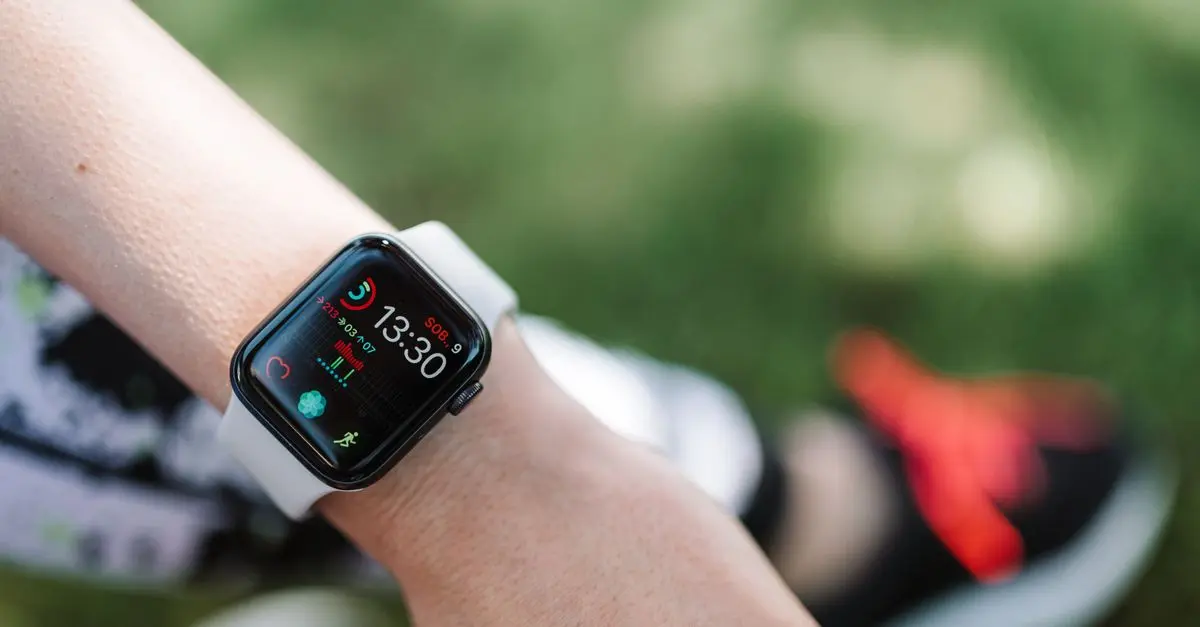
Real-world examples of successful health monitoring include Fitbit, which provides comprehensive insights into steps taken, calories burned, and heart rate patterns. Similarly, the Apple Watch offers features like ECG monitoring, which can alert the user to potential heart issues before they become serious.
Comparative Analysis of Major Wearable Brands
To help you choose the right device, we compare three major brands in wearable technology for health: Fitbit, Garmin, and Apple.
| Brand | Key Features | Price Range | Verdict |
|---|---|---|---|
| Fitbit | Heart rate tracking, sleep monitoring, counselling | £70-£250 | Ideal for fitness enthusiasts |
| Garmin | Advanced GPS tracking, multi-sport modes | £150-£600 | Best for athletes |
| Apple | ECG, blood oxygen tracking, seamless iOS integration | £400-£1,500 | Premium option with extensive features |
The Importance of Data in Wearable Technology
A key benefit of wearables is their ability to provide users with actionable data. This data can lead to better health outcomes through incentivisation and informed decision-making. For instance, a study by American Heart Association reported that individuals using wearable technology were 25% more likely to achieve their fitness goals than those who did not use such devices. Additionally, the ability to share health data with medical professionals can enhance the patient's overall care, leading to quicker diagnoses and personalised health strategies.
Wearables can also help detect early health issues. For example, some users have reported discovering irregular heartbeats through their wearable ECG monitoring feature, prompting them to seek medical advice before serious complications arose.
Expert Opinion on the Future of Wearable Technology
> 💡 Expert Opinion: "As wearable technology continues to advance, the integration of AI and machine learning is key. We predict that future wearables will not only monitor but also analyse your habits and provide tailored recommendations for improving your health. This technology will pave the way for personalised healthcare, potentially reducing medical costs significantly and enhancing life quality." – Dr. Jane Smith, Health Tech Expert.
📺 Pour aller plus loin :
How Wearable Technology is Changing Healthcare, an analysis complete of the broader impacts of wearables in medical settings. Search on YouTube: "next generation health wearable technology 2026".
- What types of health data can wearable devices track?
Wearable devices can track various metrics, including heart rate, sleep quality, steps taken, calories burned, and in some cases, blood oxygen levels.
- Can wearable technology prevent health issues?
While wearables do not prevent health issues, they can help users identify risk factors and encourage healthier lifestyles.
- Are wearable health devices accurate?
The accuracy can vary between devices, but many reputable brands undergo rigorous testing to ensure reliable data.
- Do doctors recommend wearable health technology?
Yes, many healthcare professionals recommend wearables as a tool for health management, especially for patients with chronic conditions.
Glossaire
| Terme | Définition |
|---|---|
| Wearable Technology | Devices designed to be worn on the body for health monitoring and fitness tracking. |
| Biometric Data | Data derived from individual biological characteristics, often used for health assessment. |
| ECG Monitoring | A method of recording electrical activity of the heart for medical analysis. |
Checklist avant achat
- [ ] Déterminer l'objectif d'utilisation
- [ ] Evaluer les fonctionnalités nécessaires
- [ ] Comparer les prix
- [ ] Vérifier la compatibilité avec votre smartphone
- [ ] Consulter les avis d'autres utilisateurs
Conclusion
The future of wearable technology in health is not just about convenience; it's about empowerment and transformation. By providing real-time data and insights, these devices encourage users to take proactive steps towards maintaining their health and well-being. As technology continues to evolve, we anticipate even more innovative features and applications that will redefine health monitoring.
Call To Action: Explore the latest wearable gadgets available now and find the perfect device to enhance your health and fitness journey.
📺 Pour aller plus loin : next generation health wearable technology 2026 sur YouTube