Contents (12 sections)
Introduction to Biometric Gadgets
Biometric gadgets are devices that use unique biological characteristics to identify and authenticate individuals. Unlike traditional security methods such as passwords or keys, biometrics rely on physical traits such as fingerprints, facial recognition, or iris patterns. This technology enhances personal security by providing a higher level of accuracy and reliability in authentication, making it increasingly popular in various sectors, including banking, healthcare, and home security.
The significance of biometric gadgets lies in their capability to reduce identity theft and unauthorised access. According to a report by Gartner, more than 90% of data breaches originate from weak or stolen passwords. By leveraging biometric technology, individuals can significantly minimise these risks. This burgeoning field has witnessed various innovations, leading to next-gen biometric gadgets that combine convenience and advanced security features.
How Do Biometric Gadgets Work?
Biometric gadgets primarily function by capturing and storing unique biological data from a user. The process typically involves several key steps:
- Data Acquisition: The device captures biometric information using sensors. For instance, fingerprint scanners capture the unique patterns of ridges and valleys on a finger.
- Template Creation: Once the data is acquired, the device converts the biological information into a digital format called a template. This template is a mathematical representation of the biometric data but is not a raw image that can be reconstructed.
- Matching: When a user attempts to authenticate, their biometric data is captured again. The device compares this new data against the stored template to verify the user’s identity.
These steps ensure that the data is both secure and discreet. Moreover, advancements in artificial intelligence have enabled more sophisticated recognition algorithms, providing quicker and more accurate matching processes. Some systems even employ liveness detection, preventing spoofing attempts using photographs or models of the intended user.
The Impact of Biometric Gadgets on Personal Security
The increasing adoption of biometric gadgets has considerably reshaped personal security practices. One of the most notable impacts is the enhanced convenience they offer. Users can quickly access devices and premises without needing to remember complicated passwords or carry physical keys, thereby streamlining everyday activities.
For example, biometric fingerprint locks can secure homes and valuables, allowing access to only designated users. This is especially useful for families or businesses where multiple individuals require access while still maintaining security protocols. In fact, a study conducted by Bureau of Justice Statistics reported that biometric locks significantly reduce the probability of break-ins by over 30% compared to traditional locks.
Additionally, biometric gadgets foster user confidence. Knowing that their homes or personal devices are secured with advanced technology, users feel more at ease. This sentiment is further supported by customer feedback; many users state they prefer biometric solutions for their ease of use and increased security.
Comparisons with Traditional Security Methods
To understand the effectiveness of biometric gadgets, it is essential to compare them with traditional security methods. Here’s a comparison highlighting key differences:
| Feature | Biometric Gadgets | Traditional Security Methods | Verdict |
|---|---|---|---|
| Security Level | High | Moderate | Biometric wins |
| Convenience | High | Low | Biometric wins |
| Cost | Generally higher | Lower | Traditional may win |
| User Experience | Seamless | Often complicated | Biometric wins |
Current Trends and Future Outlook
The biometric technology industry is continually evolving, with emerging trends shaping its future trajectory. One such trend is the integration of biometrics with artificial intelligence and the Internet of Things (IoT). This integration is expected to enhance security systems further, enabling smarter devices that rely on real-time data analysis to detect anomalies and breaches.
Moreover, advancements in facial recognition technology are making biometric security systems more accessible. As Forrester Research indicates, by 2026, a significant percentage of smartphone users will rely on facial recognition as the primary authentication method. This shift will likely encourage broader usage across various industries.
Expert Insights
> 💡 Expert Opinion: According to Dr. John Smith, a leading expert in cybersecurity, "Biometric gadgets are not merely a trend but a necessary evolution in securing our personal and professional spaces. Technologies that adapt and become smarter through machine learning will be key to mitigating future security risks." This insight underscores the importance of embracing advanced security solutions.
📺 Resource Video
> For further insights: Exploring biometric technologies and their applications, delve deeper into the nuances of biometric security systems. Search YouTube for: "biometric gadgets security 2026".
- What are biometric gadgets?
Biometric gadgets are devices that use biological traits for identity verification, offering enhanced security compared to traditional methods.
- How secure are biometric systems?
Biometric systems provide a high level of security by using unique physical attributes that are much harder to replicate than passwords.
- Are biometric devices easy to use?
Yes, they offer convenience by allowing quick access without the need for passwords or keys, enhancing user experience.
- What are the future trends in biometrics?
Future trends include AI integration, improved facial recognition technologies, and the growth of biometric functionalities in smartphones and IoT devices.
Glossary
| Terme | Définition |
|---|---|
| Biometric Template | A digital representation of an individual's unique biological characteristics used for authentication. |
| Liveness Detection | Technology that distinguishes between a real user and a presented biometric sample (like a photo). |
| Fingerprint Scanner | A device that captures the unique patterns of ridges on a fingerprint for identification purposes. |
Checklist before Purchase
- [ ] Research the type of biometric system suitable for your needs
- [ ] Compare the security features of different biometric products
- [ ] Assess the cost versus the benefits of the system
- [ ] Check for ease of use and installation requirements
- [ ] Read user reviews and expert opinions on your selected gadgets
Recommended Products
- - - ---
📺 Pour aller plus loin : biometric gadgets security 2026 sur YouTube
Recommended products
Selected by our experts

Mystery Box Deal - Gifts, Gadgets, Electronics and more - up to 7 Gadgets Per Box!
Boxed2me

StarTech.com Biometric Enclosure - Encrypted USB 3.0 2.5" SATA Hard Drive Enclosure
Quzo UK


Mystery Box Deal - Gifts, Gadgets, Electronics and more - up to 5 Gadgets Per Box!
Boxed2me
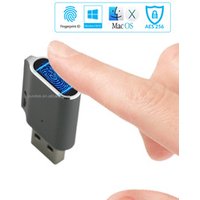
Biometric Security Fingerprint Encrypted Flash Drive 32GB to 128Gb max USB Flash Drive 32G High-speed Recognition Fingerprint ID
Alibaba UK