Contents (12 sections)
In recent years, smart home technology has rapidly evolved, enabling homeowners to enhance their living experience. In 2026, we see an even greater influence of technology in our daily lives, with emerging smart home trends that are set to redefine how we interact with our homes. This article explores the significant trends to watch, providing insights and examples to help consumers navigate the expanding smart home landscape.
1. Enhanced Interoperability
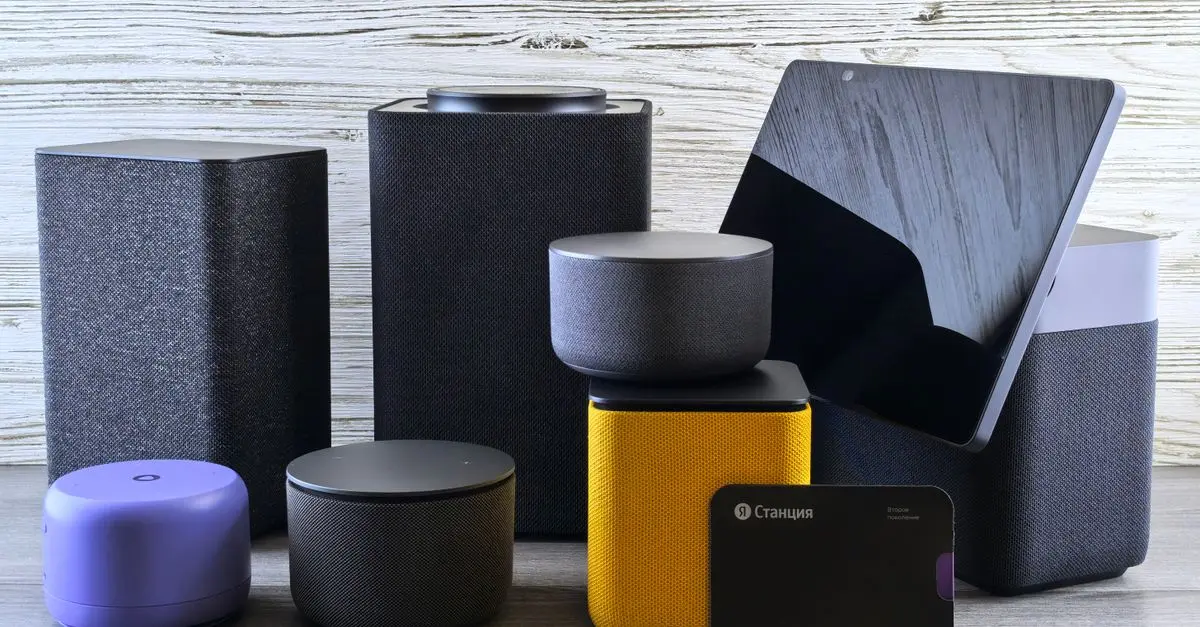
One of the most crucial trends in 2026 is the push for enhanced interoperability between various smart devices. As more homes adopt smart technologies, the lack of communication between different devices can lead to frustrations for users. In response, manufacturers are increasingly focusing on creating ecosystems where devices from various brands can work seamlessly together.
For example, major players like Amazon, Google, and Apple are enhancing their platforms to support a wider range of devices, allowing users to control everything from smart thermostats to security cameras through a single interface. A recent survey indicates that 75% of smart home device owners prefer systems that can integrate with other brands, reflecting the demand for improved interoperability.
💡 Expert Opinion: "Interoperability is essential not just for convenience but for enhancing the overall smart home experience. As more homes embrace connected living, solutions that facilitate cross-brand communication will dominate the market." — Tech Analyst
2. AI-Driven Automation
Artificial intelligence (AI) continues to transform smart home technology, and in 2026, we anticipate that AI-driven automation will become more prevalent. Smart home devices are now capable of learning user patterns and habits, allowing them to automate tasks more intelligently.
For instance, smart lighting systems can adjust based on the time of day and user preferences, reducing energy consumption by up to 30%. Home security systems equipped with AI algorithms can analyse the behaviour of individuals on the property, increasing the accuracy of threat detection significantly. According to Gartner, over 50% of households are expected to adopt AI-driven automation within the next year. This trend not only enhances comfort but also improves home security and energy efficiency.
3. Sustainable Smart Home Solutions
In 2026, sustainability remains at the forefront of many consumers' minds, and the demand for eco-friendly smart home solutions is rising sharply. From energy-efficient appliances to sustainable building materials, homeowners are increasingly choosing products that minimise environmental impact.
For instance, companies like Nest and Philips Hue are designing products that not only offer energy savings but also promote eco-friendliness, such as smart thermostats that provide data on energy consumption and recommendations for improvement. A report by UFC-Que Choisir found that eco-friendly smart home devices are predicted to grow by 20% in the upcoming year. As consumers lean into sustainable practices, the market for green technology will become more competitive.
4. Voice Control Integration
Voice control technology is expected to penetrate deeper into smart home functionalities in 2026. Current advancements make it easier for users to interact with their devices through the use of natural language processing. This trend simplifies user engagement and enhances accessibility for all age groups.
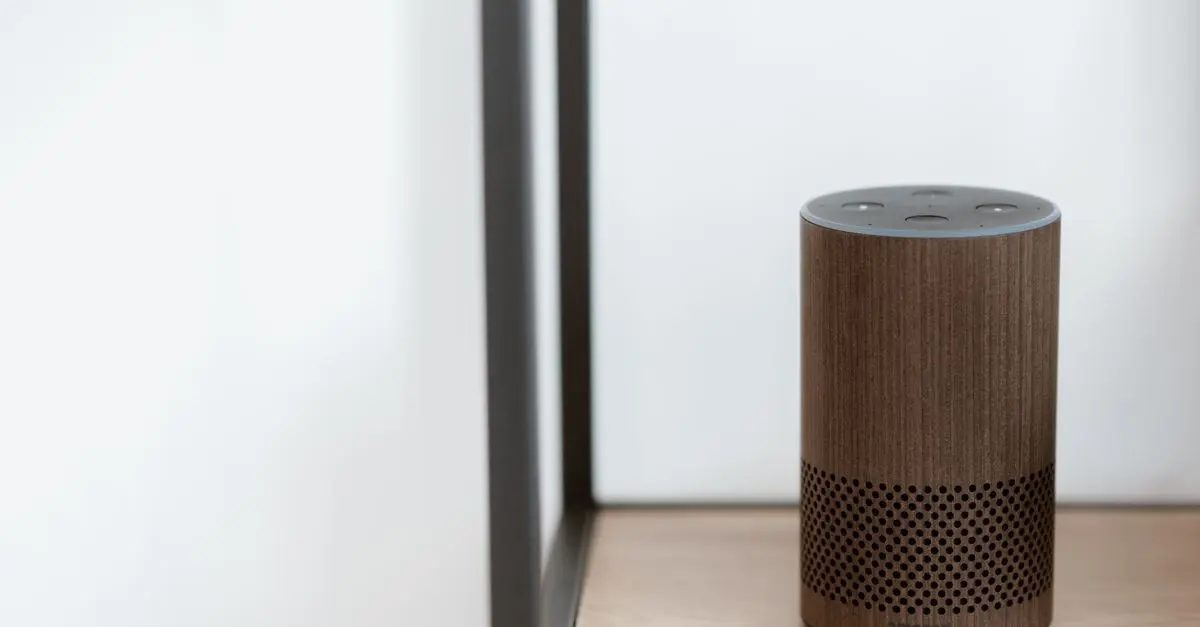
With devices such as Amazon Echo and Google Nest Hub, users can manage tasks like adjusting the thermostat, turning on the lights, or even playing music, all with simple voice commands. According to Statista, the global voice recognition market is projected to reach £27 billion by 2026, emphasising the increasing reliance on voice control in smart homes.
5. Rise of Health-Oriented Gadgets
Health and wellness are becoming integral components within the smart home ecosystem. In 2026, smart health devices are predicted to play a significant role in home management. Products such as smart mirrors, air quality monitors, and connected wearables can provide real-time health metrics and notify users about potential health risks in their environment.
For example, smart air purifiers can monitor air quality in real-time and adjust their functionality accordingly, creating a healthier living space. A survey conducted by Mintel indicates that nearly 60% of consumers are interested in integrating health-oriented gadgets into their homes. As more people become health-conscious, this segment of the smart home market will continue to expand.
6. Increased Focus on Cybersecurity
As smart home adoption grows, so does the need for robust cybersecurity measures. In 2026, consumers are more aware of the potential risks and vulnerabilities associated with connected devices. Manufacturers are responding by implementing stricter security protocols and offering security features as part of their product offerings.
Security companies are emerging with solutions specifically designed for smart homes, including monitoring systems that protect against hacking attempts. According to a report by ABI Research, nearly 30% of smart home users stated they would switch brands if their current products are considered insecure. This highlights the growing consumer demand for reliable security in smart home technology.
7. Customizable and Personalised Experiences
Personalisation is a key trend influencing smart home devices in 2026. Homeowners desire solutions that cater to their individual preferences and lifestyles. This trend is leading to products that can be customised, from smart speakers that adapt to user preferences for music and entertainment to security systems that can programme settings based on the occupants' daily routines.
Brands like Samsung and LG are working on improving user interfaces to allow greater customisation options. With advancements in machine learning, devices can offer experiences tailored to user needs, making smart home technology more intuitive and user-friendly.
💡 Expert Opinion: "Personalised experiences not only improve satisfaction but also increase user engagement with smart technologies over time. This is crucial for building long-term customer loyalty." — Home Automation Expert
📺 Resource Video
For further insights: Latest Innovations in Smart Home Technologies, an in-depth analysis of the emerging trends in smart home devices. Search on YouTube: "2026 smart home technology trends".
Checklist before purchase
- [ ] Determine interoperability with existing devices
- [ ] Check for AI-driven features for automation
- [ ] Evaluate energy efficiency ratings
- [ ] Assess cybersecurity measures
- [ ] Explore personalisation options available
Glossary
| Terme | Définition |
|---|---|
| Interopérabilité | Capacité des dispositifs à communiquer et fonctionner ensemble. |
| Automatisation | Utilisation de technologies pour effectuer des tâches sans intervention humaine. |
| Durabilité | Pratiques visant à réduire les impacts environnementaux des produits et services. |
---
📺 Pour aller plus loin : 2026 smart home technology trends sur YouTube