Contents (10 sections)
Smart devices have rapidly evolved, becoming integral to our daily lives. In 2026, the innovations in this technology have surpassed expectations, offering enhanced functionality and improved user experience. This listicle explores the top five innovations in next generation smart devices, providing insights into their features and benefits.
1. Smart Home Automation
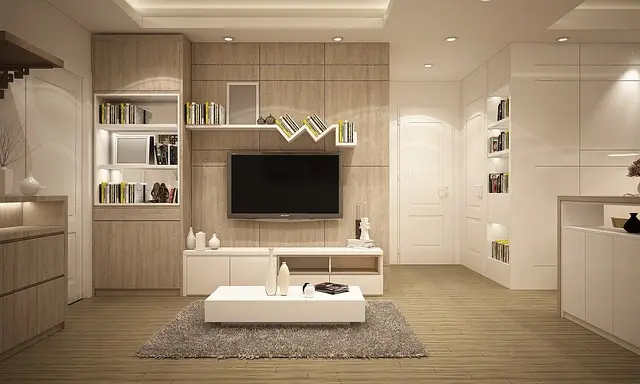
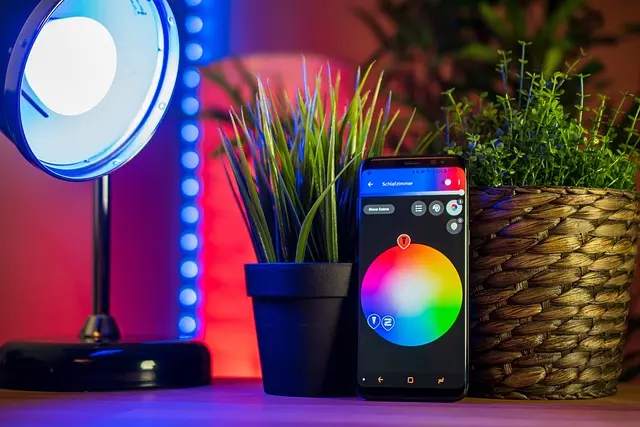
Smart home automation has revolutionised the way we interact with our living spaces. Devices such as smart thermostats, lighting systems, and security cameras allow for seamless control from smartphones or voice commands. According to UFC-Que Choisir, the home automation market has seen a growth of 25% from the previous year, indicative of consumer interest in smart technology that offers convenience and energy savings. Users can now pre-program heating settings based on their daily routines, significantly reducing energy bills whilst maintaining comfort. Additionally, smart security systems enable homeowners to monitor their properties remotely, ensuring peace of mind.
2. Wearable Health Tech
Wearable technology has advanced significantly, moving beyond simple fitness tracking to comprehensive health monitoring. Devices like smartwatches now monitor heart rates, sleep patterns, and even blood oxygen levels. In 2026, innovations such as continuous glucose monitors have become widely available, allowing for real-time health monitoring for those with diabetes. A report by Les Numériques states that the wearable health tech market is projected to reach €55 billion by 2027, reflecting the growing emphasis on personal health management. These devices not only provide users with critical health insights but also connect to healthcare professionals for more tailored monitoring.
3. AI-Powered Voice Assistants
AI voice assistants have become widespread in homes and mobile devices, offering more functional and intuitive interactions. With the integration of advanced machine learning algorithms, these assistants can now understand context, manage tasks, and even initiate conversations. Amazon Alexa and Google Assistant have introduced updates that allow users to control multiple smart devices with a single command. This innovation has been critical for accessibility, providing hands-free solutions for multitasking and making technology more user-friendly, particularly for the elderly and those with disabilities. Furthermore, 70% of consumers reported increased satisfaction with their smart devices when using voice interaction features according to a survey conducted by INSEE.
4. Augmented Reality Integration
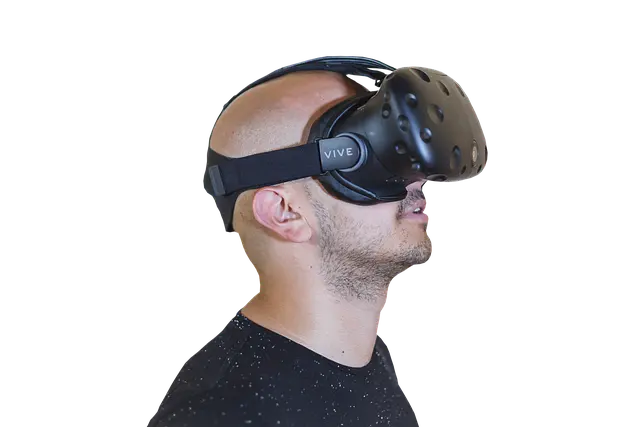
Next generation smart devices are harnessing augmented reality (AR) to improve user experiences across various applications. For example, AR glasses can overlay digital information onto the physical world, paving the way for enhanced navigation and product demonstration. Brands like IKEA employ AR technology, allowing users to visualise how furniture will look in their homes before purchase. This not only boosts customer confidence but also reduces return rates. The AR market is expected to grow by 40% annually, as reported by Statista, highlighting the demand for immersive technologies that enhance consumer engagement.
5. Advanced Battery Technologies
The efficiency and longevity of smart devices heavily rely on their power sources. Innovations in battery technology, such as solid-state batteries, promise to significantly extend device usage times while reducing charging times. These batteries not only last longer but also eliminate safety concerns associated with traditional lithium-ion batteries. Market analysts anticipate a full shift to solid-state technology in smartphones by 2026 due to customer demand for more sustainable and longer-lasting power solutions. Companies like Samsung and Sony are leading research in this field, indicating a potential shift towards eco-friendly energy sources for smart devices.
📺 Resources Video
> To explore more about the latest innovations, check out this video on YouTube: The Future of Smart Devices 2026. Search for: "top innovations in smart technology 2026".
Comparative Analysis of Innovations
| Innovation | Key Feature | Pros | Cons |
|---|---|---|---|
| Smart Home Automation | Energy savings | Improved convenience | Initial setup cost |
| Wearable Health Tech | Continuous monitoring | Real-time health data | Limited battery life |
| AI-Powered Voice Assistants | Contextual understanding | Hands-free control | Privacy concerns |
| Augmented Reality | Enhanced visual interactions | Improved consumer experience | Required hardware investments |
| Advanced Battery Tech | Longer life cycles | Increased safety | Development costs |
Glossary
| Term | Definition |
|---|---|
| Smart Home Automation | Technology systems that connect devices for seamless control. |
| Wearable Technology | Devices worn for health monitoring and fitness tracking. |
| Augmented Reality | Interactive experiences that overlay digital content in real environments. |
Checklist before Purchase
- [ ] Identify your needs (what do you want the device to do?)
- [ ] Research compatibility with existing devices.
- [ ] Check for security features.
- [ ] Compare battery technologies.
- [ ] Review customer feedback.
🧠 Quiz rapide : What is a significant benefit of wearable health tech?
- A) They are stylish.
- B) They monitor health in real-time.
- C) They only track fitness.
Réponse : B — They monitor health in real-time, providing critical insights.
In conclusion, the evolution of next generation smart devices is shaping a more efficient, convenient, and interconnected lifestyle. As these innovations continue to grow and improve, consumers can expect a future where technology seamlessly integrates into our daily lives, enhancing not just convenience but also overall well-being.
📺 Pour aller plus loin : top innovations in smart technology 2026 sur YouTube