Contents (17 sections)
The evolution of smart wearables has rapidly accelerated, with significant innovations emerging that will transform how we engage with technology daily. From fitness trackers to smart clothing, the integration of advanced sensors, AI, and connectivity has enabled wearables to provide insights and conveniences previously thought impossible. This article explores the newest advancements in 2026 that are shaping the wearable landscape.
What are Smart Wearables?
Smart wearables encompass a wide range of devices designed to be worn on the body to monitor health, enhance daily activities, and connect users to the digital world. Common examples include smartwatches, fitness bands, and even smart clothing and jewellery. The latest iterations of these devices are moving beyond basic functionalities into more advanced applications such as health monitoring, augmented reality, and even smart home control.
The importance of smart wearables lies not only in their functionality but also in their ability to improve overall well-being. According to a study by Grand View Research, the global market for wearable technology is projected to reach USD 60 billion by 2026, indicating a robust demand for these innovations. Furthermore, health-related wearables have started to integrate with telehealth services, enabling real-time health monitoring for individuals with chronic conditions.
Key Innovations in Smart Wearables for 2026
1. Advanced Health Monitoring Features
In 2026, we are witnessing the enhancement of health monitoring capabilities in smart wearables. New devices can now monitor a wider range of health metrics, such as glucose levels, hydration status, and even stress levels through advanced biometric sensors. These innovations facilitate proactive health management and support the shift towards preventative healthcare.
For instance, some wearables now come equipped with ECG functionalities that can detect irregular heart rhythms, potentially alerting users to seek medical advice before a serious condition develops. According to data from U.S. Food and Drug Administration (FDA), these features can significantly improve patient outcomes by facilitating early interventions. As health awareness continues to grow, integrating these features into everyday wearables is becoming crucial.
2. Wearable AI Personal Assistants
The integration of AI into smart wearables is enhancing personal assistance capabilities. Devices are no longer limited to performing specific tasks; they can learn user habits and preferences, providing tailored suggestions. This can range from fitness goals to dietary recommendations based on the data collected on user activity.
For example, devices can now recognise when a user is about to enter a high-stress situation and suggest relaxation techniques or breath exercises. This shift towards AI-driven wearables reinforces the trend of personalisation, making technology not just a tool but a companion that assists in daily life.
3. Smart Clothing
One of the more intriguing developments in the domain of smart wearables is the rise of smart clothing. These garments embed sensors directly into the fabric, providing real-time feedback on posture, breathing patterns, and movement efficiency. These functional fabrics can profoundly impact athletes and individuals in physical rehabilitation by collecting data that can be analysed to optimise performance or recovery.
For example, smart shirts can measure heart rate from the chest fabric, eliminating the need for additional straps. The market for smart clothing is expected to grow significantly, owing to its innovative approaches in fashion and functionality combined. According to Statista, the smart garments segment alone is projected to reach revenues of over USD 15 billion by 2026.
4. Augmented Reality and Mixed Reality Integration
Augmented and mixed reality (AR/MR) technologies are increasingly being integrated into smart wearables, particularly eyewear. These wearable displays can superimpose information directly onto the user's field of vision, transforming how individuals interact with their environment. From navigation assistance while walking to live translation features, this technology is immersing users in an enhanced experience.
Moreover, industries like retail and education are beginning to utilise AR wearables for interactive user experiences, improving engagement and learning outcomes. A survey by Frost & Sullivan reported that over 60% of consumers are interested in using AR-enhanced products to enhance their shopping experiences, showcasing a substantial market opportunity.
5. Seamless Connectivity with IoT
As the Internet of Things (IoT) expands, smart wearables are becoming integral to a cohesive technology ecosystem. Wearables are now able to communicate seamlessly with smart home devices, providing a unified user experience. For instance, users can control lighting, temperature, and security systems directly from their smartwatches.
This level of integration not only enhances convenience but also positions wearables as pivotal players in smart living environments. The ability to access and control various devices from a single wearable device simplifies complex interactions into manageable tasks, bolstering consumer adoption rates as reported by McKinsey.
| Feature | Smartwatch | Smart Band | Smart Clothing | Verdict |
|---|---|---|---|---|
| Health Tracking | ECG, Heart Rate | Basic Heart Rate | Posture Monitoring | Smartwatch leads |
| AI Capabilities | Advanced | Basic | None | Smartwatch superior |
| AR Integration | Some models | None | Emerging | Smart clothing superior |
| Control Over IoT Devices | High | Basic | Limited | Smartwatch leading |
What are smart wearables?
Smart wearables are electronic devices worn on the body that provide various functionalities including health tracking, notifications, and connectivity. They can include devices like smartwatches, fitness bands, and smart clothing.
How can smart wearables improve health?
Smart wearables monitor health metrics continuously, enabling proactive health management by identifying patterns and alerting users to potential issues through features like ECG and blood glucose monitoring.
Are smart wearables worth it?
The value of smart wearables lies in their ability to improve lifestyle choices, facilitate better health management, and enhance connectivity, making them worthwhile for many users.
What future advancements can we expect in smart wearables?
The future will likely see more personalised features, innovative designs in smart clothing, and enhanced integration with AI and IoT, creating a seamless technological ecosystem.
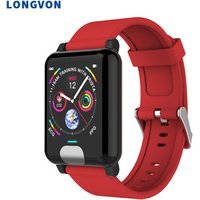
ECG GPS Smart Watch Smartwatch Smartband with ECG Wearable ECG Monitor EKG Smart Band Bracelet Watch
Alibaba UK
Color smart watch Oem Android rubber bracelet Fitness health intelligent bracelet pedometer wearable smart band
Alibaba UK

Hot Wearable Smartwatch Devices SW04 Smart Wrist Watch Electronics SIM TF Card Phone Men For Apple
Alibaba UK
Glossary
| Terme | Définition |
|---|---|
| Smart Wearables | Dispositifs électroniques portés sur le corps utilisant la technologie pour fournir des fonctionnalités variées. |
| IoT (Internet of Things) | Réseau d'objets physiques connectés à Internet, collectant et échangeant des données. |
| Augmented Reality (AR) | Technologie superposant des informations numériques sur le monde réel pour enrichir l'expérience utilisateur. |
📺 Ressource Vidéo
> 📺 Pour aller plus loin : Explore the future of smart wearables and their impact on daily life, a comprehensive analysis of the innovations in wearable technology. Recherchez sur YouTube : "smart wearables innovations 2026".
To discover practical applications and top products in this exciting field, check out our carefully selected recommendations below.
Recommended Products
- - - In conclusion, the landscape of smart wearables is evolving rapidly, bringing innovations that enhance our daily lives in significant ways. Embracing these technologies can elevate your lifestyle, providing better health insights, improved convenience, and a smarter approach to managing personal and professional tasks. Explore the possibilities and choose a smart wearable that aligns with your lifestyle today!
Word Count: 1011
📺 Pour aller plus loin : smart wearables innovations 2026 sur YouTube
Recommended products
Selected by our experts
RFID NFC Beacon Silicone Smart Wearable Wristband Bracelet Reader Fitness Tracker
Alibaba UK
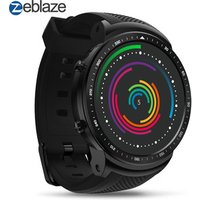
Original Smart watch Zeblaze THOR PRO WristWatch Digital Sport Player Watch for IOS Android phone Wearable Electronic Device
Alibaba UK

2019 New Smart Watch DZ09 with Camera WristWatch SIM Card Smartwatch for Android for iphone Wearable Devices
Alibaba UK

2019 Hot Sale DZ09 Smart Watch Step Count SIM Card Bluetooth Watch for Wearable Devices Mobile Watch Phones
Alibaba UK
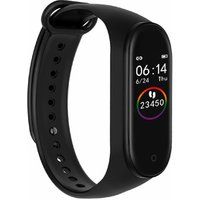
smart watch 2019 color touch screen m4 smart bracelet blood pressure fitness band Wearable device smart wristband Mi band 4
Alibaba UK

Fitbit Smart Wearable Accessories Band - Pink Silicone (FB180ABPKS)
Back to the Office