Contents (17 sections)
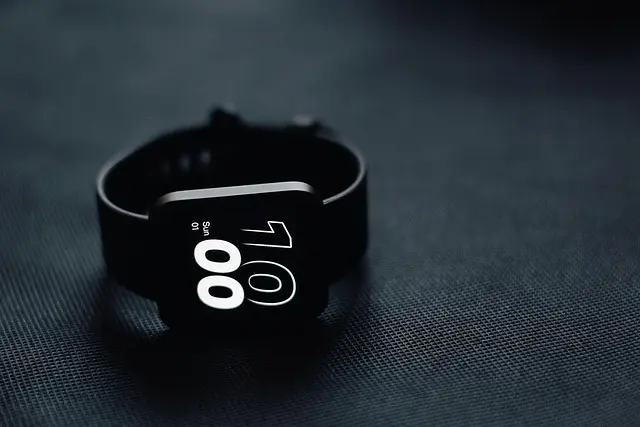
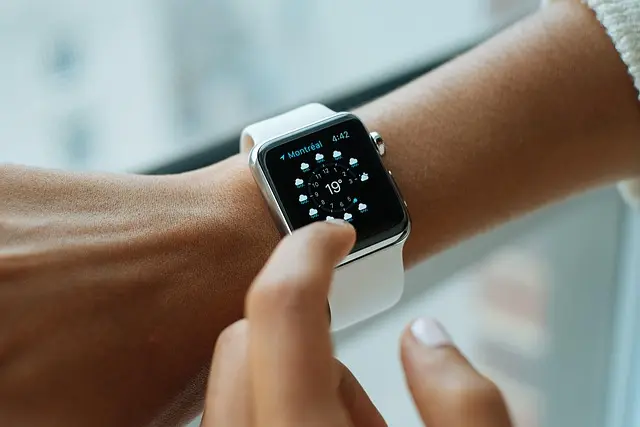
Smart wearable technologies have witnessed a remarkable evolution over the past few years, becoming integral to various aspects of our lives. From fitness trackers to smartwatches and augmented reality glasses, these devices are not only enhancing capabilities but also fundamentally changing how we interact with technology. With the rapid advancements in Artificial Intelligence (AI) and the Internet of Things (IoT), the wearables market is set to expand further, bringing innovations that can improve our health, productivity, and lifestyle.
The Definition and Context of Smart Wearable Technologies
Smart wearable technologies refer to devices worn on the body that combine functionality and connectivity. They typically feature sensors and algorithms that gather data about the user's activities, health metrics, and environment. These devices range from smartwatches and fitness trackers to smart glasses and health-monitoring patches.
The significance of smart wearables lies in their ability to provide real-time data to users. For instance, wearable fitness trackers monitor heart rate, sleep patterns, and physical activity, empowering individuals to take charge of their health. In professional settings, smart glasses can enhance productivity by providing hands-free access to information, which has proven essential for industries such as manufacturing and healthcare.
Key Trends in Smart Wearable Technologies
1. Health Monitoring Capabilities
Health monitoring is at the forefront of smart wearable technologies. Devices equipped with advanced sensors facilitate continuous health analysis. For instance, the integration of electrocardiogram (ECG) sensors in smartwatches allows for the detection of irregular heart rhythms, a feature that can potentially save lives. According to a McKinsey report, the market for wearable health technology is expected to grow to £25 billion by 2026, highlighting the increasing demand for health-centric devices.
Analyzing user data, wearables can also provide personalised health insights, such as tailored exercise recommendations, nutritional advice, and reminders for medication. This capability not only fosters user engagement but also promotes proactive health management.
2. Integration with Artificial Intelligence
AI plays a pivotal role in enhancing the functionalities of smart wearable technologies. By leveraging machine learning algorithms, these devices can learn from user behaviors and preferences, optimising their responses over time. For example, AI-enabled wearables can analyse sleep patterns to suggest improvements, enabling users to achieve better rest.
The integration of AI also opens up possibilities for predictive health analytics. By processing data from various sources, wearables can identify potential health issues before they manifest. This proactive approach is vital for conditions like diabetes and cardiovascular diseases, where early detection can significantly impact treatment outcomes.
3. Enhanced Interconnectivity and Ecosystem Integration
As smart wearable technologies evolve, their ability to connect seamlessly with other smart devices is transforming home and work environments. Wearables now interact with smartphones, smart home systems, and even smart appliances, creating a connected ecosystem.
For instance, a fitness tracker can sync with a smart refrigerator to notify users about their dietary requirements or suggest meals. This interconnectedness enhances user experience and fosters a holistic approach to wellness. As per Gartner, by 2026, over 75% of wearable device manufacturers will integrate their products with smart home systems, streamlining daily activities for users.
4. Focus on Privacy and Data Security
With the increasing use of smart wearables, concerns over privacy and data security have come to the forefront. Users are becoming increasingly aware of how their data is stored and utilised, prompting manufacturers to implement robust security measures. Encryption, anonymisation, and stringent data protection regulations are now essential components of wearable technology development.
Companies are required to adhere to guidelines such as the GDPR, which mandates customer consent before data collection. As the market expands, those who prioritise user privacy will likely gain a competitive advantage.
5. Sustainability and Eco-Friendly Innovations
Environmental concerns are reshaping the development of smart wearable technologies. In 2026, there is a notable trend towards sustainability, with manufacturers seeking eco-friendly materials and production processes. Devices are increasingly designed with sustainability in mind, incorporating recyclable components and reducing waste.
Innovations include energy-efficient designs and solar-powered wearables, enabling longer battery life while minimizing environmental impact. According to Nielsen, 50% of consumers are willing to pay more for environmentally friendly products, signalling a shift in consumer behaviour that tech companies must respond to.


Plugable Technologies USB C to HDMI Adapter Dual Monitor 4K 60Hz for Apple Mac M1/M2/M3 DisplayLink Multiple Displays for Thunderbolt Macbook or iMac
Quzo UK

Comparison of Popular Smart Wearable Devices
| Feature | Smartwatch A | Fitness Tracker B | Smart Glasses C | Verdict |
|---|---|---|---|---|
| Health Tracking Features | Yes | Limited | Yes | Smartwatch A is superior |
| Battery Life | 2 days | 7 days | 5 hours | Fitness Tracker B outlasts all |
| AI Integration | Advanced | Basic | Limited | Smartwatch A leads |
| Price | £300 | £150 | £400 | Fitness Tracker B is more economical |
FAQs About Smart Wearable Technologies
What are smart wearable technologies?
Smart wearable technologies refer to devices that are worn on the body, which collect data and provide functionalities such as health monitoring and connectivity.
How do smart wearables impact health?
Smart wearables enhance health management by providing real-time data on physical activity, heart rate, and sleep patterns, enabling users to monitor and improve their well-being.
Are smart wearables secure?
While concerns over data privacy exist, manufacturers increasingly implement advanced security measures, such as encryption and adherence to regulations like GDPR, to protect user data.
What is the future of smart wearables?
The future of smart wearables will likely focus on enhanced AI integration, sustainability, and improved connectivity with other smart devices, shaping a more connected and health-conscious society.
Glossary
| Term | Definition |
|---|---|
| Wearable Technology | Electronic devices that can be worn on the body to provide data tracking. |
| Internet of Things (IoT) | A network of interconnected devices that communicate and exchange data. |
| Artificial Intelligence (AI) | Technology that allows machines to learn and make decisions based on data. |
Checklist before purchase
- [ ] Identify health tracking needs
- [ ] Compare devices for compatibility with existing tech
- [ ] Review customer feedback on security features
- [ ] Assess device battery life
- [ ] Evaluate the design and comfort for daily wear

Plugable Technologies USB 2.0 to DVI VGA or HDMI Video Graphics Adapter for Multiple Monitors up to 1920x1080 Supports Windows 11 10 8.1 7 XP Mac and
Quzo UK

Zebra KC50 5430 2.1 GHz 39.6 cm (15.6") 1080 x 1920 pixels Touchscreen
Quzo UK

Plugable Technologies 4K DisplayPort and HDMI Dual Monitor Adapter for USB 3.0 and USB-C Compatible with Windows
Quzo UK
📺 Resource Video
Discover more about the latest innovations in wearable technology, focusing on health monitoring and AI integration. Search on YouTube: '2026 smart wearable technologies overview'.
📺 Pour aller plus loin : 2026 smart wearable technologies overview sur YouTube
Recommended products
Selected by our experts


Plugable Technologies 4K DisplayPort and HDMI Dual Monitor Adapter for USB 3.0 and USB-C Compatible with Windows
Quzo UK
Gadgets 2019 technologies inventions dual coils wireless charger stand wireless charger fast charging
Alibaba UK
Technologies for XIM Apex Keyboard and Mouse Adapter for Xbox-One for PS4 Use For Fort-nite
Alibaba UK

Cisco 350-401: Implementing Cisco Enterprise Network Core Technologies (ENCOR) (CCNP) Training Course
Learning 24/7

Plugable Technologies UD-3900Z Docking USB 3.2 Gen 1 (3.1 Gen 1) Type-C Black
Back to the Office