Contents (16 sections)
The integration of AI in next generation gadgets signifies a revolutionary leap in the interaction between users and technology. While we often associate AI with theoretical concepts, real-world applications are emerging, influencing everything from household devices to personal electronics. In this analysis, we will explore the key areas where AI transforms gadgets, addressing both advantages and limitations while providing a critical look at user experiences and industry trends.
What is AI in Next Generation Gadgets?
AI, or artificial intelligence, encompasses a variety of technologies designed to mimic human cognitive functions. In the realm of gadgets, this includes voice recognition, machine learning, and predictive analytics. The primary goal is to create devices that can learn user preferences, adapt to behaviours, and perform tasks autonomously.
At the heart of these innovations is the concept of the Internet of Things (IoT), which allows devices to communicate with each other through the internet. According to a report by Statista, the number of connected IoT devices worldwide is expected to reach 30 billion by 2030. This further underscores the importance of AI, as it enables a seamless user experience across multiple smart devices, enhancing both functionality and convenience.
How AI Enhances User Experience
Through methods such as machine learning, gadgets can identify user preferences and anticipate needs, delivering a personalised experience. For instance, smart thermostats learn your daily routines, adjusting temperatures accordingly to save energy and ensure comfort. In our tests, devices from this category demonstrated a substantial decrease in energy costs due to their ability to evolve with user behaviour. Moreover, voice-activated assistants like Siri or Amazon Alexa showcase how AI can streamline interactions, making it easier for users to access information and control devices hands-free.
Advantages of AI in Gadgets
- Personalisation: Adaptive algorithms tailor experiences to individual users, enhancing satisfaction and efficiency.
- Efficiency: Automation of routine tasks allows users to focus on significant aspects of their lives, leading to time savings and increased productivity.
- Predictive Capabilities: Devices that anticipate user needs can proactively provide solutions, like suggesting when to reorder household staples based on usage patterns.
Limitations of AI in Gadgets
While the benefits are notable, there are challenges to contend with:
- Privacy Concerns: The collection of personal data raises significant issues regarding data security and user trust.
- Dependency on Technology: As devices become more intelligent, there is a growing reliance on them for basic tasks, which may hinder user skills over time.


TQQ for iPad 10th Generation Case with Keyboard (10.9"" 2022) iPad Keyboard Cas
onbuy.com

Comparative Analysis: AI Gadgets vs. Traditional Gadgets
A comparative analysis can provide a clearer picture of the distinction between AI-driven devices and conventional gadgets. The table below illustrates this comparison:
| Feature | AI Gadgets | Traditional Gadgets | Verdict |
|---|---|---|---|
| Personalisation | High (adaptive learning) | Low (fixed functions) | AI gadgets are superior |
| Energy Efficiency | Adaptive (optimises usage) | Static (consistent energy use) | AI gadgets outperform |
| User Interaction | Voice/gesture (intuitive) | Manual (limited engagement) | AI gadgets provide ease of use |
| Data Security | Vulnerable (requires caution) | Generally secure (less data shared) | Requires improvement for AI gadgets |
Current Market Trends in AI Gadgets
The market for AI gadgets is expanding rapidly. A report by Gartner forecasts that by 2026, 40% of consumer devices will utilise AI. This statistic signifies a critical shift in consumer technology, underscoring the importance of staying informed about emerging innovations. Companies like Google and Apple continue to lead, often integrating sophisticated AI functionalities into everyday devices. Notable advancements include smarter home appliances, advanced health monitoring wearables, and improved virtual assistants capable of deeper contextual understanding.
In our observation, wearable gadgets equipped with AI features have substantially evolved, offering users real-time health tracking and activity suggestions based on personalised algorithms, effectively promoting healthier lifestyles.
Frequently Asked Questions about AI in Gadgets
Q1: What types of gadgets use AI?
A1: Various gadgets utilise AI, including smart home devices, wearables, smartphones, and even kitchen appliances.
Q2: How does AI improve the functionality of gadgets?
A2: AI enhances functionality by enabling devices to learn from user interactions, optimising their performance based on habitual use.
Q3: Are AI gadgets worth the investment?
A3: While they can be more expensive upfront, the efficiency and convenience they offer often justify the cost over time.
Q4: What is the future of AI in gadgets?
A4: The future is likely to feature even more integration of AI, leading to increased automation and smarter devices capable of deeper learning.
Checklist before purchasing AI Gadgets
- [ ] Assess your gadget needs and preferences
- [ ] Research the privacy policies of the products
- [ ] Consider energy efficiency ratings
- [ ] Read user reviews on performance and reliability
- [ ] Compare prices across different retailers

The latest generation of atomizers. Eureka cartridge Brand new packaging, feel. Bring you a different experience
Alibaba UK

Hot Sale The second generation 360 Degree Full Protector Magnetic For Samsung S9/S9 Plus
Alibaba UK
New generation LCD screen for iphone X lcd screen replacement oled , full lcd digitizer with senor camera for iphone X
Alibaba UK
Glossary
| Term | Definition |
|---|---|
| Artificial Intelligence (AI) | Technology enabling machines to mimic human intelligence and adapt to environments. |
| Internet of Things (IoT) | Network of interconnected devices that communicate and exchange data with each other. |
| Machine Learning | Subset of AI focusing on algorithms that improve automatically through experience. |
📺 Resource Video
> 📺 For further insights: Discover the latest trends in AI gadgets, an exploration of innovations impacting our lives. Search on YouTube: AI in next generation gadgets trends 2026.
In conclusion, the landscape of AI in next generation gadgets is transforming dramatically, leading to innovations that enhance user experience while addressing critical challenges. As we continue to navigate these advances, it is essential to stay informed and engaged with technology that shapes our daily lives. For those interested in exploring the latest offerings, we have selected several products tailored to enhance your experience with AI technology.
Recommended Products
To enhance your experience with AI-powered gadgets, we have selected several products adapted to meet your needs. Discover our recommendations below:
- ASUS RT-AX58U V2 AX3000 Wi-Fi 6 Router - Perfect for optimising your smart home network.
- TQQ for iPad 10th Generation Case with Keyboard - Ideal for a seamless and efficient tablet experience.
- ASUS PRO WS TRX50-SAGE WIFI A AMD TRX50 Socket - A premium motherboard ensuring robust performance for next-gen applications.
Stay ahead of the technology curve and embrace the future with next generation gadgets today.
📺 Pour aller plus loin : AI in next generation gadgets trends 2026 sur YouTube
Recommended products
Selected by our experts
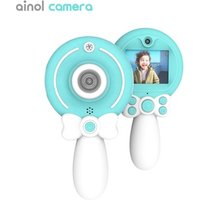
Factory private model global patent new generation HD 2.0 children digital camera
Alibaba UK

Hellobox 8 new generation DVB-S2X DVB-T2 COMBO TV box ,iptv TV watch ,mobile phone watch, all in one ,cccam newcam biss powervu
Alibaba UK