Contents (16 sections)
In recent years, the technology landscape has been rapidly evolving, with smart wearables innovations leading the charge. These devices are not merely gadgets but have become integral to our daily lives, providing convenience, health insights, and enhanced connectivity. As we explore the innovations expected in 2026, we bridge technology with user experience, while addressing the emerging trends that have the potential to redefine how we interact with the world.
1. Advanced Health Monitoring
The evolution of health monitoring through smart wearables is witnessing unprecedented advancements in 2026. Devices now incorporate sophisticated sensors capable of tracking an array of health metrics in real-time. For instance, wearables equipped with Optical Coherence Tomography (OCT) technology can monitor eye health, offering users critical insights into conditions such as glaucoma or macular degeneration before noticeable symptoms arise.
According to a report by Gartner (2025), the global market for health management wearables is expected to reach $18 billion by the end of 2026, driven by an increasing awareness of personal health and wellness. As a result, smart wearables will likely expand their functionalities to include continuous glucose monitoring and even blood alcohol level tracking for those monitoring sobriety.
💡 Avis d'expert: Users have reported that wearables providing instant feedback on their health metrics encourage healthier lifestyle choices and proactive health management. Given the growing interest in personal health, reliance on advanced monitoring systems is set to increase.
2. Integration with Smart Home Devices
A significant trend in smart wearables innovations is their seamless integration with smart home technologies. In 2026, expect wearables to function as universal remote controls for various smart devices, such as lights, thermostats, and security systems. By simply using an app or voice commands through their wearables, users can manage their environments with ease.
The rise of the Internet of Things (IoT) means that homes are becoming smarter, and wearables are at the centre of this evolution. A report from Statista indicates that the number of connected IoT devices is projected to reach 30 billion by 2026, hinting that smart wearables will increasingly serve as the hub for managing these devices.
This trend not only elevates user convenience but also enhances energy efficiency. For example, smart wearables could adjust heating or cooling in a home based on individual user preferences or locations. Additionally, integrating personal security features for wearables can ensure safety while managing home systems remotely.
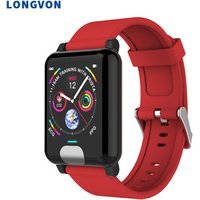
ECG GPS Smart Watch Smartwatch Smartband with ECG Wearable ECG Monitor EKG Smart Band Bracelet Watch
Alibaba UK
Sponsored by Lopardi

Hot Wearable Smartwatch Devices SW04 Smart Wrist Watch Electronics SIM TF Card Phone Men For Apple
Alibaba UK
Sponsored by Lopardi

2019 high quality New Bluetooth Smart Watch electronics wearable devices Smartwatch for Android Phone S226
Alibaba UK
Sponsored by Lopardi
3. Augmented Reality (AR) Enhancements
The incorporation of augmented reality (AR) into smart wearables is another transformative trend we can anticipate in 2026. Smart glasses and headsets will not only enable users to access information quickly but also enhance their interaction with the physical world. For instance, layered information over real-world environments can help in navigation or provide instant feedback while engaging in sports activities, enriching the overall user experience.
According to Forrester Research (2025), the AR wearable market is set to increase significantly, with an expected user base of 50 million by the end of 2026. With games, applications, and educational tools utilising AR, we can expect growth across sectors from entertainment to training, demonstrating the versatile applications of AR technology in wearables.
💡 Avis d'expert: Early adopters of AR features in wearables have reported increased engagement, particularly in interactive scenarios like gaming or sports training, signalling a strong potential for future developments.
4. Enhanced Data Privacy and Security
With the rise of smart wearables, concerns regarding data privacy and security have become paramount. By 2026, we anticipate significant advancements in encryption technologies and security protocols tailored specifically for wearable devices. This development aims to protect user data not just from malicious attacks but also to ensure that personal health data is managed compliantly.
McKinsey reports that cyberattacks on health data are projected to increase by 30% year-on-year through 2026. Consequently, manufacturers are likely prioritising robust privacy measures and transparent data management policies to gain consumer trust. Expect wearables to offer advanced biometric security systems, such as facial recognition and secure cloud-based storage for health information, enhancing user safety.
5. Sustainable Wearable Materials
Sustainability is rapidly becoming a leading priority in technology, including the world of smart wearables. In 2026, innovations will be driven by materials that are not only high-performing but also biodegradable or recyclable. This approach reflects a growing awareness of environmental impact and consumer demand for eco-friendly products.
Brands that pivot towards sustainable materials are expected to tap into an expanding market, as studies indicate that 75% of consumers prefer environmentally friendly products. Initiatives such as utilising recycled plastics and organic textiles in wearables will likely resonate strongly with eco-conscious buyers. Moreover, companies adopting sustainable practices could gain competitive advantages in the crowded wearables market.
📺 Ressource Vidéo
> For more insights: See how wearable technology is changing our lives, a complete analysis of emerging trends. Search YouTube: smart wearables innovations 2026.
6. Personalisation and AI Integration
Artificial Intelligence (AI) will be highly integrated into smart wearable technology by 2026. Personalisation through AI allows wearables to learn user behaviours, preferences, and needs, tailoring responses and recommendations accordingly. For instance, a smartwatch could adjust fitness goals based on past performance and current health metrics.
AI-driven insights provide actionable data, encouraging users to achieve their health objectives, making wearables not just devices but personal trainers in the palm of your hand. According to IDC, by 2026, nearly 50% of wearable devices will offer AI capabilities, making this innovation crucial for user engagement.
Comparison of Key Wearable Technologies
| Feature | Smartwatch | Fitness Tracker | Augmented Reality Glasses | Health Monitoring Device |
|---|---|---|---|---|
| Health Metrics | Heart rate, sleep, steps | Steps, calorie count, heart rate | Custom health insights | Comprehensive health metrics |
| Integration with Apps | High | Moderate | Moderate to High | Low to Moderate |
| Battery Life | 1-2 days | 5-7 days | 1 day | 1-3 days |
| AR Capability | No | No | Yes | No |
| Artificial Intelligence | Yes | Limited | Yes | No |
| Price Range | £150-£700 | £30-£200 | £300-£1,500 | £50-£300 |
Frequently Asked Questions (FAQ)
What are smart wearables?
Smart wearables are electronic devices worn on the body that deliver functionalities related to health, fitness, communication, and navigation.
How have smart wearables evolved?
Smart wearables have progressed from basic fitness tracking to sophisticated health monitoring, personalisation, and IoT integration.
Are there privacy concerns with smart wearables?
Yes, data privacy concerns are significant; thus, advancements in security measures are crucial to protect user information.
What is the future of smart wearables?
The future includes enhanced health monitoring, seamless integration with other smart devices, sustainable materials, and AI capabilities.
Glossary
| Terme | Définition |
|---|---|
| Internet of Things | Un système de dispositifs interconnectés qui peuvent échanger des données. |
| Augmented Reality | Une technologie qui superpose des informations numériques au monde réel. |
| Artificial Intelligence | Simulation de l'intelligence humaine par des systèmes informatiques. |
Checklist avant achat
- [ ] Déterminer les fonctionnalités essentielles désirées.
- [ ] Évaluer la durée de vie de la batterie.
- [ ] Considérer la compatibilité avec d'autres appareils.
- [ ] Vérifier les options de personnalisation disponibles.
- [ ] Examiner les critiques et évaluations des utilisateurs.
To conclude, as we look ahead into 2026, the realm of smart wearables is rife with innovations that promise to enrich user experiences and enhance connectivity. We encourage you to explore various recommended products compatible with these trends to find a device that suits your needs and lifestyle.
📺 Pour aller plus loin : smart wearables innovations 2026 sur YouTube
Recommended products
Selected by our experts
ECG GPS Smart Watch Smartwatch Smartband with ECG Wearable ECG Monitor EKG Smart Band Bracelet Watch
Alibaba UK
This smartwatch offers ECG monitoring, making it perfect for health-conscious users looking to track their heart health.
Sponsored by Lopardi
Hot Wearable Smartwatch Devices SW04 Smart Wrist Watch Electronics SIM TF Card Phone Men For Apple
Alibaba UK
An excellent choice for those needing a multifunctional device that can also facilitate communication and fitness tracking.
Sponsored by Lopardi
2019 high quality New Bluetooth Smart Watch electronics wearable devices Smartwatch for Android Phone S226
Alibaba UK
A versatile wearable that combines fitness tracking with smart notifications, ideal for busy lifestyles.
Sponsored by Lopardi