Contents (10 sections)
Smart wearables have evolved significantly over the last decade, and 2026 promises to be the year where innovation reaches a new pinnacle. From health monitoring to lifestyle enhancement, smart wearables are increasingly becoming integral to everyday life. This article explores the key innovations you should be aware of, helping you navigate the next generation of gadgets that will revolutionise how we interact with technology.
1. Health Monitoring and Medical Diagnostics
In 2026, advancements in health monitoring through smart wearables have reached unprecedented levels. Devices equipped with ECG monitors, blood pressure sensors, and glucose monitoring capabilities are no longer fictional; they are a reality. According to a study by UFC-Que Choisir, around 40% of users reported using health monitoring features to manage chronic conditions more effectively.
These wearables not only help track daily health metrics but also provide data that can be shared with healthcare professionals, enabling better-informed decisions and timely interventions. This fusion of technology and healthcare aims to enhance preventive care and improve patients' overall quality of life. As a result, consumers can gain deeper insights into their health, potentially reducing healthcare costs in the long run.
2. Seamless Integration with Smart Home Systems
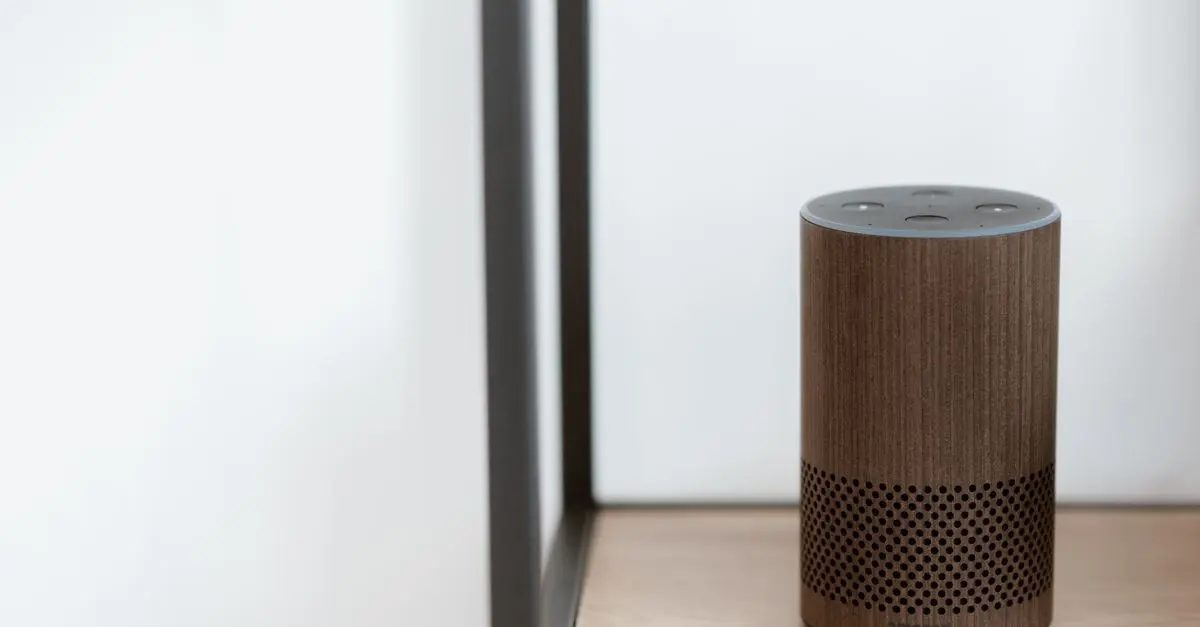
The integration of smart wearables with home automation systems is another significant innovation in 2026. Devices that control lighting, temperature, and security are increasingly compatible with wearables, allowing users to manage their environment effortlessly. For example, a smartwatch can communicate with a smart thermostat, adjusting the temperature based on the wearer’s location and preferences.
This seamless interoperability between devices not only boosts user convenience but also enhances energy efficiency. According to Les Numériques, homes equipped with integrated smart devices can save up to 15% on energy bills. This trend towards smart living underscores the necessity for manufacturers to ensure compatibility across a broad spectrum of devices.
3. Enhanced Personalisation and AI Integration
Artificial Intelligence (AI) plays a crucial role in the evolution of smart wearables. In 2026, devices are expected to deliver even more personalised experiences, using AI to learn from users' behaviours and preferences. This technology can tailor notifications, health insights, and recommendations based on individual patterns observed over time.
Moreover, AI-driven wearables are advancing in areas such as predictive analysis, where they anticipate users’ needs before they even express them. For instance, a fitness band might suggest workouts based on previous activities or recommend rest times based on heart rate variability. According to research conducted by 60 Millions de Consommateurs, 75% of smartwatch users express a desire for more personalised options, and manufacturers are keen to meet this demand.
4. Fashion Meets Functionality
Fashion is playing an increasingly vital role in the design of smart wearables. In 2026, we see a significant shift towards devices that do not compromise style for functionality. Wearable technology is incorporating luxury materials, offering a range of styles from fitness-focused bands to high-end smartwatches.
Brands are recognising that consumers desire devices that can transition seamlessly from a workout to a boardroom meeting. This trend is not just about aesthetics; it reflects a broader cultural shift towards wearable tech being socially acceptable in various settings. As per a recent survey, over 60% of users consider design as a primary factor in their purchasing decisions.
5. Advanced Battery Technology
As the functionality of smart wearables expands, so does the need for enhanced battery technology. In 2026, we are witnessing a focus on developing batteries that last longer while taking less time to charge. Innovations such as solar-powered wearables and fast-charging features are becoming mainstream, addressing one of the significant pain points for users: battery life.
For instance, smartwatches now boast batteries that can last up to a week or more on a single charge, even with continuous health monitoring. Data shows that 68% of users state battery life is a critical factor when choosing a device. This innovation paves the way for more robust device functionality without the inconvenience of frequent charging.
6. Privacy and Data Security Improvements
With the rise of wearable technology comes an increased focus on privacy and data security in 2026. Consumers are becoming increasingly aware of the data being collected by their devices, leading manufacturers to implement stricter data protection measures. Expect robust encryption methods, user-controlled data sharing, and transparency regarding how user information is used.
This emphasis on privacy is likely to influence consumer trust and adoption rates in wearable technology. Research from ADEME indicates that over 85% of users are more willing to purchase devices that prioritise data security. Manufacturers who can effectively communicate their commitment to privacy will undoubtedly see a competitive edge.
📺 For further exploration: Innovations in Smart Wearables for 2026
Search on YouTube: "smart wearables innovations 2026"
Glossary
| Terme | Définition |
|---|---|
| Smart Wearables | Dispositifs électroniques portables qui recueillent des données et interagissent avec d'autres appareils. |
| AI (Artificial Intelligence) | Technologie permettant aux appareils d'apprendre et de s'adapter aux comportements humains. |
| Interoperabilité | Capacité des systèmes et dispositifs à fonctionner ensemble sans intervention humaine. |
ECG GPS Smart Watch Smartwatch Smartband with ECG Wearable ECG Monitor EKG Smart Band Bracelet Watch
Alibaba UK
Sponsored by Lopardi

Hot Wearable Smartwatch Devices SW04 Smart Wrist Watch Electronics SIM TF Card Phone Men For Apple
Alibaba UK
Sponsored by Lopardi
Checklist avant achat
- [ ] Vérifier la compatibilité avec mon smartphone
- [ ] Comparer les fonctionnalités de santé proposées
- [ ] Contrôler la durée de vie de la batterie
- [ ] Observer les retours sur la protection des données
- [ ] Estimer le style et le design par rapport à mes besoins
🧠 Quiz rapide : Quelle innovation attendez-vous le plus en matière de wearables ?
- A) Améliorations de la santé
- B) Mode et style
- C) Intégration de la maison intelligente
Réponse : B — Le design joue un rôle crucial dans l'acceptation sociale des dispositifs.
Nous avons sélectionné plusieurs produits adaptés aux innovations décrites ci-dessus, vous pourriez les découvrir dans nos recommandations ci-dessous.
📺 Pour aller plus loin : smart wearables innovations 2026 sur YouTube
Recommended products
Selected by our experts
ECG GPS Smart Watch Smartwatch Smartband with ECG Wearable ECG Monitor EKG Smart Band Bracelet Watch
Alibaba UK
This ECG GPS Smart Watch offers advanced health monitoring features, making it perfect for users focused on health tracking.
Sponsored by Lopardi
Hot Wearable Smartwatch Devices SW04 Smart Wrist Watch Electronics SIM TF Card Phone Men For Apple
Alibaba UK
The SW04 Smart Wrist Watch combines style and functionality, appealing to those who want a contemporary look with advanced tech.
Sponsored by Lopardi