Contents (10 sections)
In the realm of technology, smart wearables are poised to redefine personal health, fitness, and connectivity. These devices, equipped with advanced sensors and IoT capabilities, not only track our physical activities but also monitor health parameters and enhance our daily interactions. As we move through 2026, numerous innovations are set to surf on the technological waves, bringing efficiency and aesthetic appeal to the forefront.
1. Integration with Artificial Intelligence (AI)
As automation and machine learning continue to evolve, the fusion of AI with smart wearables offers unprecedented potential. By leveraging AI, these devices can provide more personalised experiences, adapting functionalities based on user behaviour and preferences. For instance, a fitness tracker could offer tailored workout recommendations based on past activity levels and health metrics. According to a report by Grand View Research, the global smart wearables market size is expected to reach USD 274.9 billion by 2026, with AI integration being a significant contributor to this growth. This advancement ensures users receive real-time feedback, enhancing engagement and facilitating better health outcomes. Moreover, AI could aid in early diagnosis of potential health issues by analysing biometric data more accurately than ever before.
2. Enhanced Health Monitoring Capabilities
The future of smart wearables is brightened by innovations in health monitoring. Devices will soon be capable of continuously tracking a plethora of health indicators, from heart rate variability to blood oxygen levels. Recent studies highlight the effectiveness of such devices; a Journal of Medical Internet Research article found that wearables could detect arrhythmias with 94% accuracy. In 2026, we anticipate devices that can monitor chronic diseases more effectively or even predict health crises based on user data. This evolution will allow for proactive healthcare management and will significantly reduce emergency interventions, aligning perfectly with the NHS's goal to shift towards preventative health strategies.
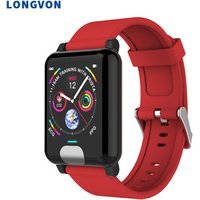
ECG GPS Smart Watch Smartwatch Smartband with ECG Wearable ECG Monitor EKG Smart Band Bracelet Watch
Alibaba UK
Sponsored by Lopardi

Hot Wearable Smartwatch Devices SW04 Smart Wrist Watch Electronics SIM TF Card Phone Men For Apple
Alibaba UK
Sponsored by Lopardi

Fitbit Smart Wearable Accessories Band - Pink Silicone (FB180ABPKS)
Back to the Office
Sponsored by Lopardi
3. Increasing Interoperability among Devices
As smart wearables proliferate, their ability to seamlessly connect with other devices is becoming paramount. Future wearables will not only sync with smartphones but will also interface with a multitude of smart home devices, creating a comprehensive ecosystem. Imagine a scenario where your fitness band communicates with your smart thermostat to adjust your environment based on your physical exertion levels. According to McKinsey, interoperability could elevate user experience significantly, making devices more relevant and responsive to day-to-day realities. This integration will hinge on improved standards and protocols for device communication, ensuring users benefit from streamlined interactions across all their devices.
4. Focus on Sustainability and Eco-Friendly Materials
As environmental concerns take centre stage, manufacturers are increasingly innovating to integrate sustainable materials into wearables. Future devices may feature biodegradable components or use recycled materials without compromising on quality or aesthetics. According to the Environmental Protection Agency, e-waste poses significant environmental hazards, prompting tech companies to reassess their manufacturing processes. With the advancement of smart wearables, companies can position themselves as eco-conscious by reducing their carbon footprint. This trend will not only appeal to environmentally aware consumers but may also become a regulatory requirement in the near future.
5. Customisation and Personalisation
Personalisation will be a key trend in the smart wearables landscape of 2026. From customizable watch faces to adjustable straps, the consumer desire for unique devices is on the rise. Advanced printing technologies, such as 3D printing, allow for extensive customisation options, enabling users to tailor their wearables according to personal style and functionality requirements. Furthermore, smart wearables will offer a plethora of band options, colours, and even material to suit individual tastes. This level of personalisation not only enhances user satisfaction but also encourages greater usage amongst diverse demographic groups. Brands that embrace the customisation trend are likely to gain a competitive edge in the booming wearables market.
6. Wearable Payment Systems
The integration of payment systems into smart wearables is set to revolutionise how we handle transactions. As contactless payments become increasingly mainstream, future wearables may support advanced payment features, including biometric authentication for enhanced security. This convenience will encourage more users to engage with smart wearables, contributing to a growing acceptance of cashless transactions. In fact, a study by MarketsandMarkets predicts that the contactless payment market will reach USD 4.68 trillion by 2026. This newfound capability will facilitate smoother and faster transactions, making everyday purchases not just simpler but also more secure.
7. Immersive Augmented Reality (AR) Integration
As AR technologies evolve, their integration into smart wearables will likely redefine user experiences. Imagine wearing smart glasses that overlay information about your surroundings, enhancing both everyday tasks and entertainment. Such devices could provide navigation aids in real-time or contextual data during training sessions in sports or other activities. The Consumer Technology Association predicts that AR-enabled wearables could increase user engagement by over 30% in experiential environments. Consequently, this immersion not only enhances user satisfaction but also opens new avenues for marketing and education.
Conclusion
In summary, the smart wearables industry is on the brink of substantial growth powered by technological advancements. The trends discussed above not only indicate shifts in consumer preferences but also demonstrate a collective movement towards smarter, more integrated, and sustainable technology. These innovations promise to not only enhance individual user experiences but redefine how we think about health, connectivity, and personalisation in our daily lives.
Checklist avant achat
- [ ] Vérifier l'autonomie de la batterie
- [ ] Comparer les fonctionnalités de santé
- [ ] Évaluer les options de personnalisation
- [ ] Considérer la compatibilité avec d'autres appareils
- [ ] Rechercher des options écologiques
📺 Pour aller plus loin : latest innovations in smart wearables 2026 sur YouTube
Recommended products
Selected by our experts
ECG GPS Smart Watch Smartwatch Smartband with ECG Wearable ECG Monitor EKG Smart Band Bracelet Watch
Alibaba UK
This ECG GPS smartwatch is ideal for comprehensive health tracking and is a perfect example of next-gen wearables.
Sponsored by Lopardi
Hot Wearable Smartwatch Devices SW04 Smart Wrist Watch Electronics SIM TF Card Phone Men For Apple
Alibaba UK
This smartwatch combines fitness and connectivity features, making it an essential part of the modern active lifestyle.
Sponsored by Lopardi
Fitbit Smart Wearable Accessories Band - Pink Silicone (FB180ABPKS)
Back to the Office
This Fitbit accessory not only enhances fitness tracking but also adds a touch of style to any wearable device.
Sponsored by Lopardi