Contents (9 sections)
Smart wearable devices are set to revolutionise how we interact with technology and manage our daily lives. By 2026, we can expect significant advancements that will not only enhance the utility of these gadgets but also integrate them more deeply into our lifestyles.
Understanding Smart Wearable Devices
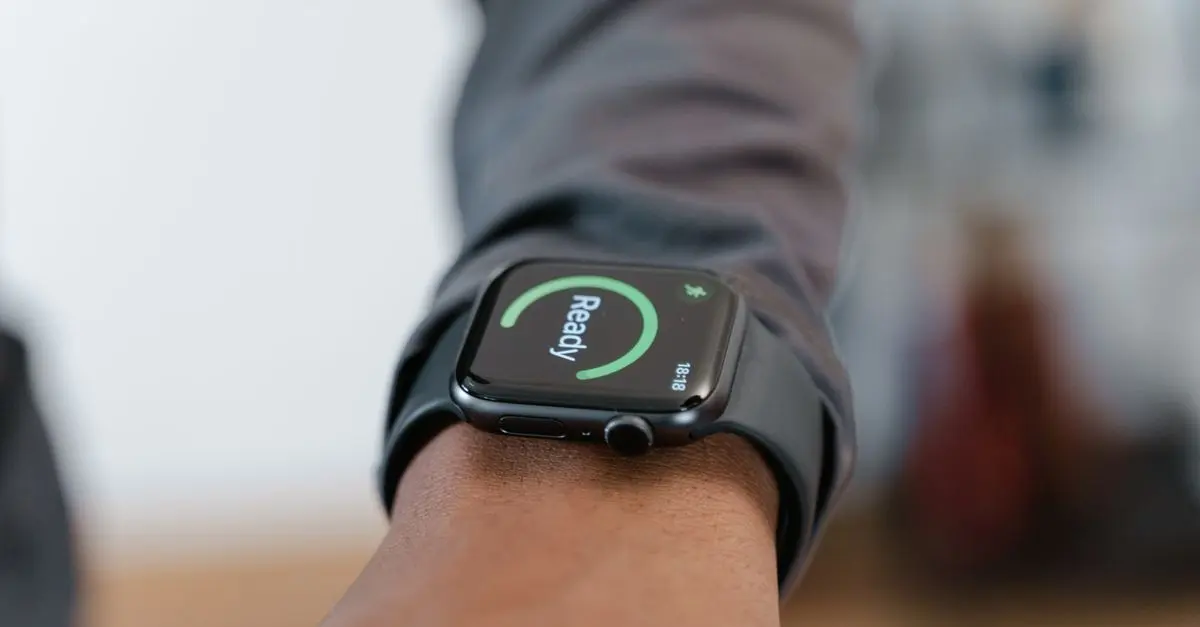
Smart wearable devices encompass a variety of gadgets designed to be worn on the body, often equipped with sensors and connectivity features. These may include smartwatches, fitness trackers, augmented reality glasses, and smart clothing. According to Statista, the global smart wearable market is projected to reach $130 billion by 2026, reflecting explosive growth and increasing consumer demand.
But what drives this innovation? It's based on consumer needs for health monitoring, seamless connectivity, and lifestyle enhancement. For instance, wearables now integrate with smartphone apps, allowing users to track their fitness metrics, receive notifications, or even make payments directly from their wrist. Beyond convenience, these technologies can significantly improve health outcomes by providing real-time data and personalised recommendations.
Major Trends in Smart Wearable Devices
1. Advanced Health Monitoring
One of the most significant trends in smart wearables is the transition from basic fitness tracking to comprehensive health monitoring. Devices are increasingly equipped with advanced sensors capable of tracking metrics such as heart rate variability, blood glucose levels, and sleep patterns. For example, the introduction of continuous glucose monitors (CGMs) for non-diabetics exemplifies how technology is evolving to manage health proactively.
According to the World Health Organization, chronic diseases are responsible for 71% of deaths globally, hence the importance of early detection and management through wearable technology. By 2026, we predict that 70% of health wearables will offer advanced health analytics, allowing users to understand their bodies better and make informed health choices.
💡 Expert Insight: "Wearables are becoming dually focused: enhancing fitness while also providing critical health insights, potentially revolutionising preventative care." - Dr. Sarah Jenkins, Health Tech Specialist.
2. Augmented Reality (AR) Integration
The integration of augmented reality (AR) into wearable technology is set to change how we interact with our environment. Smart glasses and headsets that overlay digital information onto the real world can enhance experiences in fields such as education, training, and entertainment. Companies like Microsoft and Google are leading this push in AR wearables, which can provide information or guidance hands-free.
By 2026, the AR wearable market is forecasted to grow rapidly, with sectors such as retail using smart glasses to enable immersive shopping experiences. For instance, shoppers could view virtual outfits on their physical bodies through mirrors outfitted with AR technology. Studies predict that AR-induced engagements could boost online retail sales by 20%.
3. Environmentally Conscious Materials
As sustainability continues to be a critical consideration, smart wearable manufacturers are exploring eco-friendly materials. The demand for wearables made from recycled or biodegradable materials is increasing. Companies are investing in research and development to create products that not only reduce environmental impact but also appeal to the conscience of eco-aware consumers.
By 2026, an estimated 50% of wearable devices will be constructed from sustainable materials. This trend reflects a broader shift towards sustainable technology across various industries, as brands aim to reduce their carbon footprints and attract environmentally conscious buyers.
4. Enhanced User Customisation
Personalisation within smart wearables is about to reach new heights. With the advent of AI and machine learning, devices will become more intuitive, learning user habits and preferences to tailor functionalities accordingly. This includes everything from fitness goals to daily reminders for health check-ins.
As of 2026, we expect that customisation features will dominate new product releases, significantly enhancing user engagement and satisfaction. Personalised wearables could encourage healthier lifestyles by adapting to individual activities and preferences.
5. Secure Data Management
With increased functionality comes the potential for data privacy concerns. As wearables track sensitive health information, robust security measures must be implemented to protect user data. By 2026, we expect to see a stronger emphasis on data management and user privacy, with encrypted communication protocols becoming standard in smart wearables.
This transformation includes user-enhanced privacy settings, providing consumers with more control over their data usage. According to the European Union, about 80% of consumers express concern over how their data is used, indicating a significant market for secure wearable devices.
Comparison of Key Features in Smart Wearables
| Feature | Smartwatch | Fitness Tracker | AR Glasses | Smart Clothing |
|---|---|---|---|---|
| Health Monitoring | Yes (limited) | Yes (extensive) | Basic | Yes (variable) |
| Battery Life | Moderate | Long-lasting | Short | Variable |
| AR Capabilities | No | No | Yes | No |
| Customisation Options | Extensive | Limited | Moderate | Extensive |
| Price Range | £200 - £1000 | £50 - £300 | £500 - £2000 | £100 - £500 |
📺 For deeper insights: *Discover the latest in smart wearables and their future potential. Search on YouTube for: "smart wearable devices trends 2026".
- What are smart wearable devices?
Smart wearable devices are gadgets designed to be worn on the body, such as smartwatches and fitness trackers, equipped with sensors for various functionalities.
- How do smart wearables contribute to health monitoring?
They track vital signs like heart rate and physical activity, providing crucial data for monitoring health and wellness.
- What advancements can we expect in AR wearables?
Expect enhanced interaction with digital environments in real-time, facilitating immersive experiences in everyday activities.
- What are the sustainability trends in smart wearables?
There is a growing emphasis on using eco-friendly materials and reducing the carbon footprint associated with wearable technology production.
Glossary
| Terme | Définition |
|---|
Checklist avant achat
- [ ] Vérifier la compatibilité avec votre smartphone
- [ ] Évaluer les fonctionnalités de suivi de santé
- [ ] Opter pour des matériaux durables
- [ ] Regarder la durée de vie de la batterie
- [ ] Considérer les options de personnalisation
Conclusion
As we look towards the future, the landscape of smart wearable devices is ripe for innovation. Companies are responding to consumer needs for health, sustainability, and personalisation. Understanding these trends will empower consumers to make informed choices and embrace the potential of wearable technology.
Consider your lifestyle, preferences, and health needs as the smart wearable market evolves. Choose wisely, keep informed, and invest in technology that enhances your quality of life.
📺 Pour aller plus loin : smart wearable devices trends 2026 sur YouTube