Contents (10 sections)
Smart home technology has transformed the way we interact with our living spaces, making them more convenient, secure, and efficient. As we step into 2026, several key innovations are set to redefine this landscape, providing enhanced features that cater to our evolving needs. In this article, we will explore the latest trends and innovations shaping the future of smart home technology.
1. Enhanced Interconnectivity
At the core of smart home technology is the seamless interconnectivity of devices. In 2026, this trend is becoming even more pronounced with the emergence of advanced protocols and standards that allow different devices to work together more harmoniously. Technologies such as Matter, an interconnectivity standard developed by the Connectivity Standards Alliance, are making it easier for devices from various manufacturers to interact without compatibility issues.
This innovation facilitates the creation of a unified smart home ecosystem where users can control their devices through a single application, regardless of the brand. Such developments not only enhance user experience but also encourage new product innovations from manufacturers aiming to create compatible devices. The projected growth of this market segment suggests a rise in consumer demand for interconnectivity, supporting up to 20 billion smart devices globally by 2027 according to Gartner.
2. Increased Focus on Energy Efficiency
As awareness of sustainability continues to grow, smart home technology is evolving to prioritise energy efficiency. In 2026, innovations such as smart thermostats, energy-monitoring plugs, and smart lighting systems are becoming essential components of energy-conscious households. These devices optimise energy usage by learning household patterns and adjusting energy consumption accordingly.
The International Energy Agency (IEA) reports that smart home technologies can lead to a potential energy savings of up to 30% in residential buildings by 2030. For instance, smart thermostats automatically adjust temperatures when rooms are unoccupied, while energy monitors provide real-time data, allowing homeowners to make informed choices about their energy consumption. Homeowners not only gain cost advantages but also contribute to reducing the carbon footprint, making energy efficiency a win-win scenario.
3. Advanced Security Features
Safety remains a top priority for homeowners, and smart home technology is continuously evolving to meet these needs. In 2026, innovations in smart security systems are more sophisticated than ever, offering enhanced features such as AI-driven security cameras and doorbells that can recognise faces, alerting users to unexpected visitors.
Intruder detection systems with integrated sensors can now alert homeowners through mobile applications, allowing them to monitor their properties remotely. According to Statista, the smart home security market is expected to exceed $70 billion globally by 2025. This growth demonstrates the increasing consumer commitment to home safety, influenced by the availability of cutting-edge technologies that provide peace of mind.
4. Voice Control Integration
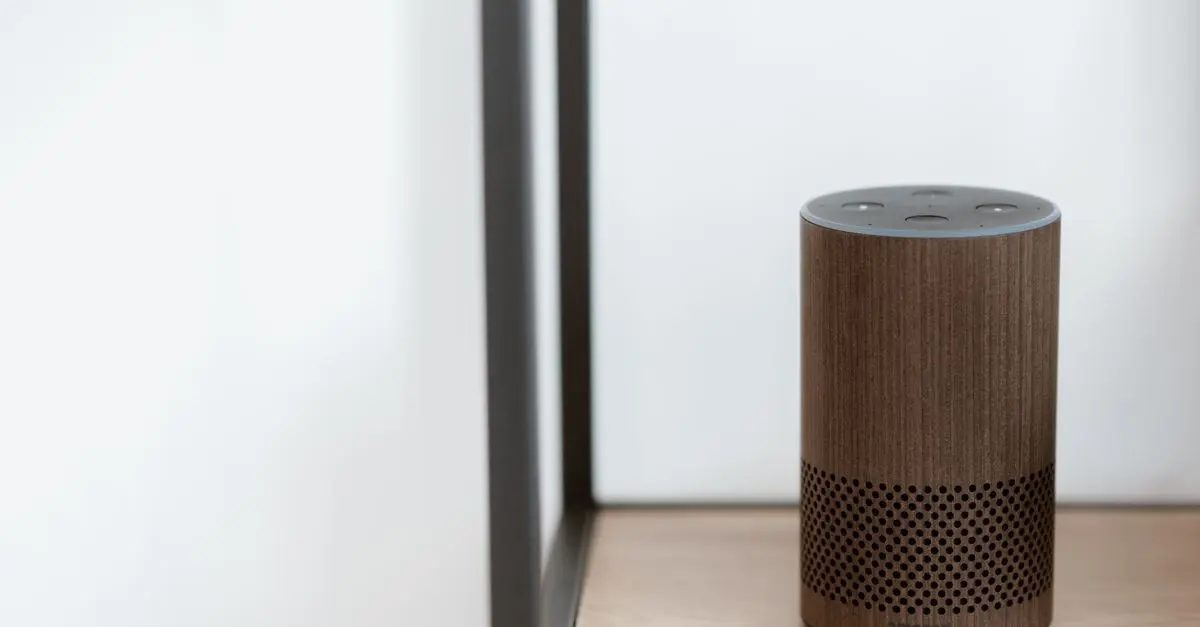
Voice recognition technology continues to be a game changer in smart home automation. By 2026, the sophistication of voice assistants has reached new heights, allowing them to understand more complex commands and offer personalised user experiences. This integration enables users to control their smart home devices effortlessly by speaking, making it an attractive feature for those desiring convenience and hands-free control.
Emerging developments in natural language processing suggest that future voice assistants will not only respond to commands but will also engage in more meaningful conversations. According to Forrester, the market for voice-enabled devices will see significant growth, with an estimation of reaching 1.8 billion units by 2025. This trend advocates for an inclusive smart home environment that can be controlled by users of all ages and abilities, thus improving accessibility.
5. Health Monitoring Solutions
The focus on health and well-being has transformed smart homes into personal wellness hubs. In 2026, innovative devices like smart air purifiers and sleep monitors are integrating seamlessly with other home systems to create a healthier living space. For instance, air quality monitors notify users about unhealthy levels of pollutants in real-time, prompting immediate action.
Additionally, smart hydration monitors encourage users to stay hydrated by reminding them to drink water throughout the day. The increased awareness of health has led to a predicted growth in the health-smart home segment, with some projections suggesting a rise to $12 billion by 2024, according to Markets and Markets. This trend highlights how technology can positively influence health within the home environment.
📺 For further insights:
[Understanding Smart Home Technology: The Future of the Connected Home], explores the nuances of smart devices and their impact on daily living. Search YouTube for: future smart home trends 2026.
Checklist before buying
- [ ] Check device compatibility with existing systems
- [ ] Assess energy consumption and potential savings
- [ ] Read customer reviews for real-world insights
- [ ] Examine security features thoroughly
- [ ] Consider integration with voice assistants


StarTech.com USB4 to Ethernet Adapter, 10GbE, Multi-Gigabit, Thunderbolt Compatible, 10GBASE-T/5G/2.5G NIC, 10G Ethernet Adapter, 0.5m USB4 Cable,
Back to the Office

Glossary
| Terme | Définition |
|---|---|
| Matter | A connectivity standard enabling smart devices to communicate seamlessly. |
| Smart Thermostat | A device that regulates heating and cooling based on user preferences and occupancy. |
| AI-driven Security Cameras | Cameras that utilise artificial intelligence to recognise faces and detect movement. |
---
Recommended Products
- 2. 3. 4. ---
📺 Pour aller plus loin : future smart home trends 2026 sur YouTube
Recommended products
Selected by our experts