Contents (11 sections)
In recent years, smart home technology has revolutionised the way we interact with our living spaces. As we move into 2026, a range of innovations is set to enhance convenience, security, and efficiency in our homes. This article will explore key trends that are anticipated to dominate the smart home landscape.
1. Integrated AI Systems
One of the most significant trends in smart home technology is the rise of integrated AI systems. These systems will enable multiple devices to communicate efficiently with one another, creating a seamless home environment. Unlike earlier models that operated in isolation, the integrated AI will learn from user behaviour and preferences, automatically adjusting settings like lighting, temperature, and security based on these insights.
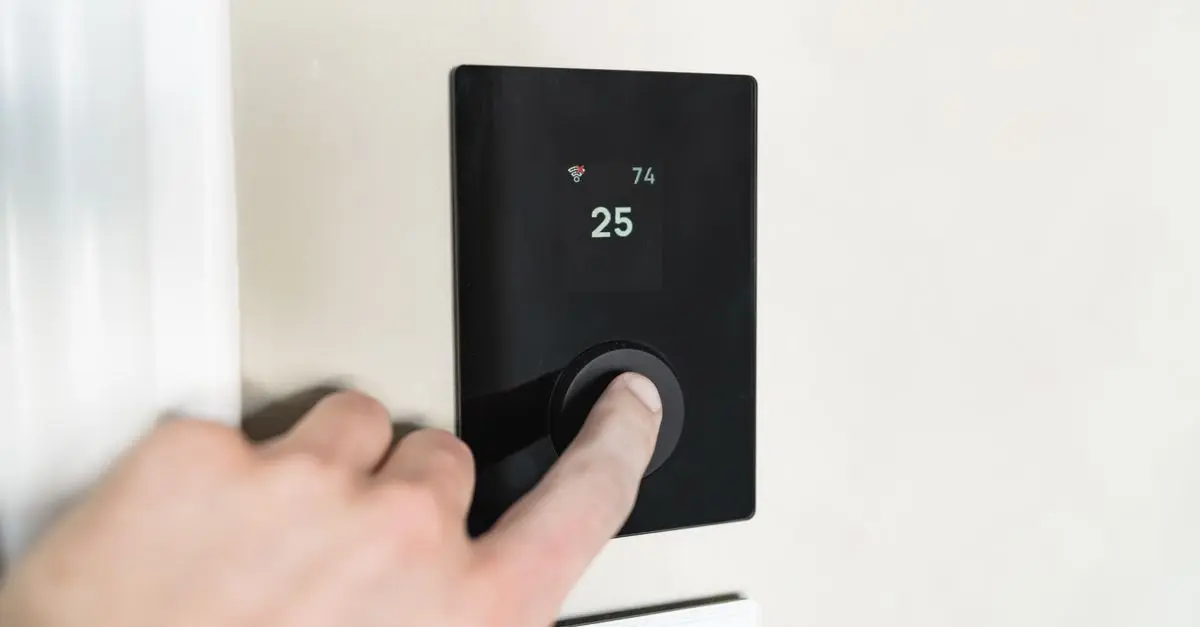
For instance, imagine arriving home from work to find your living space perfectly lit and at your preferred temperature. In 2026, smart thermostats and lighting systems will utilise predictive algorithms, improving energy efficiency by up to 20% according to studies by UFC-Que Choisir. Additionally, appliances such as refrigerators will notify you when supplies are low and even suggest recipes based on available ingredients.
This evolution means users will not only enjoy increased comfort but also reduced utility bills, making integrated AI systems a must-have in every modern home.
2. Advanced Home Security Solutions
As smart home technologies advance, so too do home security systems. In 2026, we anticipate a surge in security solutions that leverage facial recognition and motion detection technology. These systems will not only alert homeowners to suspicious activity but also distinguish between known and unknown individuals, reducing false alarms.
Connected doorbells and security cameras will be enhanced with AI capabilities, allowing home security to extend beyond mere surveillance. According to the latest market forecasts, adoption rates for smart security devices are expected to increase by 30% over the next three years. This shift represents a significant investment in home safety and peace of mind.
Moreover, homeowners will be able to access real-time feeds via their smartphones and receive immediate alerts when unusual activity is detected. This level of security is crucial in today’s rapidly changing urban environments.
3. Sustainable Smart Home Tech
With an increasing focus on sustainability, green technologies will become a central feature in the next generation of smart homes. In 2026, new innovations will include solar energy systems integrated with home energy management platforms. These systems will optimise energy use in real-time, ensuring that homes not only rely on renewable energy but also contribute to it.
Studies by ADEME suggest that homes equipped with smart energy management systems can reduce their carbon footprint by up to 50%. Devices such as smart meters will allow homeowners to track energy consumption patterns and identify areas where savings can be made. Imagine being able to monitor your home's energy usage from your smartphone and adjust accordingly to maximise savings.
The use of sustainable materials in construction and design will also become prevalent, showcasing how smart technology and environmental consciousness can coexist harmoniously.
4. Voice-Activated Systems
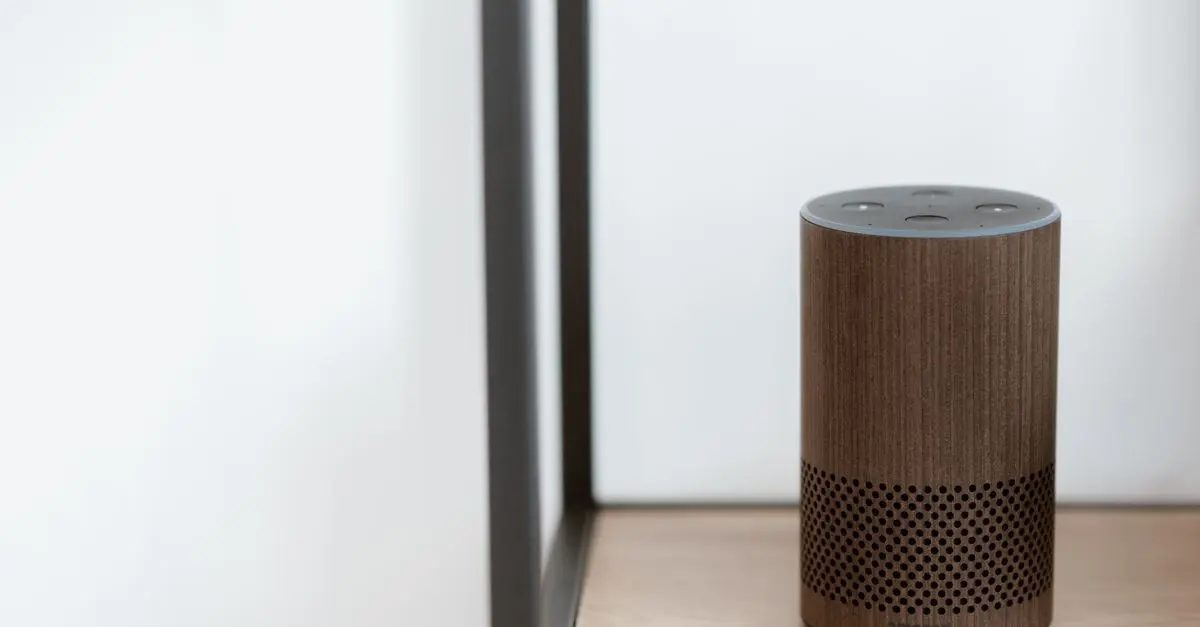
Voice technology continues to play a pivotal role in smart home innovation. In 2026, we expect to see significant advancements in voice-activated systems which will become more intuitive, responding to natural language commands. These systems will allow users to control various aspects of their homes simply by speaking.
Unlike today's systems, the next generation will understand context and nuances in commands. For example, saying, “I’m cold,” could automatically adjust the thermostat and activate the heating in your home. This feature is not just about convenience; it’s about accessibility as well, enabling those with mobility issues to manage their homes effectively. Companies like Amazon and Google are already investing heavily in developing voice recognition capabilities that enhance user interaction.
By reducing the friction in how users interact with their devices, these advances will make smart homes more user-friendly and inclusive.
5. Personalised Home Experiences
Personalisation will become a hallmark of smart home technology in 2026. Systems will analyse user data to create tailored experiences that adapt to individual preferences. This will range from customised ambient settings to integrated health monitoring systems.
For instance, smart sleep systems that track sleep patterns and adjust room conditions to optimise sleep quality will be more prevalent. Research indicates that a well-designed sleep environment can improve sleep quality by up to 40% (Les Numériques). Furthermore, smart homes may include health monitoring devices that assess air quality and recommend improvements if pollutants are detected.
This level of personalisation will enhance comfort and well-being, creating spaces that not only respond to needs but also foster health and mental wellness.
📺 For further information:
> [Innovations in Smart Home Technology for 2026], an informative video discussing the latest breakthroughs. Search on YouTube: smart home technology innovations 2026.
Comparison Table of Smart Home Devices Features
| Feature | Device A | Device B | Verdict |
|---|
| Integration with AI | Yes | Yes | Both devices offer strong AI integration.
| Energy Efficiency | Up to 20% savings | Up to 30% savings | Device B is more efficient.
| User-Friendly | High | Moderate | Device A provides a better user experience.
| Security Features | Basic alert system | Advanced facial recognition | Device B provides enhanced security.
Glossary
| Terme | Définition |
|---|---|
| Smart Home Technology | Systems and devices that automate and enhance home functions through connectivity and AI. |
| AI Integration | Integration of artificial intelligence to enable devices to learn and perform tasks autonomously. |
| Voice Activation | Technology that allows users to control devices using spoken commands. |
Checklist before Purchase
- [ ] Assess compatibility with existing devices
- [ ] Check energy efficiency ratings
- [ ] Research user reviews and experiences
- [ ] Verify security features included
- [ ] Confirm warranty and customer support availability
🧠 Quick Quiz
> How do smart home technologies enhance energy efficiency?
> - A) By making homes colder
> - B) By using more electrical appliances
> - C) By optimising energy usage based on real-time data
> Answer: C — Smart technologies optimise energy use, leading to savings.
📺 Pour aller plus loin : smart home technology innovations 2026 sur YouTube