Contents (12 sections)
In the rapidly evolving world of technology, smart home gadgets are at the forefront of innovation, reshaping how we interact with our living environments. With advancements in artificial intelligence, automation, and connectivity, the landscape of home technology in 2026 is more exciting than ever. From enhancing security to improving energy efficiency, the latest innovations offer a glimpse into the future of smart living.
1. Enhanced Home Automation Systems
Home automation has taken a giant leap forward, integrating AI-driven systems that learn and anticipate users’ needs. For instance, smart thermostats now utilise machine learning algorithms to adjust heating and cooling based on your daily schedule, resulting in significant energy savings. According to a study by UFC-Que Choisir, homes equipped with smart thermostats can save up to 23% on heating bills.
Moreover, the latest systems can control not only heating and cooling but also lighting, appliances, and security features from a single interface, consolidating control and improving user experiences. As a result, homeowners can enjoy an interconnected ecosystem where all devices communicate seamlessly, providing convenience and peace of mind.
2. Security Innovations
In 2026, security innovations in smart home gadgets have reached new heights. Advanced monitoring systems, including AI-powered cameras, can now differentiate between familiar faces and potential intruders, and send real-time alerts to homeowners. These gadgets have built-in facial recognition technology, ensuring that users can feel secure even when they are away from home. Moreover, with the integration of smart locks that use biometrics or remote access, homeowners have unmatched control over their property security. A report from Les Numériques highlights that households that adopt these technologies experience a 50% decrease in burglary incidents.
3. Energy-Efficient Smart Devices
As environmentally conscious living becomes a priority, the demand for energy-efficient smart gadgets is also on the rise. Devices that monitor and optimise electricity consumption are now commonplace. For instance, smart plugs allow users to track energy usage via mobile apps, thus identifying power-hungry appliances and allowing for corrective actions. Not only do these innovations support sustainable living, but they can also lead to substantial cost savings on energy bills. A recent survey indicated that homes utilising energy monitoring gadgets reported an average savings of 15% on monthly energy costs.
4. Advanced Voice Assistants
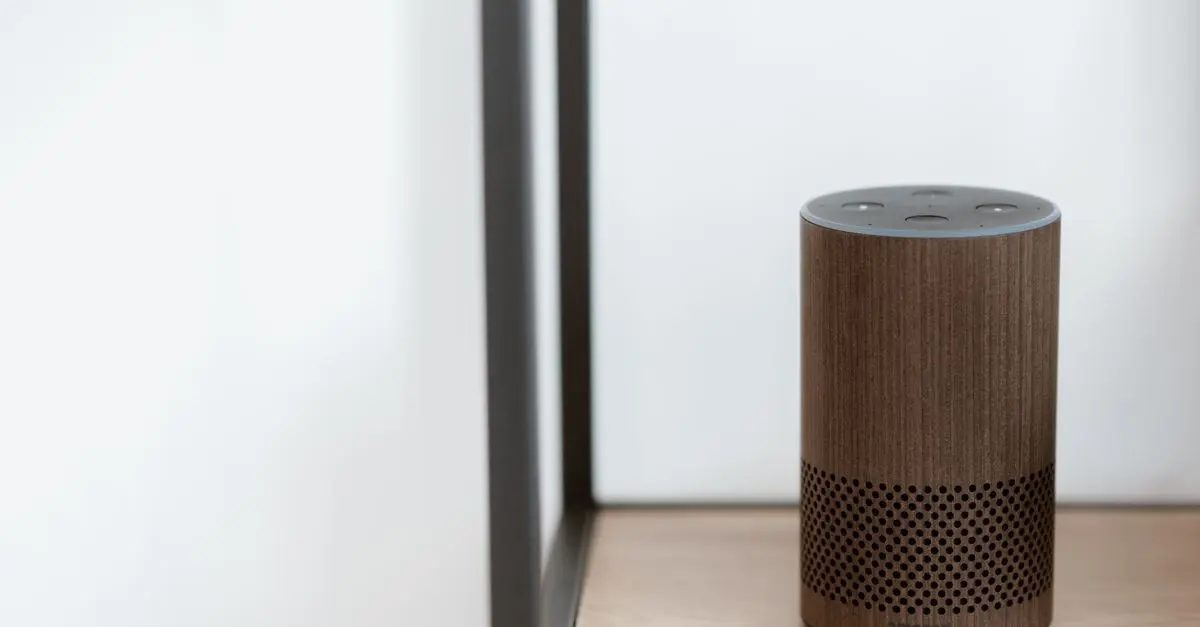
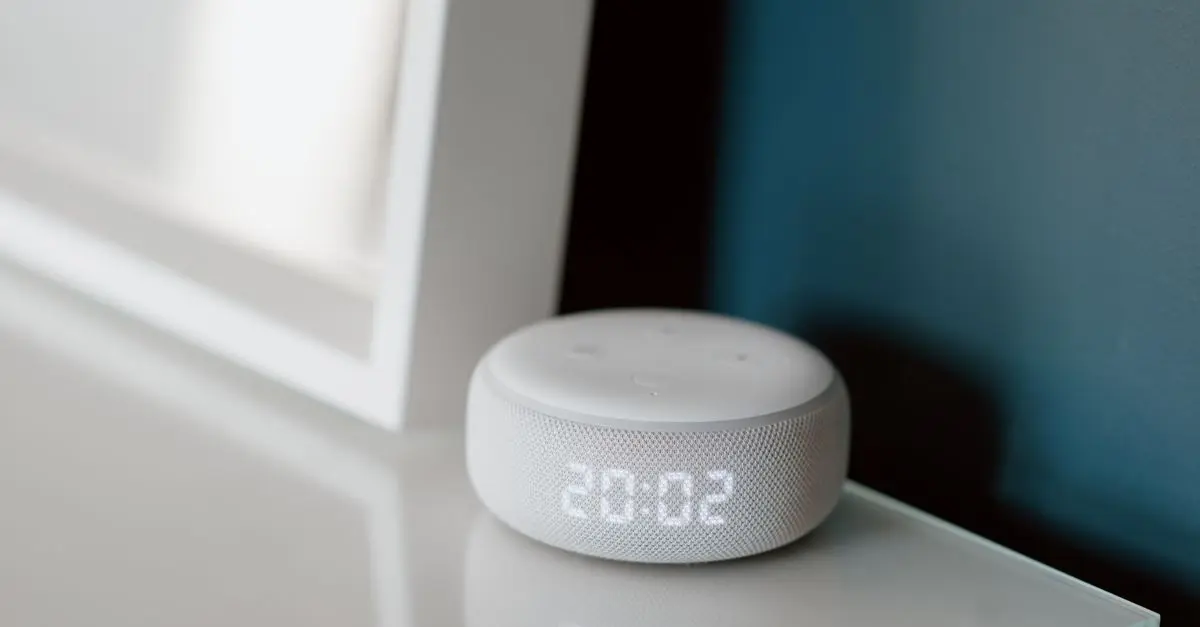
The role of voice assistants has expanded beyond mere convenience. Now, they serve as the central hub for managing various smart devices within the home. With improved Natural Language Processing (NLP) capabilities, these assistants can engage in multi-turn conversations, making interactions feel more fluid and natural. Additionally, voice assistants can now operate in multiple languages, catering to a broader audience. This trend is predicted to augment user accessibility, wherein smart gadgets can engage with users in a more personalised manner.
5. Health-Centric Smart Appliances
Growing awareness around health and wellness has seeped into the smart home sector, leading to innovations that focus explicitly on improving well-being. Smart fridges can now track food expiration dates, suggest recipes based on available ingredients, and even order groceries automatically when supplies run low. Such appliances not only promote healthy eating but also reduce food waste significantly. An analysis of market trends by 60 Millions de Consommateurs indicates that health-focused appliances are expected to see a 30% increase in consumer adoption over the next five years, reflecting a shift towards health-centric living.
6. Intelligent Lighting Solutions
Lighting technology has transformed with the advent of smart bulbs that adjust brightness and hue based on time of day or even mood. These intelligent lighting solutions can create ambient settings that enhance relaxation or alertness as needed, facilitated by integration with other smart home devices. Studies reveal that environments with adaptable lighting can improve productivity by up to 20%, making a compelling case for their implementation in homes and workspaces alike.
The rise of mood lighting and synchronised lighting with daily routines reflects a growing trend towards optimised living spaces that cater to both functionality and aesthetics.
7. Robotics and AI Integration
The role of robotics in smart homes is also evolving. From robotic vacuum cleaners that can navigate and clean spaces autonomously to lawn mowing robots that take care of the yard, the usage of AI in these appliances maximises efficiency. As research suggests, the global market for robotics in homes is projected to reach £60 billion by 2028. This surge indicates a burgeoning acceptance of robotics in daily life, enhancing convenience and addressing consumers’ needs for efficiency.
8. Future Trends in Connectivity
Emerging technologies are paving the way for a future with improved connectivity among smart devices. With the rollout of Wi-Fi 7, homes can expect faster and more reliable internet connectivity, crucial for seamless operation of smart devices. This standard enhances device performance, allowing multiple gadgets to operate without lag or downtime, thus elevating user experiences. As 5G technology continues to expand, it brings forth a network that supports an increased number of connected devices, further propelling the smart home evolution.
Glossaire
| Terme | Définition |
|---|---|
| IoT (Internet of Things) | Un réseau d'objets physiques qui collectent et échangent des données. |
| AI (Intelligence Artificielle) | Simulation de l'intelligence humaine par des systèmes informatiques. |
| Smart Home | Une maison équipée de dispositifs connectés qui peuvent être contrôlés à distance. |
Checklist avant achat
- [ ] Vérifier l'efficacité énergétique du produit.
- [ ] S'assurer de la compatibilité avec d'autres appareils.
- [ ] Lire les avis d'utilisateurs sur la sécurité.
- [ ] Considérer des options de maintenance et de support.
- [ ] Évaluer les fonctionnalités d'IA et de machine learning.


🎬 Ressource Vidéo
> 📺 Pour aller plus loin : Explore the latest trends in smart home technology, une analyse complète des innovations à venir. Recherchez sur YouTube : "latest smart home technology 2026 trends".
As we navigate through these trends, it becomes clear that smart home gadgets are not just about novelty; they are essential tools for improving quality of life, security, and energy efficiency. Embracing these technologies will not only enhance comfort but also contribute to a sustainable future. In this fast-paced world, keeping abreast of smart home innovations is crucial for those looking to create a modern, connected living experience.
Discover our recommendations below for the best smart devices currently available, chosen to fit seamlessly into your home.
📺 Pour aller plus loin : latest smart home technology 2026 trends sur YouTube
Recommended products
Selected by our experts
: Traceur d'objet 6 en 1 avec bluetooth
Darty FR
This multi-functional object tracker is perfect for keeping track of belongings and can be integrated into smart home systems.
Sponsored by Awin Bruno
ASUS RT-BE50 Router, Black
ao.com
This high-speed router ensures seamless connectivity for all smart home devices, enhancing your overall smart home experience.
ASUS RT-AX58U V2 AX3000 Wi-Fi 6 Router
ICPC UK
This Wi-Fi 6 router provides excellent performance and coverage, critical for an efficient smart home setup.
Sponsored by Lopardi