Contents (13 sections)
The rapid evolution of smart home gadgets continues to redefine our living spaces, offering convenience, security, and energy efficiency like never before. As we step into 2026, several cutting-edge innovations are poised to enhance our homes and daily lives further. This article delves into the key trends and technologies that will shape the landscape of smart home gadgets in the coming years.
1. Enhanced AI Integration
Artificial intelligence (AI) is at the forefront of the transformation in smart home technology. By 2026, we expect AI-driven gadgets to not only learn from user behaviour but to anticipate needs proactively. For example, smart thermostats will synchronise with local weather data and user habits to optimise heating and cooling without manual adjustments. According to Gartner, the use of AI in smart home devices is expected to reach 80% by 2026, up from 50% in 2023. This integration will create homes that are not just responsive but highly intuitive, significantly improving energy efficiency and user satisfaction.
The ongoing integration of AI into home gadgets could yield energy savings of up to 35%, making this technology not just a luxury but a smart investment for the sustainable home of the future.
2. Interoperable Ecosystems
In the past, devices from various manufacturers often operated in silos, making integration cumbersome. However, as we approach 2026, the focus is shifting towards creating interoperable ecosystems. This means that smart home gadgets from different brands can communicate seamlessly. Standards such as Matter are gaining traction, promoting compatibility across devices. This trend will empower consumers to mix and match products according to their needs without worrying about compatibility issues.
Market analysis suggests that the interoperability of devices can increase user satisfaction rates by over 60%, as customers will have a more cohesive experience with their smart homes, allowing for streamlined control and management.


IP67, 12V - COB Dotless LED Strip Lighting - Warm White 2700K
simplelighting.co.uk
3. Advanced Security Features
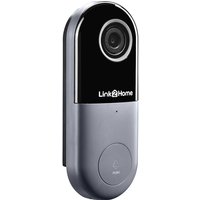
With the growing prevalence of smart home gadgets comes heightened concerns regarding security. By 2026, we anticipate significant advancements in the security features of these devices. Smart cameras and doorbells will integrate facial recognition, while alarm systems will leverage machine learning to differentiate between familiar faces and potential intruders. A report by Cybersecurity Ventures states that smart home security spending is projected to exceed $20 billion by 2026, driven by the desire for safer living environments. As users become more accustomed to data breaches, the demand for robust, trustworthy security solutions will likely soar.
4. Sustainability and Energy Management
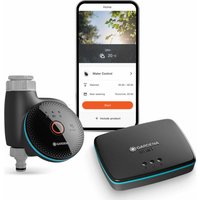
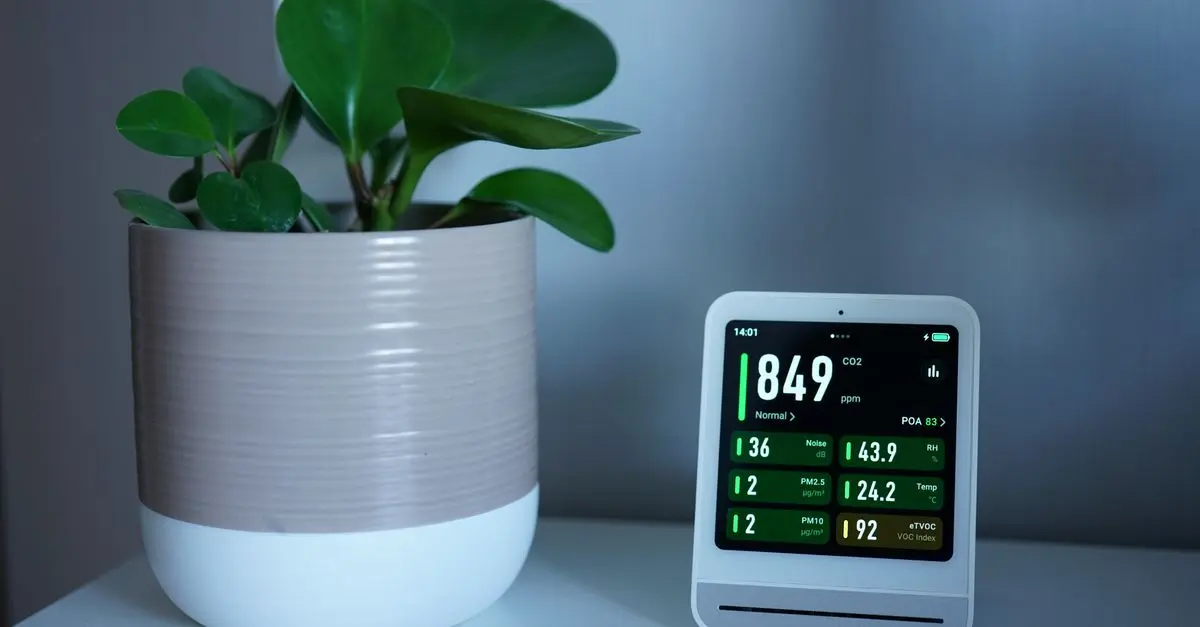
As awareness of climate change increases, the demand for sustainable living solutions is rising. In 2026, smart home gadgets will play a vital role in promoting eco-friendly practices. Innovations such as smart energy management systems can analyse energy consumption patterns and suggest adjustments to reduce waste. Devices like smart irrigation systems will use weather data to determine optimal watering schedules for gardens, conserving water and energy. According to the World Economic Forum, adopting such technologies could reduce household energy consumption by up to 40%. Customers are increasingly seeking out gadgets that not only simplify their lives but also contribute positively to the environment, leading to an uptick in green technology investments.
5. Integration of Health Monitoring
The line between smart homes and health tech is becoming increasingly blurred. Innovations in 2026 will see the emergence of smart home gadgets capable of monitoring health metrics. Devices like smart beds might track sleep patterns, while smart health hubs will integrate various health devices to provide holistic health management solutions. Research shows that around 70% of consumers are now more aware of health management as part of their home environment. This trend underscores the shift towards homes that consider the overall well-being of their inhabitants.
6. Voice and Visual Control
As voice control technology matures, the ability to manage smart home devices through natural language commands is set to revolutionise user experience. By 2026, we anticipate that visual recognition will become a core feature, allowing for gesture-based controls and visual assistance. Users will engage with their environments more intuitively, controlling their gadgets without the need to interact with screens or remote devices. From staggering statistics from Statista, voice-activated devices are expected to reach over 1 billion globally by 2026, showcasing consumers' preference for hands-free management. This user-friendly approach allows for unprecedented accessibility and efficiency, particularly for those with mobility challenges.

Mystery Box Deal - Gifts, Gadgets, Electronics and more - up to 8 Gadgets Per Box!
Boxed2me

7. Smart Kitchen Innovations
The smart kitchen will be a central focus of innovation in the coming years. With appliances becoming smarter and more connected, the kitchen will transform into a hub of automation. From smart fridges that monitor inventory and suggest recipes based on available ingredients to ovens that can be programmed remotely, the potential for enhanced cooking experiences is limitless. According to NPD Group, smart kitchen appliances are expected to see a growth rate of 30% annually in 2026, reflecting consumer interest in convenience and reliability when it comes to meal preparation and storage.
8. Augmented Reality Interfaces
Finally, the integration of augmented reality (AR) into smart home gadgets will redefine user interactions. By providing immersive visual overlays, AR can simplify tasks such as home design or appliance setup. Imagine visualising new furniture virtually in your living space before purchase. The AR market is estimated to surpass $200 billion by 2026, indicating a significant willingness to adopt such technology in everyday applications. This level of interactivity enables users to engage with their homes in ways previously considered science fiction.
📺 For further exploration:
Watch this video on the future of smart home gadgets, which provides an in-depth overview of upcoming innovations and technology trends. Search on YouTube: future smart home gadgets 2026.
Glossary
| Terme | Définition |
|---|---|
| Smart Home Gadgets | Appareils connectés permettant de contrôler divers aspects d'une maison, généralement via une application mobile ou un assistant numérique. |
| AI Integration | Incorporation d'intelligence artificielle dans des dispositifs pour améliorer leurs fonctionnalités et leur capacité d'interaction. |
| Interoperability | Capacité des appareils de différents fabricants à communiquer et à fonctionner ensemble sans problème. |
Checklist avant achat
- [ ] Vérifier la compatibilité des appareils
- [ ] Réviser les retours d'expérience des utilisateurs
- [ ] Considérer l'efficacité énergétique des dispositifs
- [ ] Examiner les fonctionnalités de sécurité
- [ ] Rechercher les mises à jour logicielles disponibles pour les appareils
📺 Pour aller plus loin : future smart home gadgets 2026 sur YouTube
Recommended products
Selected by our experts

Mystery Box Deal - Gifts, Gadgets, Electronics and more - up to 7 Gadgets Per Box!
Boxed2me


ASUS ZenWiFi AX (XT9) AX7800 2er Set Weiß Tri-band (2.4 GHz / 5 GHz / 5 GHz) Wi-Fi 6 (802.11ax) White 4 Internal
Back to the Office

Mystery Box Deal - Gifts, Gadgets, Electronics and more - up to 5 Gadgets Per Box!
Boxed2me