Contents (14 sections)
In 2026, the landscape of technology continues to evolve at an unprecedented pace. The future of smart gadgets is fascinating, as multiple innovations promise to redefine our interactions with devices in everyday life. This article delves into emerging trends that are not only enhancing convenience but are also fundamentally altering how we engage with technology.
Major Trends in Smart Gadgets
As we look towards the future, several key innovations stand out. These advancements are not only improving functionality but are also making smart gadgets more accessible and user-friendly. Below, we explore the most compelling trends shaping the next generation of gadgets.
1. Integration of AI and Machine Learning
The incorporation of Artificial Intelligence (AI) and Machine Learning (ML) into smart gadgets will dominate 2026. As these technologies advance, devices will become increasingly autonomous, allowing for personalised user experiences. For instance, home assistants equipped with AI can learn routines and offer tailored suggestions, whether that's adjusting lighting based on the time of day or suggesting recipes based on available ingredients. According to recent studies, 75% of households in developed countries have integrated AI into their technological ecosystems, and this number is projected to grow significantly.
2. Enhanced IoT Connectivity
The Internet of Things (IoT) continues to expand, connecting a plethora of devices seamlessly. In 2026, we anticipate a surge in the number of gadgets with IoT capabilities, such as smart fridges that track inventory and expiration dates or fitness wearables that sync with home automation systems. The global IoT market is expected to reach over £1 trillion by 2028, showcasing not only the growth potential but also the demand for interconnected devices that communicate efficiently with one another.
3. Sustainability and Energy Efficiency
With increasing attention on environmental concerns, the future of smart gadgets will also prioritise sustainability. Innovations in renewable energy technologies, such as solar chargers integrated into devices, are set to become mainstream. Additionally, smart gadgets will utilise energy-efficient components that lower carbon footprints while maintaining high performance. Research indicates that products designed with sustainability in mind can increase consumer purchase intent by 33%, reflecting a significant shift towards environmentally responsible technology.
4. Wearable Technology Advancements
Wearable technology is becoming more sophisticated, transitioning from basic fitness tracking to more advanced health monitoring tools. Future iterations of wearables will feature integrated sensors capable of monitoring vital signs, sleep patterns, and even stress levels. For example, smartwatches equipped with advanced biometric sensors can alert users to potential health issues before they become critical. According to market reports, the global wearable technology market is projected to grow to £100 billion by 2028, showcasing the immense opportunities in this area.
5. Seamless User Interfaces
As smart gadgets become more integrated into our daily lives, the demand for intuitive user interfaces will increase. Voice commands, gesture controls, and even brain-computer interfaces are on the horizon. These technologies aim not only to enhance user experience but also to provide accessibility for individuals with disabilities. For instance, devices that respond to thought patterns could revolutionise how those with mobility challenges interact with technology, leading to greater independence and ease of use.
Comparative Overview of Smart Gadget Innovations
| Feature/Trend | AI Integration | IoT Connectivity | Sustainability | Wearable Technology | User Interfaces |
|---|---|---|---|---|---|
| Current State | Growing | Expanding | Increasing | Established | Basic Interaction |
| Predicted Development | Advanced AI | Widespread IoT | Eco-Friendly | Health Monitoring | Gesture Control |
| Market Impact | Major Growth | High Demand | Sustainability Focus | Increased Adoption | Enhanced Interaction |
| User Experience | Personalised | Interconnected | Energy Efficient | Health-Focused | Highly Accessible |
6. Smart Home Ecosystems
The concept of a connected home will take on a new form as smart gadgets become central to home management. With every device connected to a user-friendly app, homeowners will be able to control everything from heating and lighting to security systems seamlessly. By 2026, it is expected that the majority of household devices will interact with each other, forming a cohesive ecosystem that prioritises energy efficiency and user comfort.
Analytical Insights
The future of smart gadgets in 2026 is largely dictated by user demands for convenience, efficiency, and comfort. Market analysis increasingly indicates a strong inclination towards devices that not only offer functionality but also contribute positively to everyday life without adding complexity. This evolution reflects broader societal shifts, where technology is expected to enhance personal well-being rather than complicate it.
📺 Ressource Vidéo
📺 Pour aller plus loin : [Les Innovations des Gadgets Connectés en 2026], une analyse complète des technologies émergentes. Recherchez sur YouTube : "nouveaux gadgets connectés 2026".
Q: What are smart gadgets?
A: Smart gadgets are devices equipped with sensors, software, and other technologies to connect and exchange data with other devices and systems over the internet.
Q: How will AI impact smart gadgets?
A: AI will enhance the capabilities of smart gadgets by enabling them to learn user preferences and automate tasks, resulting in a more personalised experience.
Q: What is IoT?
A: The Internet of Things (IoT) refers to a system of interrelated devices that collect and exchange data, creating a network of connected gadgets.
Q: Are smart gadgets environmentally friendly?
A: Many new smart gadgets are designed with sustainability in mind, utilizing energy-efficient technologies and materials to reduce their environmental impact.


Glossaire
| Terme | Définition |
|---|---|
| IoT | L'Internet des Objets, un réseau d'appareils interconnectés qui collectent et échangent des données. |
| AI | Intelligence artificielle, un domaine de l'informatique qui simule la réflexion humaine. |
| Wearable | Technologie portable qui suit des données biométriques pour l'analyse de la santé et du bien-être. |
Checklist avant achat
- [ ] Vérifier l'intégration AI des appareils
- [ ] S'assurer de la compatibilité IoT
- [ ] Considérer l'efficacité énergétique
- [ ] Évaluer les options de santé des dispositifs portables
- [ ] Examiner l'interface utilisateur pour sa simplicité d'utilisation
We have selected several products suited for your smart gadget needs, so be sure to check our recommendations below for more options that fit in with these up-and-coming technologies.
📺 Pour aller plus loin : nouveaux gadgets connectés 2026 sur YouTube
Recommended products
Selected by our experts
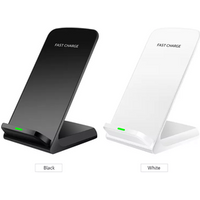
Gadgets 2019 technologies inventions dual coils wireless charger stand wireless charger fast charging
Alibaba UK


New Gadgets 2019 Electronics Wireless Cell Phone Charger Solar Battery High Capacity 5200mah Portable Qi Power Bank
Alibaba UK

Hot Gadgets Waterproof NFC CSR 4.0 Portable Wireless Stereo HiFi Music Subwoofer Bluetooth Car Speaker 2017 with 3600mAh Power
Alibaba UK

New Arrival Portable USB Electronics Gadgets Novelty Item Powered Cup Mug Warmer Coffee Tea Drink USB Heater Tray Pad
Alibaba UK

Wholesale JAKCOM R3 Smart Ring Consumer Electronics Mobile Phone Accessories smart watch Smart Phone 2019 new gadgets
Alibaba UK