Contents (11 sections)
In recent years, smart gadgets innovations have revolutionised the way we live and work. As we move forward into 2026, several cutting-edge trends are emerging that promise to shape the landscape of technology. This article delves into these innovations, providing insight into how they will impact our daily lives.
1. AI-Driven Personal Assistants
The first trend to watch in smart gadgets is the evolution of AI-driven personal assistants. These technologies are becoming more advanced, allowing them to not only respond to voice commands but also to understand context and predict user needs. According to a report by Gartner, the effectiveness of AI in personal assistants is expected to increase by 50% by 2026, enabling these systems to handle more complex tasks, from scheduling to managing smart home devices. The integration of natural language processing (NLP) means that users can communicate in a more conversational manner, making technology feel more intuitive and less robotic.
This shift not only enhances user experience but also increases productivity for businesses that rely on these tools for operations. For example, firms could see a reduction in administrative tasks by up to 30% as AI systems take over routine responsibilities. The accessibility of these smart assistants also opens doors for elderly users or those with disabilities, allowing them to gain greater autonomy in their daily lives.
2. Smart Home Integration
The rise of smart home technologies continues to accelerate, with innovations focusing on creating an integrated home environment. In 2026, we can expect a significant increase in the adoption of interconnected devices, facilitating seamless communication between various gadgets. For instance, smart thermostats that learn user preferences, linked security systems that produce real-time alerts, and smart appliances that can be controlled remotely will be more commonplace.
According to Statista, the smart home market is projected to reach £156 billion globally by the end of 2026, demonstrating the immense consumer interest in these innovations. Moreover, eco-friendly devices, such as energy-efficient smart light bulbs and IoT-connected heating systems, will not only enhance convenience but also contribute to sustainability efforts. Such integration not only brings added comfort but also encourages responsible consumption through energy management.
3. Wearable Health Technology
Wearable technology dedicated to health is set to undergo a drastic transformation in 2026. Devices like smartwatches and fitness trackers now go beyond simple step counting. Innovations such as continuous glucose monitoring, heart rate variability analysis, and even advanced sleep pattern tracking are emerging as vital tools for proactive health management. According to a study published by Market Research Future, the global health and wellness wearable market is expected to surpass £62 billion by 2026, providing users with unprecedented insights into their health.
The data collected from these devices can feed directly into personal health apps for more tailored health advice. As such technologies continue to evolve, we are likely to see a higher user engagement in personal health management, with more individuals taking responsibility for their health outcomes. Furthermore, integration with telehealth services could revolutionise how healthcare providers interact with patients, offering real-time data and reducing the strain on traditional healthcare systems.
4. Autonomous Robotics
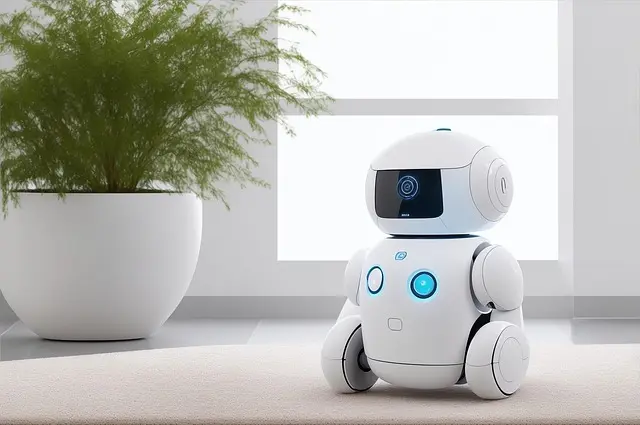
The use of autonomous robotics is another frontier for smart gadgets in 2026. While consumer robots have been available for some time, the focus is now shifting towards creating versatile, multifunctional robots designed for household tasks, logistics, and even companionship. Experts predict that as AI becomes more sophisticated, these robots will adapt to their environments and perform tasks with greater efficiency.
Despite their potential, there are challenges to address, including safety, ethics, and user acceptance. According to a recent report by McKinsey, the market for robotics is projected to grow by 30% annually as industries across the board begin to incorporate these technologies into their workflows. As autonomous robots are deployed in homes and workplaces, we can expect significant changes in the way we conduct daily activities.
5. Expanded Connectivity with 5G
The rollout of 5G technology is set to transform smart gadgets by enhancing connectivity and responsiveness. With dramatically increased speeds and lower latency, devices will be able to communicate faster and more reliably than ever before. This advancement is critical for fields such as telemedicine, where instant communication can have life-saving implications, and for smart city infrastructures that rely on real-time data.
In 2026, an estimated 1.5 billion users are expected to access 5G connections worldwide, according to Ericsson. The implications for smart gadgets are vast, enabling more complex applications like augmented reality (AR) and immersive experiences that rely on instantaneous data transfer. Furthermore, this connectivity can support a larger number of connected devices, paving the way for a new level of comprehensive smart home integration.
6. Enhanced Augmented and Virtual Reality Experiences
Emerging augmented reality (AR) and virtual reality (VR) technologies are set to redefine how we interact with the digital world. By 2026, advancements in these areas will allow for more immersive experiences that engage users in new and exciting ways. Industries such as gaming, education, and remote work are already exploring how these technologies can enhance their offerings, from virtual classrooms to training simulations.
Recent advancements from companies including Meta and Google signal a substantial growth trajectory for AR and VR markets, projected to reach £570 billion by 2026 according to the International Data Corporation. As smart gadgets incorporate these innovations, we will likely see a surge in applications that enhance productivity and creativity, further solidifying the importance of these technologies in our daily lives.
7. Sustainable Smart Gadgets
As consumers become more environmentally conscious, the demand for sustainable smart gadgets is on the rise. By 2026, we expect to see an influx of products designed with eco-friendly materials and energy-efficient technologies. Companies are beginning to embrace sustainable manufacturing processes, employing recyclable materials and reducing energy consumption in production.
Such movements are crucial as research from Nielsen indicates that 73% of millennials are willing to pay more for sustainable products. This growing awareness is prompting brands to rethink their strategies and align with greener policies. Innovations such as solar-powered devices and energy-efficient gadgets will play a significant role in attracting environmentally responsible consumers and can thus reshape the market landscape.
📺 Ressource Vidéo
> 📺 Pour aller plus loin : Exploring smart gadgets of the future, a comprehensive analysis of emerging technologies and their implications. Search on YouTube: innovations in smart gadgets 2026.
Glossaire
| Terme | Définition |
|---|---|
| IoT (Internet of Things) | Réseau d'appareils interconnectés capables de communiquer et d'échanger des données entre eux. |
| NLP (Natural Language Processing) | Champ de l'intelligence artificielle qui permet aux machines de comprendre et d'interagir en langage naturel. |
| AR (Augmented Reality) | Technologie qui superpose des éléments virtuels à notre vision du monde réel, enrichissant ainsi l'expérience utilisateur. |

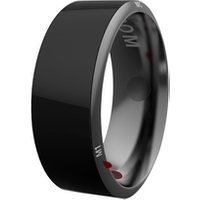
Wholesale JAKCOM R3 Smart Ring Consumer Electronics Mobile Phone Accessories smart watch Smart Phone 2019 new gadgets
Alibaba UK

JAKCOM OS2 Smart Outdoor Speaker 2018 new arrivals gadgets Hot sale sound system subwoofer
Alibaba UK
Checklist avant achat
- [ ] Évaluer les besoins spécifiques pour les appareils intelligents
- [ ] Considérer la compatibilité avec les autres gadgets
- [ ] Examiner l’efficacité énergétique des produits
- [ ] Rechercher des avis d’utilisateurs pour évaluer la performance
- [ ] Comparer les prix auprès de différents détaillants
🧠 Quiz rapide : Quel est le gadget que vous pensez sera le plus innovant dans cinq ans ?
- A) Un assistant personnel AI
- B) Un robot autonome
- C) Un appareil de réalité augmentée
Réponse : A — Les assistants personnels AI continueront d'évoluer pour répondre aux besoins des utilisateurs du quotidien.
📺 Pour aller plus loin : innovations in smart gadgets 2026 sur YouTube
Recommended products
Selected by our experts


ASUS ProArt PA32UCX-PK computer monitor 81.3 cm (32") 3840 x 2160 pixels 4K Ultra HD LED Black
Quzo UK


ASUS ZenWiFi AX (XT9) AX7800 2er Set Weiß Tri-band (2.4 GHz / 5 GHz / 5 GHz) Wi-Fi 6 (802.11ax) White 4 Internal
Back to the Office