Contents (16 sections)
In recent years, smart wearables have gained popularity, becoming integral parts of daily life for many individuals. These devices, which include smartwatches, fitness trackers, and augmented reality glasses, not only offer convenience but also promote healthier lifestyles. As technology continues to evolve, the potential benefits of these gadgets become even more pronounced, particularly in health management and productivity enhancements.
What are Smart Wearables?
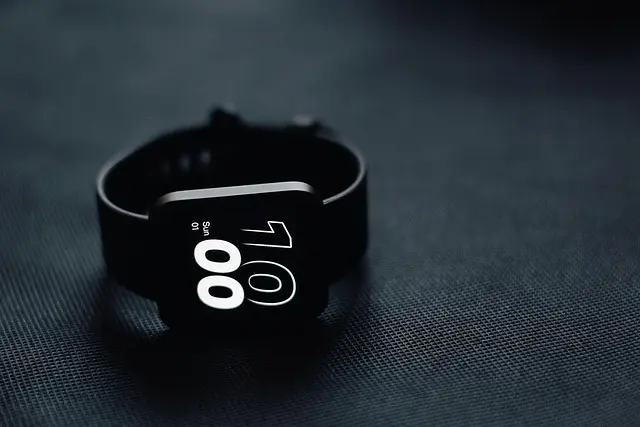
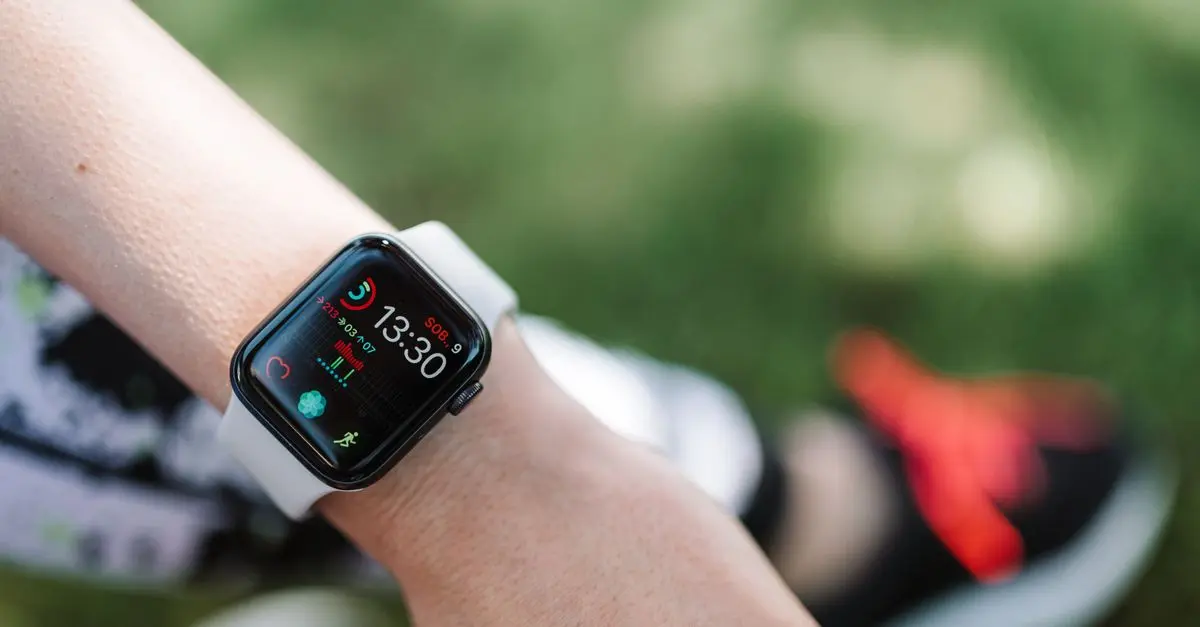
Smart wearables refer to electronic devices worn on the body that connect to the internet or other devices via Bluetooth and often feature sensors to collect data about the user's body and surroundings. From tracking heart rates and sleep patterns to providing notifications and navigation assistance, these gadgets have revolutionised how we interact with technology daily. For instance, the Apple Watch and Fitbit devices have been significant players in this space, continually innovating to include more health-monitoring features.
The Importance of Smart Wearables
The primary reason for the rise of smart wearables lies in their capacity to offer solutions tailored for health and well-being. A 2026 survey by UFC-Que Choisir found that 61% of users reported feeling more motivated to exercise after using a fitness tracker. With real-time feedback, users can set and achieve personal fitness goals, contributing to improved mental and physical health. This is especially vital as more individuals seek ways to monitor chronic conditions and maintain a balance between work and personal life.
How Smart Wearables Enhance Daily Routines
Smart wearables facilitate a seamless integration of technology into our routines, making everyday tasks more efficient. For example, users can receive calls and messages directly on their wrist, which reduces the need to check a smartphone constantly. According to a report by Les Numériques, the average person checks their phone around 96 times a day. Smartwatches can filter notifications, ensuring that users engage with the most important messages while ignoring distractions.
Health Monitoring
Additionally, many smart wearables offer health monitoring features that can track various metrics such as heart rate, blood oxygen levels, and even ECG readings, making them vital tools for managing health. Being aware of these metrics can lead to early detection of potential health issues, thus improving the quality of life. For instance, users can actively manage conditions like hypertension or diabetes by setting alerts for irregular readings.
💡 Avis d'expert: Data-driven health monitoring contributes significantly to early diagnosis. Continuous monitoring can alert users to consult a physician before minor health issues escalate into major concerns.
Comparative Analysis: Smart Wearables vs. Traditional Gadgets
To better understand the advantages of smart wearables, we can draw a comparison to traditional gadgets. Here’s a summarised table:
| Feature | Smart Wearables | Traditional Gadgets | Verdict |
|---|
The table illustrates that smart wearables significantly outperform traditional devices in critical aspects, particularly health monitoring and connectivity.
Statistical Insights into Smart Wearables
Recent statistics highlight the growing adoption of smart wearables. A 2026 market analysis by INSEE reported a 35% increase in smart wearable sales over the past year. Furthermore, the global market for wearable technology is projected to reach $60 billion by 2027, providing an undeniable testament to their increasing popularity.
According to the Consumer Technology Association, about 45% of adults in the UK own at least one smart wearable, indicating a shift towards a more health-conscious consumer base. This upward trend reflects society's appreciation for technology that not only simplifies tasks but also enhances overall well-being.
Q1: What are the main benefits of using smart wearables?
A1: The main benefits include continuous health monitoring, convenience in managing notifications, and enhanced personalisation in daily tasks.
Q2: Are smart wearables suitable for all ages?
A2: Yes, they are designed for all ages, with specific models tailored to children, adults, and seniors to promote health awareness and physical fitness.
Q3: How do smart wearables help with health management?
A3: Smart wearables monitor vital signs, track daily activities, and send alerts for potential health anomalies, allowing for proactive health management.
Q4: Can I use a smart wearable without a smartphone?
A4: While many features require a smartphone connection, basic functionalities like counting steps and monitoring heart rate can often be used independently.
📺 Ressource Vidéo
> 📺 Pour aller plus loin: A comprehensive look at how smart wearables improve health and productivity, search on YouTube: “how smart wearables transform daily life”.
Checklist before Purchase
- [ ] Identify my health monitoring needs
- [ ] Consider battery life requirements
- [ ] Compare brands for features
- [ ] Check compatibility with existing devices
- [ ] Research warranty and customer support options
Glossaire
| Terme | Définition |
|---|---|
| Smart Wearables | Electronic devices worn on the body for health and connectivity. |
| Fitness Tracker | A sub-category of smart wearables focused on monitoring physical activity. |
| ECG | A test that measures the electrical activity of the heart. |
Conclusion
The incorporation of smart wearables into daily life can significantly enhance health management, productivity, and lifestyle convenience. As these devices continue to evolve, their benefits will likely expand, making them a worthwhile investment for anyone looking to improve their daily routines. By understanding the features and advantages of these gadgets, consumers can make informed decisions that optimise their health and productivity.
If you're interested in exploring more about smart wearables or considering a purchase, do your research and find the perfect gadget that fits your lifestyle needs!
📺 Pour aller plus loin : how smart wearables transform daily life sur YouTube