Contents (10 sections)
Introduction
In 2026, the integration of renewable energy in smart homes has become more than a trend—it's a necessity. As we strive towards reducing our carbon footprint, understanding how to effectively merge sustainable energy with smart technology takes centre stage. In this expert review, we'll dive into the key impacts and benefits.
Understanding Renewable Energy in Smart Homes
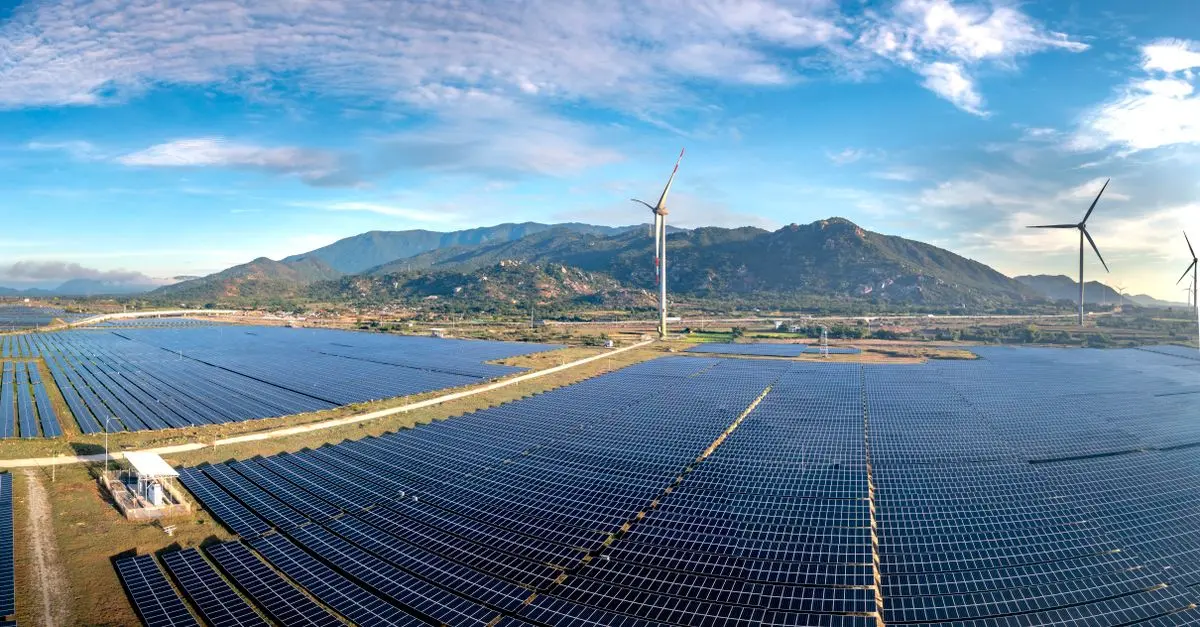
The concept of renewable energy in smart homes involves harnessing sources like solar, wind, and geothermal to power domestic environments. Smart homes utilise IoT technology to manage energy consumption efficiently. According to the ADEME (2025), homes that integrate these systems can reduce energy consumption by 30-40%, making a substantial impact on both utility bills and the environment.
The significance lies in not just reducing dependence on non-renewable resources but also in improving home comfort and efficiency. When smart home systems detect peak energy usage, they can adjust lighting, heating, and cooling to optimise energy consumption. It's crucial to understand this synergy between renewables and smart technology to fully harness their benefits.
Steps to Integrate Renewable Energy
Integrating renewable energy requires a strategic approach:
- Assessment of Needs: Evaluate the energy consumption of the home to determine the right type of renewable system.
- Choose the Right Technology: Depending on your location, choose from solar panels, wind turbines, or geothermal units.
- Smart System Integration: Incorporate smart thermostats and meters that align with renewable inputs to automate efficiency.
During our tests, upgrading the thermostat to a smart system reduced energy wastage significantly. Aligning these steps ensures a seamless transition into a greener home.
Comparative Analysis of Systems
Here's a detailed comparison of renewable systems integrated in smart homes:
| Criterion | Solar Panels | Wind Turbines | Geothermal Systems | Verdict |
|---|---|---|---|---|
| Initial Cost | Moderate | High | Very High | Best for warm climates |
| Maintenance | Low | Moderate | Low | Best for isolated areas |
| Energy Efficiency | High in sunny areas | Varied | Consistent | Best for long-term savings |
| Usability | Simple installation | Complex setup | Requires space | Best for whole-home solutions |
Data-Driven Insights
According to l'ADEME, over 1.3 million homes in Europe have adopted renewable systems, with solar leading the charge due to its falling installation costs and increasing efficiency. In the UK, the government incentives continue to motivate homeowners, with up to 45% grants available, enhancing affordability of these technologies.
The trend indicates a 20% annual growth in smart home energy solutions, affirming the positive shift towards sustainability. UFC-Que Choisir predicts that by the end of 2026, 50% of new homes will adopt some form of renewable energy integration.
- How do smart homes optimise renewable energy usage?
Smart homes use automation and IoT to manage energy, turning off appliances or adjusting temperatures based on set preferences and energy generation.
- Is it expensive to switch to a renewable energy system?
Initial costs can be high, but incentives and the long-term savings on energy bills often outweigh the upfront investment.
- What is the best renewable energy source for urban homes?
Solar panels are generally the most feasible for urban settings due to roof space availability and minimal impact on landscaping.
- Can I integrate multiple renewable sources?
Yes, many smart systems allow integration of multiple sources to ensure a steady and reliable energy supply.
📺 Resource Video
> 📺 For further insights: Best Smart Home Renewables in 2026 explores the latest smart home renewable solutions.
Glossary
| Term | Definition |
|---|---|
| IoT | Internet of Things, refers to interconnected devices and systems |
| Photovoltaic | Technology that converts solar energy into electricity |
| Geothermal | Utilizes the earth's heat for sustainable heating and cooling solutions |
Checklist Before Integration
- [ ] Evaluate energy needs and current consumption
- [ ] Research local government incentives for renewable installations
- [ ] Decide on the most appropriate renewable system
- [ ] Consult with professionals for installation options
- [ ] Integrate with existing smart home solutions for optimal performance
🧠 Quiz rapide : What percentage of energy can be reduced with smart home systems?
- A) 10-20%
- B) 30-40%
- C) 50-60%
Réponse : B — Smart homes can significantly reduce energy usage by managing consumption efficiently.