Contents (16 sections)
Understanding Noise-Cancellation
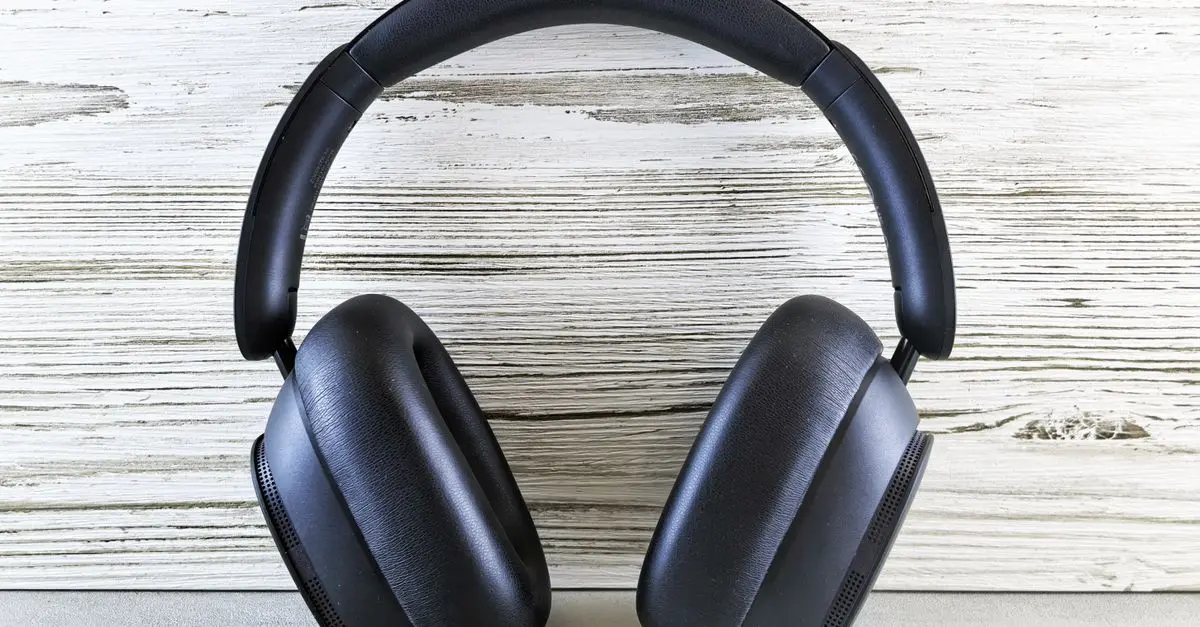
Noise-cancelling headphones are essential gadgets designed to reduce unwanted ambient sounds. Their main function is to create an inverse sound wave that neutralises external noise, making them ideal for focused listening in noisy environments. Active Noise Cancellation (ANC) is achieved by using microphones and speakers to pick up noise and cancel it out, whereas Passive Noise Cancellation involves physical barriers that block out sound. Understanding these differences is crucial as it affects sound quality and overall user experience. The importance of noise-cancelling headphones has soared, with many consumers seeking quiet environments amid urban chaos.
Step-by-Step Buying Guide
1. Assess Your Needs
Begin by identifying your primary use for the headphones. Are they for travel, work, or leisure? Each scenario might necessitate different features. For instance, frequent travellers may require excellent battery life and comfort for extended usage, while gamers might prioritise sound quality and low latency.
2. Know the Types of Noise-Cancellation
It’s essential to understand the distinction between passive and active noise-cancellation. Passive involves physical noise barriers such as ear pads, whereas active uses electronic processes to reduce background sounds. Evaluate which method is better suited to your lifestyle.
3. Consider Sound Quality
Sound quality is paramount. Prioritise headphones with rich bass and clear highs if you’re a music enthusiast. Headphones from brands like Bose and Sony are praised for their superior audio clarity. According to Les Numériques, models offering high-quality sound dramatically enhance user satisfaction.
4. Evaluate Battery Life
For ongoing usage, headphones should provide up to 20 hours of battery life. Always consider models with quick-charging capabilities. According to UFC-Que Choisir, prolonged battery life is one of the most sought-after features by consumers.
5. Test Comfort and Fit
Comfort is crucial, especially for long durations of use. Opt for adjustable headbands and cushioned ear cups. Ergonomics plays a significant role in preventing ear fatigue during prolonged listening sessions. Source: ADEME suggests focusing on sustainable, durable designs.
6. Check Connectivity Options
Most modern headphones offer Bluetooth connectivity, but ensure compatibility with your devices. Advanced models enable multi-device connections, enhancing versatility for users connected to mobiles, laptops, or tablets simultaneously.
7. Set Your Budget
Quality noise-cancelling headphones range from £100 to £400. Establishing a budget helps narrow down choices which balance features with cost. Always prioritise core needs over luxurious extras.
Comparative Analysis
| Feature | Bose QuietComfort | Sony WH-1000XM4 | Beats Studio3 | Verdict |
|---|---|---|---|---|
| ANC Quality | Excellent | Superior | Good | Sony WH-1000XM4 |
| Sound Quality | Very Good | Excellent | Good | Sony WH-1000XM4 |
| Battery Life (hrs) | 20 | 30 | 22 | Sony WH-1000XM4 |
| Comfort | Superior | Very Good | Good | Bose QuietComfort |
Industry Data and Trends
In 2025, the global market for noise-cancelling headphones reached £8 billion, reflecting a 30% increase from previous years. This growth is driven by increased remote working and noise pollution in urban areas. According to l'INSEE, millennials form the largest consumer base, often prioritising sustainability and durability.
Q: What is the benefit of noise-cancelling headphones?
A: They allow for an immersive sound experience by reducing external noises, essential for travel or work environments.
Q: Are all noise-cancelling headphones wireless?
A: While most modern models are wireless, some still offer wired options for enhanced sound quality.
Q: Does noise-cancellation affect sound quality?
A: Yes, it can, but high-quality headphones are designed to minimise any negative impact on audio clarity.
Q: How often should I charge my noise-cancelling headphones?
A: This depends on usage, but typically every 20 hours of use or weekly if used sporadically.
📺 Ressource Vidéo
> 📺 Pour aller plus loin : [Master Noise-Cancelling Headphones in 2026], explore advanced features and sound tests. Recherchez sur YouTube : master noise-cancelling headphones review 2026.
Glossary
| Terme | Définition |
|---|---|
| ANC | Active Noise Cancellation, uses microphones and speakers to cancel sound. |
| Latency | The delay before a transfer of data begins following instruction. |
| Bluetooth | A wireless technology standard for exchanging data over short distances. |
Checklist Before Purchase
- [ ] Determine primary use case (travel, work, gaming)
- [ ] Decide between active or passive noise-cancellation
- [ ] Evaluate sound quality options
- [ ] Check battery life and quick-charge features
- [ ] Ensure comfort and fit
- [ ] Verify compatibility with your devices
- [ ] Establish a budget and research models
- [ ] Read user reviews for practical insights
💡 Avis d'expert : Choosing the right noise-cancelling headphones can significantly enhance your audio experience. Always prioritise sound quality and comfort over unnecessary features for long-term satisfaction.
🧠 Quiz rapide : [Which feature is most critical for frequent travellers?]
- A) Sound Quality
- B) Battery Life
- C) Comfort
- Réponse : B — Long battery life ensures continuous use during long journeys.