Contents (17 sections)
In the realm of fitness, wearable technology has emerged as a game-changer. Innovations such as smartwatches, fitness trackers, and smart clothing have become integral to modern exercise regimes. They not only facilitate tracking physical activity but also monitor health metrics, enabling users to embrace a more informed approach to their wellness journey. This article delves into how wearable technology is revolutionising fitness, offering insights into its benefits, practical applications, and future trends.
What is Wearable Technology?
Wearable technology refers to electronic devices that can be worn on the body, often featuring sensors that collect data about the user’s health and environment. These devices range from wrist-worn fitness trackers to smart clothing and even head-mounted displays. As of 2026, the global wearable technology market is forecasted to exceed $60 billion, driven by increasing health awareness and advances in sensor technologies.
This technology allows users to monitor various metrics, including heart rate, steps taken, sleep quality, and even stress levels. The health data collected can play a crucial role in designing personalised fitness plans, setting achievable goals, and motivating users to maintain an active lifestyle. Furthermore, wearable tech can integrate with mobile applications, making it easier to track progress and share data with healthcare providers, if necessary.
How Wearable Tech Enhances Fitness Regimes
1. Monitoring Health Metrics
One of the primary benefits of wearable technology is its ability to monitor various health metrics in real-time. For instance, heart rate monitors can provide immediate feedback on a user's cardiovascular status during exercise, which is vital for optimising performance and safety. According to a report by UFC-Que Choisir, devices that track heart rates can reduce the risk of overtraining, as users gain insights into their physical limits and recovery needs.
2. Encouraging Active Lifestyles
Wearable technology serves as a continuous reminder to remain active. Many fitness trackers vibrate or notify the user to move after prolonged periods of inactivity. This feature helps combat sedentary lifestyle issues and encourages habitual physical activity, whether through structured workouts or informal motions like walking or climbing stairs. A study published in the journal Health Promotion International indicated that wearables significantly boost daily physical activity levels by up to 25% when users engage with the data presented by their devices.
3. Personalised Training Programs
Another noteworthy advantage is the capability to create tailored training programs based on the data collected. Wearable devices can analyse metrics like calories burned, step counts, and heart rates to devise personalised workouts that align with fitness goals. Many models now offer smart coaching features that adjust recommendations based on performance trends and user feedback. This level of customisation not only enhances motivation but also improves workout efficiency, ensuring that individuals achieve their fitness objectives faster.
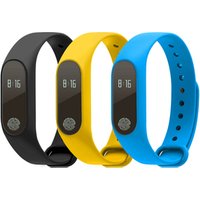
Popular heart rate monitoring sports fitness wearable technology smart bracelet M2 is suitable for men and women's sports
Alibaba UK
Table: Comparison of Popular Wearable Technologies
| Feature | Fitness Tracker | Smartwatch | Smart Clothing |
|---|---|---|---|
| Heart Rate Monitoring | Yes | Yes | Yes |
| GPS Tracking | Yes | Yes | Limited |
| Sleep Monitoring | Yes | Yes | Yes |
| Waterproof | Generally yes | Varies | Generally yes |
| Battery Life | Days to weeks | 1-3 days | Varies significantly |
| Compatibility | Apps for tracking data | Full smartphone integration | Limited to brand-specific apps |
| Verdict | Excellent for fitness enthusiasts | Versatile for everyday use & fitness | Best for serious athletes |
This table illustrates the strengths and weaknesses of various wearable technologies, enabling users to choose the best option that aligns with their fitness goals.
Analysis of Trends in Wearable Technology
As we progress through 2026, several trends in wearable technology are reshaping the fitness landscape. The integration of artificial intelligence (AI) is one powerful trend, enhancing the ability of wearables to analyse complex data patterns, offering not just regular metrics but also predictive insights about health trends.
A recent report from Les Numériques noted that AI-driven wearables can adapt to behavioural patterns, improving user engagement. These devices can provide tailored motivational messages or adjust future fitness goals based on reported performance. Users may discover, for example, that their fitness responds better to a morning workout regime rather than an evening one, tailored by the insights provided.
Additionally, social connectivity within wearable tech is growing. Users can connect with friends or join challenges via apps, significantly increasing engagement and adherence to fitness regimes. Social networks created through wearables provide a stronger motivational foundation, as friendly competition can foster better fitness outcomes.
Expert Opinions on Wearable Tech
> 💡 Expert Opinion: As someone who integrates wearable technology into my training routines, I believe these devices profoundly impact motivation and accountability. The metrics I gather not only show progress but offer insights into recovery, allowing me to avoid burnout and injuries effectively. Adapting workouts based on real-time data ensures optimal performance.
FAQ
What are the most popular types of wearable technology for fitness?
The most popular types include fitness trackers, smartwatches, and smart clothing, each offering unique features tailored to various fitness needs.
How accurate are wearable fitness trackers?
While many fitness trackers provide reasonably accurate data, variability can occur based on the type of activity and the quality of the device. Generally, the more advanced the tech, the better the accuracy.
Can wearable technology help with weight loss?
Yes, wearables can aid in weight loss by tracking caloric expenditure and encouraging physical activity, which can help users maintain a healthier lifestyle.
Are smartwatches more useful than fitness trackers?
It depends on individual goals. Smartwatches offer broader functionality outside of fitness, while fitness trackers focus primarily on health metrics.
Glossary
| Term | Definition |
|---|---|
| Wearable Technology | Electronic devices worn on the body that track health metrics and activity. |
| Fitness Tracker | A device that monitors fitness-related metrics such as heart rate and steps. |
| Smartwatch | A wearable device that combines a fitness tracker with smart functionalities, typically including notifications, music control, and apps. |
Checklist Before Buying a Wearable
- [ ] Determine your fitness goals (e.g., weight loss, build muscle).
- [ ] Compare features offered by various devices.
- [ ] Check battery life suitability for your schedule.
- [ ] Assess the compatibility with your smartphone.
- [ ] Read user reviews for insights on usability and accuracy.
📺 For further learning:
To delve deeper into wearable technology and fitness, watch videos like *
Recommended products
Selected by our experts
Popular heart rate monitoring sports fitness wearable technology smart bracelet M2 is suitable for men and women's sports
Alibaba UK