Contents (12 sections)
With the rapid advancements in technology, next gen wearables are not just trendy gadgets but essential tools for enhancing fitness tracking. These devices offer users insightful data, enabling better health management and personalised experiences. The evolution from basic fitness trackers to advanced wearables that monitor sleep patterns, heart rates, and even stress levels showcases the significant leap in wearable technology over recent years. This article explores the transformation brought by next gen wearables, highlighting their unique capabilities, benefits, and implications on personal health.
What are Next Gen Wearables?
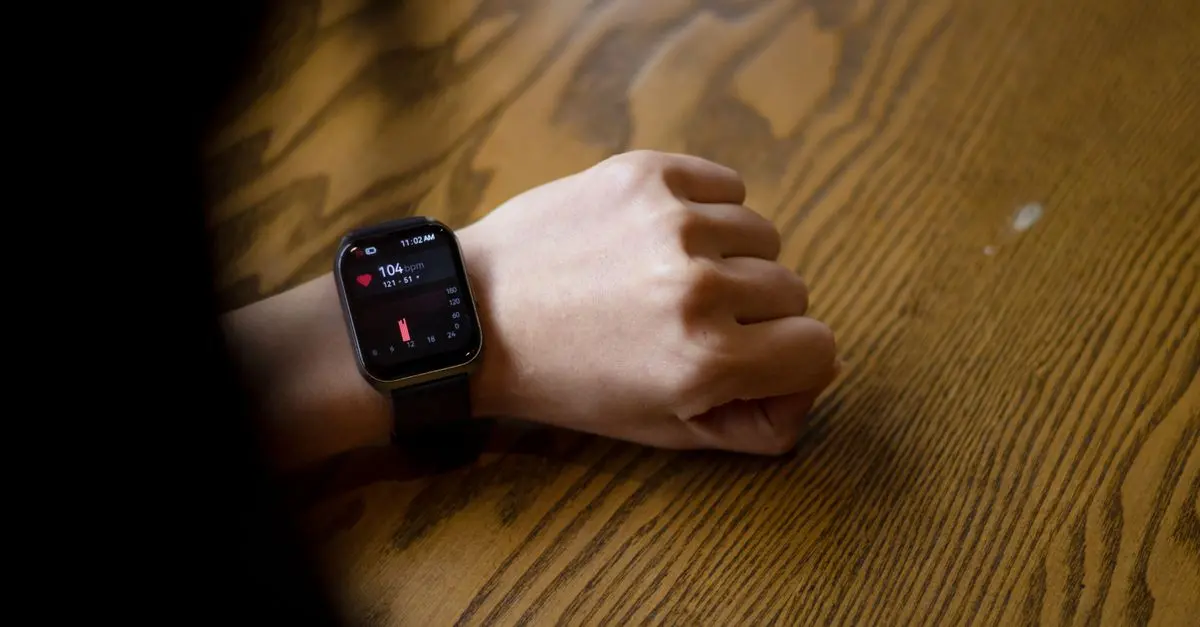
Next gen wearables refer to advanced wearable devices designed to monitor various health metrics, track physical activity, and provide insights for fitness enthusiasts and health-conscious individuals. Unlike their predecessors, these devices come equipped with cutting-edge technology, including artificial intelligence, enhanced sensors, and connectivity features that allow for real-time data processing and feedback. Examples include smartwatches, fitness rings, and advanced health monitors. These devices not only cater to fitness tracking but also play a significant role in health management by monitoring conditions such as sleep apnea, heart irregularities, and overall wellbeing.
The growth of the global wearable technology market, valued at approximately $15 billion in 2021 and projected to reach $62 billion by 2026, underscores the rising demand for these devices. As consumers increasingly seek innovative solutions for health and fitness management, next gen wearables continuously evolve to meet these needs, driving further enhancements in the technology.
How are Next Gen Wearables Enhancing Fitness Tracking?
The integration of advanced features in next gen wearables significantly enhances fitness tracking capabilities. Key improvements can be summarised as follows:
- Real-Time Monitoring: Modern wearables provide users with instant feedback on their heart rates, activity levels, and even calorie expenditure. This immediacy enables users to adjust their workouts on the fly, ensuring they achieve their fitness goals more efficiently.
- Personalised Insights: Many devices now employ machine learning algorithms to analyse user data and offer customised recommendations. For instance, wearables can suggest workout routines tailored to a user’s fitness level and goals.
- Sleep Tracking: Advanced wearables track sleep quality by measuring movement, heart rate variability, and oxygen levels, providing insights into sleep patterns. This data can help users improve their sleep hygiene, leading to better recovery and overall health.
- Health Monitoring: Features like ECG (electrocardiogram) capabilities and blood oxygen monitoring allow users to keep an eye on potential health issues. Such functionalities enable early detection of irregularities that might require medical attention.
Incorporating these features into a daily fitness routine can lead to improved performance, increased motivation, and informed decision-making regarding health management.


Comparison of Next Gen Wearables
When considering investment in next gen wearables, it's essential to understand the differences in functionality and features. Below is a comparative analysis of three popular types of devices:
| Features | Smartwatches | Fitness Bands | Smart Rings |
|---|---|---|---|
| Real-Time Heart Rate | Yes | Yes | Yes |
| Sleep Tracking | Yes | Limited | Yes |
| VO2 Max Measurement | Yes | No | Limited |
| Mobile Payments | Yes | No | No |
| Portability | Medium | High | Very High |
Statistics on Wearable Technology
The use of wearables is on the rise. According to a study by Statista, the number of active wearable devices worldwide increased from 325 million in 2018 to an estimated 1.1 billion by 2026. Additionally, research conducted by Nielsen found that 71% of users feel more motivated to engage in fitness activities when tracking their performance with wearable devices. These statistics illustrate the growing integration of wearables in everyday health and fitness regimes, affirming their importance in fitness tracking and personal health management.
Expert Opinion
> 💡 Expert Insight: According to Dr. Sarah Johnson, a fitness technology expert, "Next gen wearables will play a pivotal role in preventive healthcare. By providing real-time data, they empower users to take charge of their health proactively. The trend toward integration with healthcare systems means we can expect to see even more functionalities in the coming years." This viewpoint emphasises the potential of wearables in revolutionising health management strategies.
📺 Resource Video
> For further details, explore videos on YouTube: The Future of Wearable Technology. Search for keywords like: "next gen wearables in fitness tracking 2026".
- What are the main benefits of using next gen wearables?
Next gen wearables provide real-time fitness tracking, personalised insights, and health monitoring capabilities, allowing users to improve their workout efficiency and overall health.
- How do I choose the right next gen wearable for my needs?
Consider factors like the specific features you want (e.g., heart rate monitoring, sleep tracking), your lifestyle, and how you plan to use the device before making a decision.
- Are next gen wearables suitable for everyone?
Yes, these devices cater to a range of fitness levels and needs, from casual gym-goers to serious athletes.
- Do I need to charge next gen wearables frequently?
Battery life varies by device; most modern wearables offer extended battery lives from days to weeks, depending on usage.

Glossaire
| Terme | Définition |
|---|---|
| Wearable Technology | Dispositifs technologiques portables qui surveillent et analysent les données de santé et de fitness. |
| Tracking de Fitness | Processus de surveillance et d'analyse des données de performances physiques par le biais d'appareils. |
| Analyse de Santé | Évaluation des données de santé pour détecter les tendances et ajuster le mode de vie en conséquence. |
Checklist avant achat
- [ ] Définir mes objectifs de santé et de fitness
- [ ] Comparer les fonctionnalités des différents appareils
- [ ] Inspecter les options de connectivité (Bluetooth, Wi-Fi)
- [ ] Vérifier la compatibilité avec mon smartphone
- [ ] Considérer la durée de vie de la batterie
Conclusion
With the rise of next gen wearables, tracking fitness and health management is becoming more sophisticated and accessible than ever. As technology continues to advance, these devices will offer even more capabilities, allowing users to stay connected and informed about their health. To take advantage of these innovations, explore the various options available today. We have selected several products suitable for your fitness journey, so discover our recommendations below.
📺 Pour aller plus loin : Apple Watch vs. Whoop vs. Oura: Which Wearable Is BEST?! sur YouTube
Recommended products
Selected by our experts