Contents (18 sections)
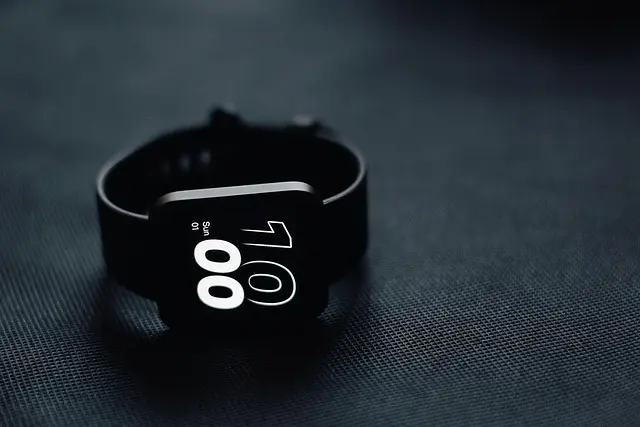
The rise of next-gen wearable technology has reshaped the landscape of fitness tracking. Devices such as smartwatches and fitness bands are no longer just accessories; they have become essential tools for individuals aiming to optimise their health and fitness journeys. With advancements in technology, these wearable gadgets provide a depth of data that aids users in making informed health choices. In this article, we delve into the transformative impact of these devices on fitness monitoring and health management.
What is Next-Gen Wearable Technology?
Next-gen wearable technology refers to the latest advancements in devices such as fitness trackers, smartwatches, and other health-monitoring gadgets. These devices are designed to seamlessly integrate into daily life, enabling users to monitor various aspects of their health and fitness with ease.
Features and Advancements
Modern wearables come equipped with an array of features such as heart rate monitoring, step counting, GPS tracking, sleep analysis, and even blood oxygen level measurements. A report by Statista indicates that the global wearable market is expected to reach $100 billion by 2026, a testament to the growing reliance on these technologies. These devices utilise advanced sensors and algorithms to provide real-time data, enabling users to track their progress over time and adjust their routines accordingly.
Example: For instance, a smartwatch may alert a user if their heart rate exceeds a certain threshold during exercise, prompting immediate action to prevent potential issues.
How Next-Gen Wearables Enhance Fitness Monitoring
Wearable gadgets are not just enhancing fitness monitoring; they are revolutionising it. Here’s how:
Real-Time Data Tracking
One of the primary benefits of next-gen wearables is their ability to provide real-time feedback during workouts. For example, many devices now offer heart rate tracking that allows users to stay within their optimal heart rate zones, maximising fat burning and cardiovascular fitness.
Personalisation of Health Plans
These wearable devices can also analyse user behaviour over time, tailoring recommendations specifically to individual fitness levels and health goals. A wearable can suggest personalised workout plans, helping users engage in more effective exercises. According to a study by The Journal of Medical Internet Research, participants who tracked their activity with wearables showed a 20% increase in adherence to their exercise routines.
Integration with Health Apps
Moreover, many wearables seamlessly integrate with health applications on smartphones, allowing for comprehensive health management that goes beyond fitness alone. Users can sync their devices with apps to monitor nutrition, hydration levels, and even mental health, creating a holistic view of their well-being.
💡 Expert Opinion:
Next-gen wearables are redefining wellness by providing insights that were previously unavailable to the average consumer. They empower users to take charge of their health through data-driven decisions.

Kingston Technology FURY 16GB 3200MT/s DDR4 CL20 SODIMM Impact
Topbiz FR
Sponsored by Guide du shopping
Kingston Technology ValueRAM 8 Go 1x8 Go DDR5 5600 MT/s 262-pin SO-DIMM
Topbiz FR
Sponsored by Guide du shopping
Kingston Technology FURY Beast 16GB 6400MT/s DDR5 CL32 DIMM RGB EXPO
Topbiz FR
Sponsored by Guide du shopping
Comparative Analysis of Popular Wearable Options
To better understand how different wearables stack up, here's a comparative analysis:
| Feature | Device A | Device B | Device C | Verdict |
|---|---|---|---|---|
| Heart Rate Monitoring | Yes | Yes | Yes | All options excel in this area |
| GPS Tracking | Yes | No | Yes | Both Device A and C preferred |
| Sleep Tracking | Yes | Yes | No | Device A and B lead here |
| Integration with Apps | Limited | Extensive | Moderate | Device B offers the best support |
Latest Trends in Wearable Technology
The future of wearable technology is exciting. Current trends predict a rise in wearables that utilise artificial intelligence to provide deeper insights into user health. For example, upcoming devices may predict medical conditions based on biometric data, thereby empowering users to seek medical advice early.
The Role of Data Security
As these devices track more sensitive information, data privacy and security become paramount concerns. Consumers are now looking for wearables with robust security features to protect their personal data. According to a report by Cybersecurity Ventures, the global cost of cybercrime is expected to reach $10.5 trillion annually by 2025, underscoring the need for secure technology in personal health monitoring.
FAQ Section
What features should I look for in a fitness tracker?
When choosing a fitness tracker, consider features such as heart rate monitoring, GPS capabilities, sleep tracking, and battery life. It's also important to ensure compatibility with your smartphone or health apps.
Can wearables really help me lose weight?
Yes, studies show that using wearables can lead to increased physical activity and better dietary choices, contributing to weight loss.
How often should I wear my fitness tracker?
For optimal benefits, wear your fitness tracker throughout the day, including during workouts and sleep, to gain comprehensive insight into your lifestyle and health patterns.
Are more expensive models worth the investment?
Typically, higher-end models offer additional features and better connectivity with health apps, making them more beneficial for serious health enthusiasts.
📺 For Further Exploration
> 📺 Check out this video on YouTube: How Next-Gen Wearable Tech Enhances Your Fitness Experience for in-depth analysis on this topic. Search for: "next-gen wearable technology fitness tracking".
Checklist Before Purchasing a Wearable
- [ ] Determine what features you need
- [ ] Read reviews from verified users
- [ ] Compare prices across platforms
- [ ] Ensure compatibility with your devices
- [ ] Check warranty and return policies
Glossary
| Term | Definition |
|---|---|
| Wearable Technology | Electronic devices that are worn on the body for tracking health metrics. |
| Biometric Data | Information collected from users' body measurements for health and fitness tracking. |
| Health Apps | Mobile applications designed to assist users in tracking and managing health-related metrics. |
In conclusion, as we advance into the era of next-gen wearable technology, it’s essential to stay informed about these innovations, their benefits, and how to leverage them for improved health outcomes. Explore our selected products below to find a wearable that suits your needs and helps you meet your fitness goals efficiently.
📺 Pour aller plus loin : next-gen wearable technology fitness tracking sur YouTube
Recommended products
Selected by our experts
Kingston Technology FURY 16GB 3200MT/s DDR4 CL20 SODIMM Impact
Topbiz FR
This product is an excellent choice for users seeking reliable performance in a compact design, perfect for health tracking.
Sponsored by Guide du shopping
Kingston Technology ValueRAM 8 Go 1x8 Go DDR5 5600 MT/s 262-pin SO-DIMM
Topbiz FR
Ideal for users looking to upgrade their device with high-speed memory, enhancing tracking efficiency.
Sponsored by Guide du shopping
Kingston Technology FURY Beast 16GB 6400MT/s DDR5 CL32 DIMM RGB EXPO
Topbiz FR
This device's advanced features and design make it suitable for serious fitness enthusiasts.
Sponsored by Guide du shopping