Contents (15 sections)
Augmented reality (AR) is increasingly redefining the concept of everyday gadgets, integrating advanced technology seamlessly into our daily lives. Unlike virtual reality, which immerses users in a completely digital environment, augmented reality enhances the real world by overlaying digital information on physical surroundings. This intersection of the digital and real worlds is making everyday tasks more intuitive and engaging, leading to the proliferation of AR gadgets in various sectors including health, gaming, and education.
What Are Augmented Reality Gadgets?
Augmented reality gadgets are devices that use AR technology to enhance the user experience by integrating digital elements into the physical world. Examples include AR glasses, smartphones equipped with AR capabilities, and VR headsets that support AR features. According to a report by Statista, AR technology is expected to be valued at around $198 billion by 2025, indicating its rapid adoption across various industries.
These gadgets often come equipped with sensors, cameras, and processors that allow them to interpret and interact with their environment. They provide users with a unique experience, such as viewing digital furniture in one's home before purchasing or enhancing learning experiences through interactive educational tools. The use of AR in everyday gadgets creates opportunities for enhanced productivity and immersive entertainment, making them essential tools for modern living.
How Augmented Reality is Changing Daily Functionality
The integration of augmented reality into everyday gadgets significantly improves functionality. For instance, AR glasses allow users to receive notifications, access navigation, and view real-time data without needing to check their smartphones. A great example is smart AR glasses, which enable hands-free calls or navigation prompts while keeping the user's hands free for other tasks.
Moreover, in health and fitness, AR technologies are used to provide deeper insights into physical performance. Wearable AR devices can overlay metrics like heart rate or calorie count onto the user’s field of vision during workouts, allowing for real-time performance tracking.
AR also enhances educational tools, transforming the learning process. Imagine students using AR devices to explore detailed 3D models of the human body or the solar system, creating a more interactive and engaging learning environment. According to a study by Gartner, 70% of higher education institutions have integrated AR technologies into their teaching methodologies.

Top Selling AR Helmet IOS Android Cellphone Used VR 3D Video VR Augmented Reality Glasses AR BOX 2.0
Alibaba UK
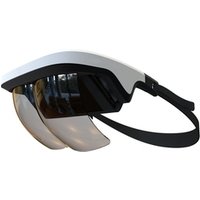
New Design Smart AR Glasses 3D Video Augmented Reality VR Glasses AR Headset for 3D Videos and Games
Alibaba UK
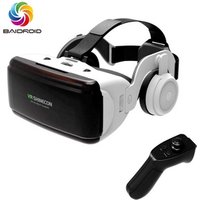
3D VR glasses for game controller virtual reality home gaming movie 3D video glasses optional gamepad
Alibaba UK
Comparison of AR Gadgets
To understand the various options available in the market, it's useful to compare popular augmented reality gadgets. Below is a comparison table featuring examples from the market:
| Gadget Type | Features | Best For | Price Range |
|---|---|---|---|
| Smart AR Glasses | Hands-free notifications, navigation | Everyday use | £45 - £999 |
| AR Headsets | Immersive gameplay, training tools | Gaming, Education | £129 - £999 |
| Mobile AR Apps | Interactive experiences on smartphones | General audience | Free - £10 |
| AR Projectors | Projecting 3D models in real-time | Design, Events | £200 - £2000 |
Statistical Analysis of AR Technology Trends
The adoption of augmented reality is accelerating, driven by consumer demand and advancements in technology. According to Digi-Capital, the AR market is projected to reach $108 billion by 2024, facilitated by mobile devices and smart glasses. Moreover, the growing interest in gaming and immersive experiences is leading to broader use cases, including marketing and design.
In 2026, a notable trend is the rise of AR shopping experiences, where customers can virtually try on clothes or makeup through their devices. This method is not only convenient but has been shown to increase customer engagement and reduce return rates. Furthermore, Accenture reported that 40% of consumers are ready to pay more for a better shopping experience incorporating AR.
Expert Insights on the Future of AR Gadgets
> 💡 Expert Opinion: Dr. Emily Thompson, an AR researcher, states, "The transition of augmented reality from niche applications to mainstream gadgets signifies a monumental shift in how we interact with technology. The potential of AR goes beyond gaming and entertainment; it’s reshaping industries like healthcare, education, and retail, paving the way for smarter living through technology."
As AR technology continues to evolve, the integration with AI and machine learning is also anticipated to enhance user experiences even further. Augmented reality will likely become more personalised, with gadgets adapting to individual preferences and environments, making technology even more compelling and user-centric.
What is an augmented reality gadget?
An augmented reality gadget is a device that uses AR technology to integrate digital information into the physical world, such as AR glasses or smartphones with AR capabilities.
How are augmented reality gadgets used in everyday life?
AR gadgets are used in various applications, including navigation, gaming, education, and fitness by providing interactive experiences that enhance usability and engagement.
What are the benefits of using AR gadgets?
The benefits of AR gadgets include improved productivity, enhanced learning experiences, and increased engagement in gaming and shopping, among other applications.
Are there any challenges in adopting AR technology?
Challenges include the cost of devices, the need for advanced software, and user acceptance, as some may find AR technology disorienting or intrusive.
📺 Resource Video
To learn more: Explaining Augmented Reality Gadgets, a detailed overview of how AR is reshaping the tech landscape. Search YouTube for: "AR gadgets in 2026".
Glossary
| Terme | Définition |
|---|---|
| Augmented Reality | A technology that overlays digital information onto the real world. |
| AR Gadgets | Devices that utilise AR technology, such as smart glasses and mobile apps. |
| Wearable Technology | Smart electronic devices worn on the body, like fitness trackers and AR glasses. |
Checklist before purchase
- [ ] Determine your primary use for the gadget.
- [ ] Check compatibility with other devices.
- [ ] Read user reviews and expert opinions.
- [ ] Compare prices across different retailers.
- [ ] Look for warranty and support options.
Conclusion
As augmented reality technology continues to advance, its integration into everyday gadgets is set to revolutionise how we interact with the world around us. From enhancing productivity to making learning more engaging, the benefits of AR are vast. We have selected several products suited for those interested in embracing the AR experience in daily life. Explore our recommendations below to find the right gadget for you.
📺 Pour aller plus loin : AR gadgets in 2026 sur YouTube
Recommended products
Selected by our experts
Top Selling AR Helmet IOS Android Cellphone Used VR 3D Video VR Augmented Reality Glasses AR BOX 2.0
Alibaba UK
These AR glasses are perfect for anyone looking to enhance their everyday experience with hands-free access to information.
New Design Smart AR Glasses 3D Video Augmented Reality VR Glasses AR Headset for 3D Videos and Games
Alibaba UK
Smart AR glasses that provide immersive experiences for 3D videos and gaming, making them ideal for technology enthusiasts.
3D VR glasses for game controller virtual reality home gaming movie 3D video glasses optional gamepad
Alibaba UK
These VR glasses can enhance your gaming experience, perfect for those interested in augmented reality and gaming.