Contents (11 sections)
In recent years, next generation smart wearables have emerged as one of the most transformative technologies, profoundly changing how we interact with our health and environments. From smartwatches that monitor physiological data to fitness trackers that help optimise our workouts, these gadgets offer an array of functionalities tailored to boost our daily experiences. As we move further into 2026, the capabilities and applications of these devices are expanding rapidly, presenting unique opportunities for consumers and businesses alike. Let’s explore the major trends defining the landscape of smart wearables this year.
Trend 1: Health Monitoring and Personalisation
One of the most significant advancements in the realm of smart wearables is the emphasis on health monitoring tools and personalised insights. Devices are not just tracking steps anymore; they are equipped with sensors capable of monitoring heart rates, blood oxygen saturation, sleep patterns, and even stress levels. According to a study by the Consumer Technology Association**, 60% of consumers are now using wearables for health tracking. This represents a marked increase from previous years, reflecting a growing awareness of the importance of health and fitness among consumers.
For instance, smartwatches can now deliver real-time notifications and personalised recommendations based on data collected over time. This data-driven approach enables users to fine-tune their health routines effectively, leading to improved physical and mental well-being. Furthermore, many devices now offer integration with healthcare systems, allowing users to share vital health data with medical professionals seamlessly. The convergence of technology and healthcare in this manner lays the ground for significant improvements in preventative care.
Trend 2: Enhanced Connectivity with Smart Homes
The integration of smart wearables with home automation systems signifies another leap in wearable technology. Wearables now serve as a control hub, allowing users to manage various smart home devices such as lights, thermostats, and security systems directly from their wrists. This interconnectedness is vital as consumers increasingly seek seamless, user-friendly experiences with their gadgets.
For example, studies reveal that 70% of smart home device owners prefer connectivity with wearable devices for ease of access. This interaction streamlines daily tasks and enhances energy efficiency and security at home, creating a comprehensive ecosystem that promotes a more convenient lifestyle. As the Internet of Things (IoT) continues to grow, wearable technology will play an integral role in maintaining this interconnected future.


TQQ for iPad 10th Generation Case with Keyboard (10.9"" 2022) iPad Keyboard Cas
onbuy.com

Trend 3: Sustainability and Eco-Responsibility
In 2026, consumers are more socially and environmentally conscious than ever before. As a result, smart wearable manufacturers are increasingly focusing on sustainable materials and production methods. For instance, brands are investing in biodegradable, recycled materials and strive for energy-efficient production processes.
According to market research from Statista, over 55% of consumers indicate they are more likely to purchase products from brands committed to sustainability. This shift not only impacts how brands market their products but also shapes their design and functionality. Eco-friendly wearables resonate with consumers who are eager to protect the environment while benefiting from cutting-edge technology. Furthermore, as regulatory frameworks tighten around environmental impacts, companies that adopt sustainable practices will likely lead the way in consumer trust and loyalty.
Trend 4: Artificial Intelligence and Machine Learning
The incorporation of Artificial Intelligence (AI) and Machine Learning (ML) into smart wearables has made these devices smarter than ever. As AI technology continues to evolve, it enables wearables to provide more accurate health predictions and behavioural insights. These devices can learn from users' behaviour, automate responses, and offer adaptive experiences tailored to individual needs.
For example, devices equipped with AI algorithms can analyse workout patterns and suggest changes to improve performance or reduce the risk of injury. Data from a recent survey by UFC-Que Choisir shows a 40% increase in consumer satisfaction related to wearables that provide tailored feedback, illustrating the demand for highly personal user experiences. By integrating AI and ML, manufacturers can ensure their products remain relevant and functional in a rapidly changing technological landscape.
Trend 5: Customisation and Design Evolution
As consumers are increasingly looking for wearables that not only perform well but also look stylish, brands are focusing on customisation and design evolution. This trend encompasses everything from aesthetic choices to the ability to personalise functionalities within the same device.
For instance, watches now feature interchangeable bands, custom watch faces, and user-selectable functions that cater to personal style and preferences. Statista reported that 45% of wearable devices sold in 2026 offered substantial customisation options, highlighting its importance for modern consumers. Customisation not only allows users to express their individuality but also fosters emotional connections to their devices, encouraging regular use.
Trend 6: Data Privacy and Security Concerns
As wearable technology continues to grow in popularity, so do concerns surrounding data privacy and security. Consumers store vast amounts of personal health data on their devices, leading to heightened sensitivity regarding who has access to their information and how it is used.
A report released by GSMA indicates that 75% of consumers express concerns over data privacy when using smart wearables. Manufacturers are responding by implementing robust data protection measures and ensuring that their privacy policies are transparent. In 2026, consumers are prioritising brands that ensure secure data practices and build trusted relationships with their users, thereby fostering loyalty and brand reputation.


Checklist avant achat
- [ ] Définir mes objectifs de santé
- [ ] Comparer plusieurs modèles de wearables
- [ ] Vérifier l'intégration avec d'autres appareils smart
- [ ] Analyser les politiques de confidentialité des données
- [ ] Considérer des choix durables dans les marques
Glossaire
| Terme | Définition |
|---|
| Smart Wearables | Dispositifs électroniques portés sur le corps, intégrant des fonctionnalités numériques pour le suivi de la santé ou d'autres applications.
| IoT (Internet of Things) | Réseau d'appareils physiques connectés à Internet, permettant de collecter et d'échanger des données.
| AI (Intelligence Artificielle) | Simulation de l'intelligence humaine par des systèmes informatiques, utilisée pour améliorer la prise de décision et personnaliser les expériences utilisateurs.
📺 Ressource Vidéo
> Pour aller plus loin: Découvrez les meilleurs smart wearables de 2026 et leurs innovations. Recherchez sur YouTube : 'next generation smart wearables 2026'
- Quels sont les avantages des wearables de nouvelle génération ?
Les wearables de nouvelle génération offrent des fonctionnalités avancées de suivi de la santé et intègrent l'IA pour une expérience personnalisée.
- Comment choisir un smart wearable ?
Il est important de définir vos objectifs de santé et de comparaison entre les modèles en fonction des fonctionnalités nécessaires pour votre routine quotidienne.
- Les wearables peuvent-ils réellement améliorer ma santé ?
Oui, en fournissant des données en temps réel, ils aident à suivre les progrès et à identifier les motifs de comportement pour des améliorations.
- Les données de mon wearable sont-elles sécurisées ?
De nombreuses marques investissent dans des mesures de sécurité robustes pour protéger les données utilisateur, alors vérifiez toujours les politiques de confidentialité.
Nous avons sélectionné plusieurs produits adaptés pour vous permettre de rester à la pointe de la technologie des wearables. Découvrez nos recommandations ci-dessous.
📺 Pour aller plus loin : next generation smart wearables 2026 sur YouTube
Recommended products
Selected by our experts


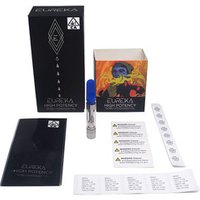
The latest generation of atomizers. Eureka cartridge Brand new packaging, feel. Bring you a different experience
Alibaba UK

Hot Sale The second generation 360 Degree Full Protector Magnetic For Samsung S9/S9 Plus
Alibaba UK
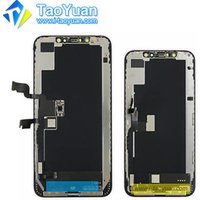
New generation LCD screen for iphone X lcd screen replacement oled , full lcd digitizer with senor camera for iphone X
Alibaba UK
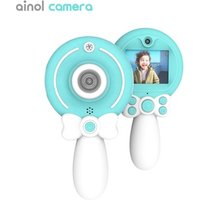
Factory private model global patent new generation HD 2.0 children digital camera
Alibaba UK