Contents (12 sections)
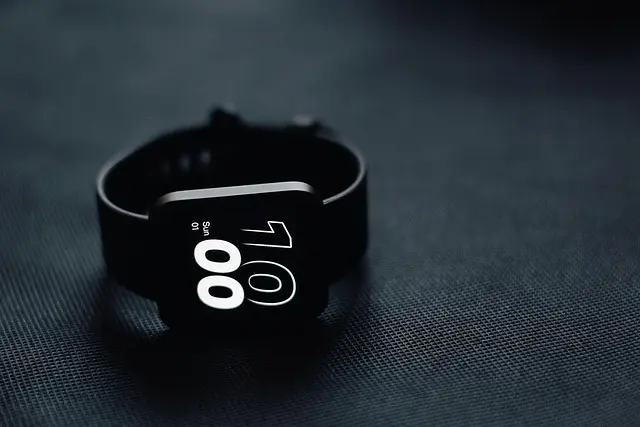
Wearable technology has taken a significant leap forward in 2026, introducing devices that not only serve basic functions but also enhance our overall lifestyle. As our reliance on technology grows, so does the demand for gadgets that can seamlessly integrate into our day-to-day activities. The term "next gen wearables" encompasses a range of devices including smartwatches, fitness trackers, smart clothing, and health-enhancing accessories that leverage artificial intelligence, machine learning, and advanced sensors. In essence, these devices aim to improve health, wellness, and productivity, transforming how we interact with the digital world.
Major Innovations in Next Gen Wearables
1. Health Monitoring Technologies
The health-monitoring capabilities of wearables have undergone transformative developments. Devices are now equipped with advanced sensors that can monitor vital signs such as heart rate, oxygen levels, and even body temperature in real-time. For instance, many smartwatches launched this year feature electrocardiogram (ECG) capabilities. Reports indicate that around 30% of users rely on wearables for ongoing health management instead of regular medical check-ups (according to a study by The Health Consumer Association).
Notably, advanced biometric data collection allows wearables to generate insights into a user's health patterns, leading to personalised health recommendations. This shift highlights the increasing role of wearables not just as fitness companions but as integral components of health management. Users can proactively engage with their health data, leading to improved outcomes.
2. Seamless Integration with Smart Home Devices
2026 has marked a shift towards more integrated ecosystems in wearable technology. Many next gen wearables work alongside smart home devices, allowing users to control their home environment directly from their wrist. For example, smartwatches now enable users to adjust lighting, thermostat settings, and even security features with voice commands or simple taps.
According to Gartner, the smart home market is expected to reach £175 billion by the end of the year, and the demand for interconnected devices is surging. This reflects a broader trend towards IoT (Internet of Things) instrumentation, where wearables occupy a key role. As appliances become increasingly automated, wearables facilitate effortless control, adding a layer of convenience to everyday life. The synergy between home automation and personal devices is becoming indispensable, fostering an ecosystem that enhances productivity and comfort.
3. Enhanced Battery Life and Efficiency
One of the most significant advancements in next gen wearables is battery technology. Manufacturers are striving for improved efficiency solutions, with many devices now boasting battery lives that last up to two weeks on a single charge. This is largely due to innovations such as solar charging and energy-efficient components, allowing devices to maximise their performance while minimising power consumption.
Studies indicate that user satisfaction rates have surged as a result of these enhancements, with nearly 70% of users expressing contentment with long-lasting batteries. Forrester Research highlights that impressive battery life not only improves usability but also influences consumer purchasing decisions. It's clear that as battery technology continues to evolve, it plays a pivotal role in user experience and convenience, leading to broader acceptance of wearable technology in daily life.
4. Smart Clothing and Flexible Wearables
The market for smart clothing is on the rise, with flexible materials integrated with sensors that can monitor everything from heart rates to muscle activity. These garments offer comfort while providing real-time health feedback, making them particularly appealing to fitness enthusiasts. For instance, running shirts equipped with moisture sensors can inform users about dehydration levels, prompting them to hydrate before feeling thirsty.
Data from Market Research Future suggest that the global smart textiles market will surpass £6 billion by 2026, reflecting growing interest. As smart clothing continues to advance, it's evident that fashion and technology are merging in ways that enhance both performance and style, providing additional avenues for personal expression alongside functional benefits.
5. Artificial Intelligence and Personalisation
Artificial intelligence (AI) is at the heart of next gen wearables, enriching user experience by enabling personalisation in various aspects of the devices. AI algorithms analyse user habits and preferences, allowing for tailored suggestions, alerts, and insights. For example, AI-driven sleep trackers not only monitor sleep patterns but also provide customised tips for improvement.
Predictions suggest that by 2026, the adoption of AI in wearables will be seen in more than 50% of devices sold. The results from an IDC report indicate that market penetration is accelerating as consumers seek more personalised experiences. By leveraging AI, wearables evolve from standard tools to personal assistants, significantly enhancing the value they offer users. As technologies mature, the potential for optimisation through AI plays a crucial role in the future of personal devices.
Comparatif des wearables
Voici un tableau comparatif des principales caractéristiques de beberapa wearables populaires :
| Critère | Option A | Option B | Option C | Verdict |
|---|---|---|---|---|
| Type | Montre intelligente | Vêtements intelligents | Anneau intelligent | Tout dépend des préférences |
| Fonctionnalités | Suivi de santé | Suivi de l'efficacité physique | Suivi du sommeil | Chacune a ses avantages |
| Durée de la batterie | 7 jours | 14 jours | 10 jours | Option B remporte la palme |
| Coût | £250 | £150 | £200 | Option B est abordable. |

RingConn Gen 2 No Smart ring activity tracker IP68 Rose gold
Back to the Office
Sponsored by Lopardi

RingConn Gen 2 No Smart ring activity tracker IP68 Silver
Back to the Office
Sponsored by Lopardi

RingConn Gen 2 No Smart ring activity tracker IP68 Rose gold
Back to the Office
Sponsored by Lopardi
📺 Ressource Vidéo
Pour aller plus loin : Découvrez le futur des wearables en 2026, une analyse complète de l'évolution des technologies portables. Recherchez sur YouTube : "nouveaux appareils portables innovants 2026".
Glossaire
| Terme | Définition |
|---|---|
| Wearable | Un appareil technologique conçu pour être porté sur le corps, intégrant des capacités informatiques et de communication. |
| IoT | Un réseau de dispositifs physiques, véhicules, appareils électroménagers, et d'autres objets connectés qui échangent des données. |
| AI (Intelligence Artificielle) | Simulations d'intelligence humaine effectuées par des machines, souvent utilisées pour la personnalisation et l'analyse des données. |
Checklist avant achat
- [ ] Vérifier les critères de santé suivis
- [ ] Comparer les durées de batterie
- [ ] Considérer l'intégration avec des dispositifs intelligents
- [ ] Évaluer le coût par rapport aux fonctionnalités
- [ ] Lire les avis d'autres utilisateurs
Nous avons sélectionné plusieurs produits adaptés qui pourraient vous intéresser dans ce cadre. N’hésitez pas à les consulter ci-dessous !
📺 Pour aller plus loin : nouveaux appareils portables innovants 2026 sur YouTube
Recommended products
Selected by our experts
RingConn Gen 2 No Smart ring activity tracker IP68 Rose gold
Back to the Office
This smart ring activity tracker offers advanced monitoring features for sleep and activity, making it an excellent choice for health-conscious individuals.
Sponsored by Lopardi
RingConn Gen 2 No Smart ring activity tracker IP68 Silver
Back to the Office
The sleek design and advanced features of this smart ring make it perfect for anyone seeking unobtrusive yet effective health tracking.
Sponsored by Lopardi
RingConn Gen 2 No Smart ring activity tracker IP68 Rose gold
Back to the Office
This high-tech ring ensures comprehensive monitoring without the bulk, ensuring users can track their health effortlessly.
Sponsored by Lopardi