Contents (11 sections)
The realm of smart home gadgets is rapidly evolving, with significant advancements projected to emerge in the coming years. This article delves into the key trends likely to define the landscape of smart home technology in 2026.
1. AI-Driven Smart Home Ecosystems
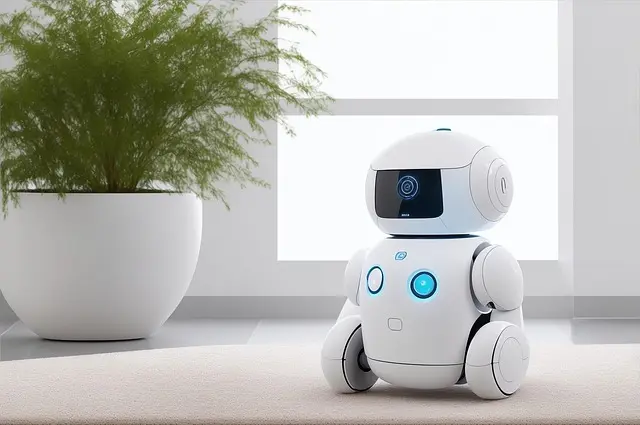
Artificial Intelligence (AI) stands as a cornerstone in the development of next-generation smart home gadgets. In 2026, we expect AI to fully integrate with various devices, enabling a cohesive smart home ecosystem that learns from user behaviours. For instance, AI can optimise energy consumption by learning your schedule and habits, thereby automatically adjusting heating and lighting to suit your preferences. According to a report by Gartner, AI will manage 75% of the interactions in smart homes, making them more intuitive and user-friendly. With predictive capabilities, these devices can suggest maintenance, diagnose issues before they escalate, and even provide reminders for routine tasks.
Analysis: The shift towards AI-driven systems signifies a move towards personalization and efficiency in smart homes, offering convenience while reducing energy waste. This trend is fundamentally altering how consumers interact with technology in their daily lives.
2. Energy Efficiency and Sustainability
As environmental concerns continue to rise, the urgency for energy-efficient smart home gadgets has never been more critical. By 2026, we will see a greater emphasis on sustainability, with products designed to use less energy and promote greener living. Smart thermostats and lights that adapt to environmental changes will not only save energy but also lower household bills. According to the UK Government, smart technologies can collectively lead to a 20% reduction in energy consumption in homes. Additionally, devices like solar panels integrated with smart meters will empower users to monitor their energy production and consumption in real-time, facilitating eco-friendly choices.
Analysis: The focus on sustainability reflects a broader societal shift towards environmentally conscious product design, indicating that consumer demand is favouring gadgets that contribute positively to the planet.
3. Enhanced Home Security Solutions
The safety and security of homes are paramount, and 2026 will see revolutionary advancements in smart security gadgets. Innovations such as AI-powered surveillance cameras and smart lock technologies are becoming increasingly sophisticated, featuring facial recognition and remote access capabilities. These devices not only enhance security but also provide homeowners with peace of mind through real-time alerts to potential threats. The global smart security market is expected to grow from £17 billion in 2021 to over £32 billion by 2026, according to MarketsandMarkets. This indicates a rapid adoption of smart security solutions motivated by the desire for greater safety at home.
Analysis: As technology advances, the notion of home security will evolve from simple alarm systems to intelligent solutions capable of predictive analytics and remote monitoring, thus reshaping how we perceive safety in our living environments.
4. Voice-Controlled Technology
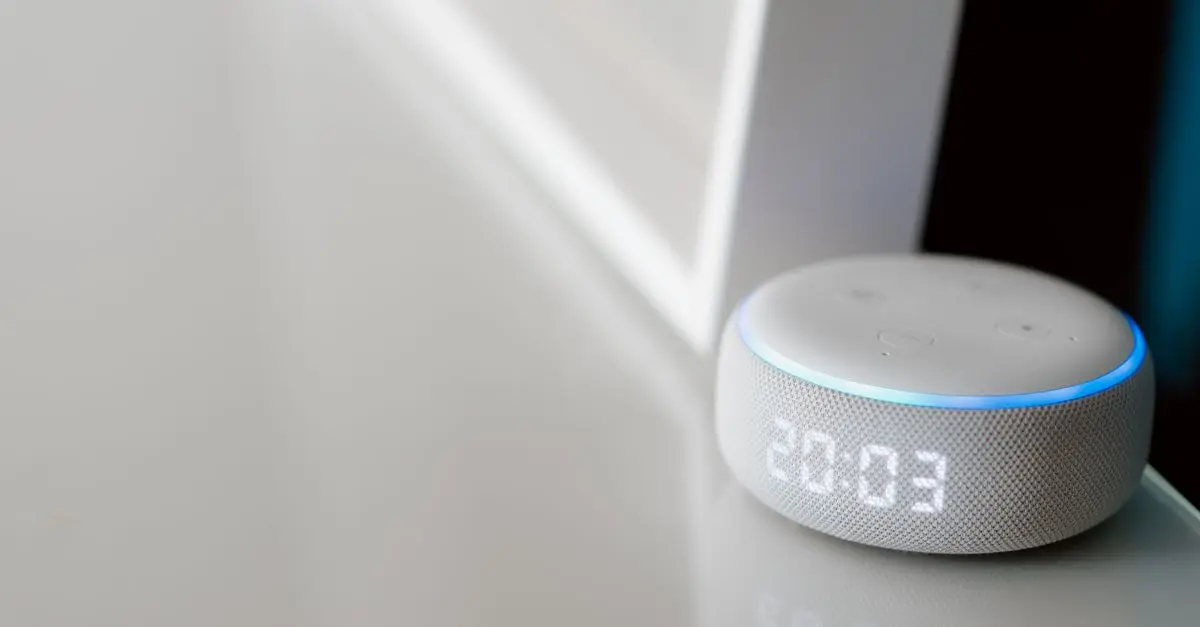
By 2026, voice control technology will undoubtedly be at the forefront of user interfaces in smart home gadgets. Systems like smart speakers will facilitate a touchless experience, allowing users to control their home environment with simple voice commands. This trend is supported by data from Statista, which states that by 2026, it is anticipated that over 35% of households in the UK will utilise voice-activated technology in their daily lives. Smart devices will translate user commands into actions, from adjusting temperatures to managing multimedia systems seamlessly.
Analysis: The growth of voice-controlled technology represents a significant shift towards accessible living environments, encouraging broader demographics to embrace technology without the barriers of complex interfaces.
5. Interoperability and Standardisation
Interoperability among devices is a crucial trend as consumers increasingly demand seamless integration across multiple brands and platforms. In 2026, we expect to see the implementation of more unified standards, allowing an array of devices to communicate effectively. The Matter protocol, which aims to improve compatibility among smart devices, is expected to play a significant role in achieving this. As a result, homeowners will benefit from greater flexibility and choice, finding it easier to incorporate new gadgets into their existing frameworks without compatibility concerns.
Analysis: The move towards standardisation underscores the industry's commitment to enhancing user experience, facilitating simpler and more effective smart home implementations for the average consumer.
6. Health Monitoring Technologies
In 2026, the integration of health monitoring capabilities into smart home gadgets will gain prominence. Devices such as smart scales and health-tracking wearables will connect to central home systems, providing users with health data and trends. With the NHS advocating for preventive healthcare, smart gadgets that alert users about weight changes, sleep patterns, or even irregular heart rates will pave the way for proactive health management, potentially leading to lower healthcare costs.
Analysis: This trend is likely to resonate strongly with an ageing population and health-conscious consumers alike, who are eager to monitor their well-being effortlessly at home.
📺 Resource Video
For further exploration: Discovering Smart Home Gadgets in 2026 — A comprehensive overview of how upcoming technologies will reshape our living spaces. Search on YouTube: "smart home gadgets trends 2026".
🧠 Quick Quiz: What is the most significant trend in smart home gadgets?
- A) Enhanced Home Security
- B) AI Integration
- C) Voice-Controlled Technology
Answer: B — AI Integration is set to redefine how homes operate, improving overall user experience.


Glossary
| Terme | Définition |
|---|---|
| AI | Intelligence artificielle, utilisée pour rendre les gadgets plus intuitifs et adaptatifs. |
| Interopérabilité | Capacité des dispositifs de différents fabricants à interagir efficacement. |
| Durabilité | Pratiques et produits qui minimisent l'impact environnemental. |
Checklist avant achat
- [ ] Vérifier l'intégration AI
- [ ] Considérer l'efficacité énergétique
- [ ] Évaluer les options de sécurité
- [ ] Rechercher la compatibilité avec d'autres appareils
- [ ] Vérifier les fonctionnalités de santé si nécessaires
In conclusion, the landscape of smart home gadgets in 2026 promises to be more integrated, efficient, and user-centric. With these trends paving the way for an advanced connected living experience, it’s an exciting time for consumers looking to enhance their home environments.
Recommended Products:
- - - - - - ---
📺 Pour aller plus loin : smart home gadgets trends 2026 sur YouTube
Recommended products
Selected by our experts


Mystery Box Deal - Gifts, Gadgets, Electronics and more - up to 8 Gadgets Per Box!
Boxed2me