Contents (8 sections)
As we dive into 2026, smart home gadgets are more than just a luxury; they have become essential. The integration of technology into our daily lives continues to evolve, making our living spaces not only smarter but more efficient. This article explores the prevailing trends in smart home technology that are shaping our future.
Understanding Smart Home Gadgets
Smart home gadgets refer to devices that connect to the internet, allowing remote management and monitoring through smartphones or voice commands. These devices range from smart bulbs and thermostats to advanced security systems. The importance of these gadgets lies in their ability to improve energy efficiency, enhance security, and increase convenience. A survey by Statista revealed that the smart home market is projected to reach £174 billion by 2026, highlighting the growing investment consumers are making in transforming their homes into automated environments.
The need for smart home gadgets also reflects changing lifestyles. With an increasing number of remote workers, the home environment needs to cater to productivity and comfort. For instance, smart thermostats can learn your schedule, optimising heating and cooling to save on energy bills. Furthermore, voice-controlled systems allow for hands-free operation of various devices, catering to accessibility needs as well. Understanding these gadgets is crucial for embracing a modern lifestyle that values efficiency and convenience.
Trends Defining the Future
1. Enhanced Security Systems
One of the most significant trends in 2026 is the rise of advanced security solutions. Security systems now incorporate AI and machine learning to identify unusual patterns. According to a report from Gartner, the global security system market for smart homes is expected to grow by 25% annually as homeowners increasingly seek protection against intrusions.
For instance, modern camera systems not only offer real-time video but also provide facial recognition and alert users about potential threats. The integration of smart locks adds another layer of security, enabling homeowners to control access remotely and monitor who enters their premises. As households continue to recognise the importance of security, the demand for these gadgets will only rise.
2. Sustainability and Energy Efficiency
With rising energy costs and environmental concerns, eco-friendly devices are gaining traction. Smart home gadgets that monitor energy usage and suggest ways to reduce consumption are becoming ubiquitous. For example, smart thermostats can adjust the temperature based on actual usage, ultimately resulting in 20-30% savings on energy bills, according to reports by UFC-Que Choisir.
Moreover, solar-powered devices are on the rise, highlighting the consumer shift towards sustainable living. Devices that can optimise solar energy usage not only lower utility costs but also help in reducing the carbon footprint. This trend emphasises the responsibility consumers and manufacturers share in creating an environmentally friendly future.
3. Smart Lighting Innovations
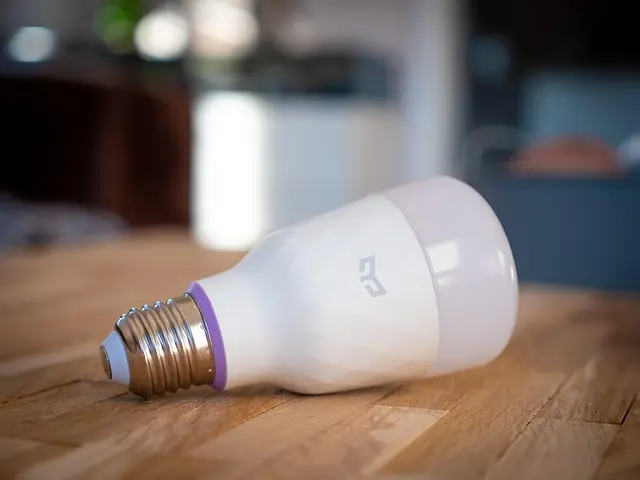
The evolution of smart lighting is transforming the way we interact with spaces. From adjusting brightness levels to changing colours according to mood or time of day, smart lighting systems are enhancing aesthetics while promoting mental well-being. According to 60 Millions de Consommateurs, ambient lighting that alters throughout the day can enhance productivity and comfort in working spaces.
Moreover, smart lighting can be programmed to follow routines or respond to the presence of individuals in a room. This innovation not only provides illumination but also facilitates energy savings by ensuring lights are only used when necessary.
4. Integration with Health Tech
As health and wellness become top priorities, smart home gadgets are increasingly focusing on improving inhabitants' well-being. Devices such as air quality monitors and smart beds are essential in ensuring a healthy living environment. According to a study by Mayo Clinic, homes equipped with such devices see a reduction in issues related to allergies and sleep disorders.
In 2026, we can expect to see more gadgets that monitor health metrics integrated into the smart home ecosystem. For instance, smart speakers can now remind users to take medications or prompt them to stand after prolonged periods of inactivity. This intersection of technology and health is a promising avenue for improving quality of life.
Comparative Overview of Smart Home Gadgets
| Gadget Type | Key Feature | Benefits | Market Growth Projection |
|---|---|---|---|
| Smart Security Systems | AI surveillance and alerts | Enhanced safety | 25% annually |
| Smart Thermostats | Energy usage learning | Cost efficiency | 20-30% savings |
| Smart Lighting | Colour adjustment | Mood enhancement | 15% annually |
| Health Devices | Air quality and health tracking | Improved well-being | 30% annually |
FAQs about Smart Home Gadgets
Q1: What are the key benefits of smart home gadgets?
A1: Smart home gadgets enhance convenience, improve energy efficiency, and elevate security in homes, making life easier for occupants.
Q2: How do smart thermostats save money?
A2: They learn user habits and adjust heating and cooling automatically, which can lead to significant energy savings.
Q3: Are smart home devices easy to install?
A3: Most devices are designed with user-friendliness in mind and can often be set up without professional help.
Q4: What is the future of smart home technology?
A4: The future will likely focus on increased integration with health tech and sustainability, making homes smarter and safer.
Conclusion
As we look to the future, it’s clear that smart home gadgets are not just a trend; they represent a significant shift in how we interact with our living spaces. By embracing these technologies, homeowners can enhance not only their security and energy efficiency but also their overall quality of life.
For those interested in upgrading their homes, we have selected several products that can seamlessly integrate into your smart home ecosystem. Discover our recommendations below.
Checklist before purchase
- [ ] Research product compatibility
- [ ] Confirm installation requirements
- [ ] Evaluate energy-saving capabilities
- [ ] Consider long-term maintenance needs
- [ ] Look into user reviews
Glossary
| Term | Definition |
|---|
| Smart Home | A residence that uses internet-connected devices to manage systems like lighting, security, and heating.
| IoT | Internet of Things; a network of devices that communicate and interact over the internet.
| AI | Artificial Intelligence; technology enabling machines to simulate human intelligence and behaviours.
📺 For more insights: Check out the latest in smart home gadgets and how they can transform your space. Search YouTube for “2026 smart home gadget reviews”.
📺 Pour aller plus loin : 2026 smart home gadget reviews sur YouTube
Recommended products
Selected by our experts


Mystery Box Deal - Gifts, Gadgets, Electronics and more - up to 8 Gadgets Per Box!
Boxed2me

Mystery Box Deal - Gifts, Gadgets, Electronics and more - up to 7 Gadgets Per Box!
Boxed2me