Contents (11 sections)
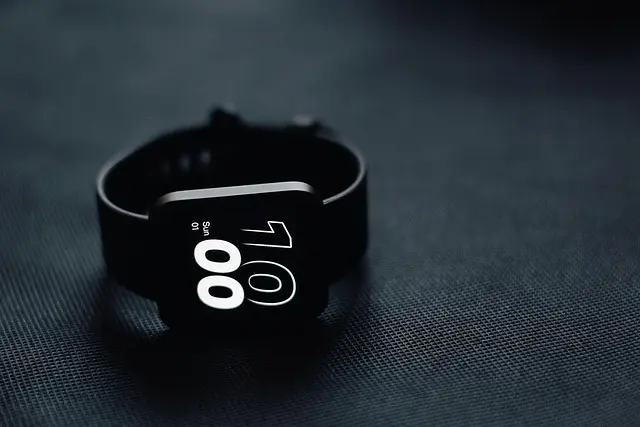
Smart wearable technology has revolutionised the way we interact with devices and monitor our health. From smartwatches to fitness trackers, these gadgets are designed to seamlessly integrate into our daily lives. As technology continues to advance, understanding the benefits of smart wearables is essential for making informed choices that enhance our quality of life. In this article, we delve into the various advantages smart wearable technology brings to everyday users.
What is Smart Wearable Technology?
Smart wearable technology refers to electronic devices that can be worn on the body, often equipped with sensors, internet connectivity, and advanced computing capabilities. These gadgets can track various metrics such as physical activity, heart rate, and even sleep patterns. Popular examples include fitness bands, smartwatches, and health-monitoring rings.
According to a report by Mordor Intelligence, the global wearable technology market is set to reach £60 billion by 2025, highlighting its increasing relevance in modern lifestyles. The adoption of smart wearables has surged due to their ability to empower users with real-time data, making it easier to make healthier decisions. They are not only practical tools but can also enhance personal productivity and overall wellness.
Enhancing Health and Fitness
One of the primary advantages of smart wearable technology is its capability to monitor health metrics effectively. Devices equipped with heart rate monitors can help users understand their cardiovascular health. For instance, fitness trackers can provide feedback on activity levels, encouraging users to maintain or increase their physical activity. A study published in the Journal of Medical Internet Research suggests that wearable fitness devices can improve physical activity levels by up to 30%.
Moreover, features such as step counting, calorie tracking, and sleep monitoring provide comprehensive insights. Users can set personal fitness goals and receive notifications and reminders to help them stay on track. For those who may not have access to traditional health monitoring facilities, wearables provide an affordable alternative for maintaining health data.
Streamlining Daily Activities
Smart wearables can make everyday tasks more convenient. For instance, many smartwatches allow users to receive notifications from their smartphones, enabling them to stay updated without constantly checking their devices. This can significantly reduce distractions in work environments, ultimately boosting productivity.
Additionally, with integrated GPS, users can track their routes during outdoor activities such as running or cycling. This feature is particularly beneficial for individuals who enjoy outdoor sports, as it provides a safer way to navigate routes without needing to carry a separate device. Furthermore, smart wearables are often compatible with home automation systems, allowing users to control various aspects of their homes, such as lights and temperature, directly from their wearable devices.
Comparative Advantages of Smart Wearable Technology
When evaluating smart wearable technology, it’s essential to understand the comparative advantages offered by different types of devices. Here’s a summary:
| Feature/Criteria | Smartwatches | Fitness Trackers | Smart Rings | Verdict |
|---|---|---|---|---|
| Health Monitoring | Heart rate, ECG, BP | Steps, calories, sleep | Heart rate, sleep | All provide valuable insights; choice depends on specific needs. |
| Battery Life | 1-2 days | Up to 7 days | 10-12 days | Smart rings excel in battery life. |
| Notifications | Extensive (calls, texts) | Minimal (fitness-related) | Limited notifications | Smartwatches lead here. |
| Size and Comfort | Bulky for some users | Sleek and lightweight | Very discreet | Smart rings for minimalism. |
Data-Driven Insights
The impact of smart wearable technology is underscored by significant statistics. A study conducted by ResearchAndMarkets indicated that 38% of UK adults own a smartwatch or fitness tracker, a testament to the growing reliance on these devices for daily health management. Furthermore, it was found that 65% of wearers reported improved fitness levels as a direct result of using their devices, demonstrating a clear link between wearable technology usage and healthier lifestyles.
In addition to health metrics, wearables are becoming powerful tools for data analytics. Businesses increasingly use them to gather insights into employee wellness and productivity trends. By analysing this data, companies can tailor wellness programs and improve overall workplace health environments.
Expert Opinions on Smart Wearable Technology
> 💡 Expert Opinion: According to Dr. Sarah Jones, a sports health consultant, "Smart wearables not only empower individuals by providing real-time data but also encourage accountability, which is crucial for achieving health and fitness goals. They create a personalised approach towards health management that can lead to sustainable lifestyle changes."
- What are the advantages of using smart wearable technology?
Smart wearables enhance personal health monitoring, support fitness goals, streamline daily tasks, and provide real-time data accessibility.
- Are smart wearables compatible with all smartphones?
Most smart wearables are compatible with both Android and iOS, but it is wise to check specific compatibility before purchase.
- How accurate are fitness trackers?
Generally reliable, but accuracy may vary by device and the specific health metric being monitored.
- Do smart wearables require internet connectivity?
Some features might require internet connectivity, but many can function independently without it.
Checklist before Purchase
- [ ] Determine your primary use (fitness, health monitoring, notifications).
- [ ] Research the battery life of different devices.
- [ ] Check compatibility with your smartphone brand.
- [ ] Read user reviews to gauge accuracy of metrics.
- [ ] Compare prices and features to find the best fit.
Glossary
| Term | Definition |
|---|---|
| Wearable Technology | Electronic devices worn on the body for monitoring various metrics. |
| Heart Rate Monitor | Device that tracks heartbeats per minute often integrated into smart wearables. |
| Fitness Tracker | A wearable device that monitors physical activity, such as steps taken and calories burned. |
📺 Resource Video
> 📺 For further information: A comprehensive guide to smart wearable technology, exploring various types and their functionalities. Search on YouTube: "smart wearable technology 2026 review".
In conclusion, smart wearable technology presents an array of benefits that can significantly enhance everyday life. Whether assisting with health monitoring, boosting fitness levels, or making daily tasks more manageable, the integration of these devices into our lives is becoming increasingly essential. To explore the best options, discover our recommended products below.
📺 Pour aller plus loin : smart wearable technology 2026 review sur YouTube
Recommended products
Selected by our experts
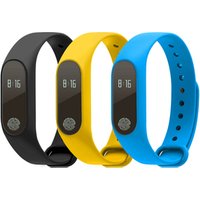
Popular heart rate monitoring sports fitness wearable technology smart bracelet M2 is suitable for men and women's sports
Alibaba UK
This smart bracelet is ideal for monitoring heart rates during sports activities, making it perfect for fitness enthusiasts.

RingConn Gen 2 No Smart ring activity tracker IP68 Rose gold
Back to the Office
The smart ring is an innovative option for those seeking a discreet yet efficient way to track health metrics.

RingConn Gen 2 No Smart ring activity tracker IP68 Silver
Back to the Office
This fitness tracker offers advanced sleep monitoring features, perfect for users looking to improve their sleep quality.