Contents (14 sections)
Introduction
Drone photography has transformed the way we capture the world. With drones becoming increasingly accessible, even beginners can take stunning aerial photographs. This guide will walk you through essential tips to help you start your drone photography journey.
Table of Contents
- Understand Your Drone
- Pre-Flight Preparation
- Finding the Perfect Location
- Mastering Camera Settings
- Framing and Composition
- Post-Processing Tips
- Legal Considerations
- Conclusion
1. Understand Your Drone
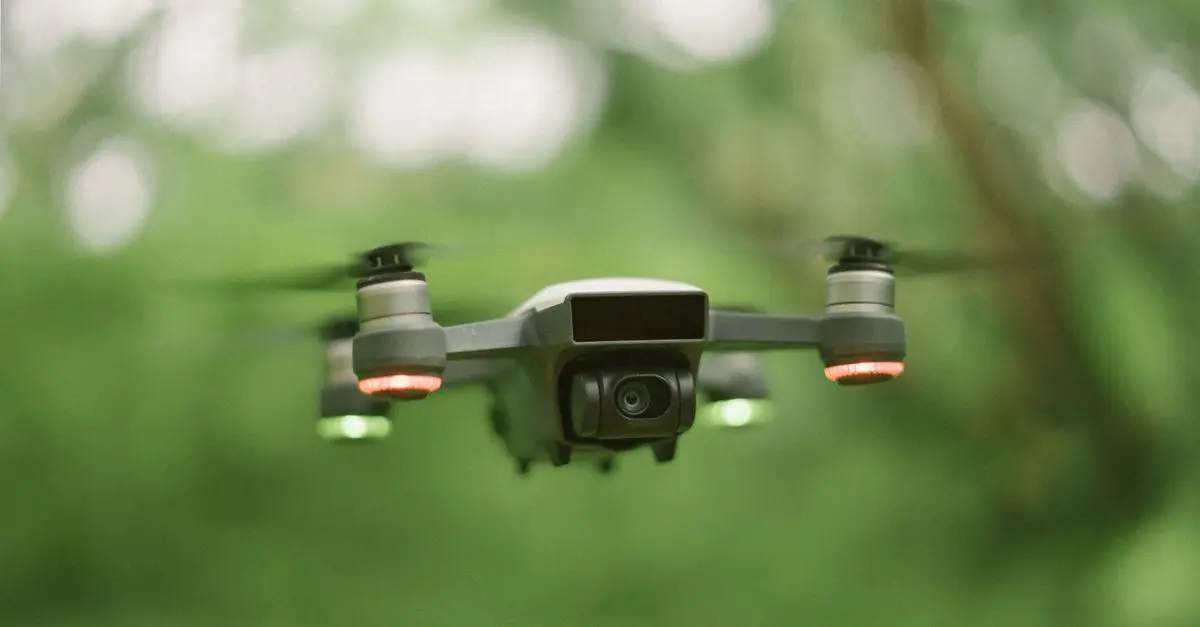
Before you take to the skies, it's crucial to familiarise yourself with your drone's capabilities. Different drones have varying flight times, camera resolutions, and stability features. DJI and Parrot are two well-known brands that offer great beginner options. Understanding the specifications and limitations of your equipment will help you plan your shots more effectively. Take time to practice using your drone's controls in open spaces. This reduces the risk of accidents and improves your handling skills.
2. Pre-Flight Preparation
Ensuring your drone is ready for flight is vital. Make sure batteries are fully charged and firmware is updated. Check the weather forecast; avoid windy days as they can make flight challenging and potentially damage your drone. A checklist before each flight should include battery levels, remote control connection, and camera settings. Many apps aid in pre-flight checks, providing information on restricted zones and flight permissions.
3. Finding the Perfect Location
Location is key to stunning drone photography. Look for areas with varied elevations, such as coastal landscapes or mountainous regions. Early mornings or late afternoons often provide the best lighting conditions, casting long shadows and enhancing textures. According to UFC-Que Choisir, planning your location based on weather and sunlight can impact the quality of your images. Respect privacy and local regulations when choosing your shooting location.
📺 Ressource Vidéo
> 📺 Pour aller plus loin : Drone Photography Basics, une analyse complète sur la capture des meilleures photos avec un drone. Recherchez sur YouTube : "drone photography for beginners guide".
4. Mastering Camera Settings
Experimenting with camera settings like ISO, shutter speed, and white balance is crucial to improving your photography. Beginners can benefit from starting with auto settings, gradually moving into manual settings as comfort increases. For landscape shots, a lower ISO is ideal for reducing noise. Les Numériques suggests using a shutter speed that reflects the movement speed of your drone, ensuring sharp and well-lit photographs.
5. Framing and Composition
Good composition can distinguish between an ordinary and an extraordinary photograph. Use the rule of thirds to balance your shots by aligning your main subject on or near the lines of a three-by-three grid. Leading lines, such as roads or rivers, naturally draw the viewer's eye into the frame. Practice varying your angles and perspectives to find unique takes on familiar scenes. Always preview images on your screen before capturing them.
6. Post-Processing Tips
Even the best raw photos can benefit significantly from post-processing. Adjust exposure, contrast, and colour balance to enhance your images. Software like Adobe Lightroom and Photoshop are popular choices among photographers. According to 60 Millions de Consommateurs, mastering basic editing skills can drastically improve your photographs, making mundane scenes appear more dynamic and vibrant.
7. Legal Considerations
Navigating the legal landscape of drone photography is paramount. Many countries require registration and operator licenses for drones. Familiarise yourself with airspace restrictions and privacy laws in your area to ensure compliance. Sites .gouv.fr provide up-to-date regulations for drone operators. Flying safely and responsibly not only protects you but also the public and their privacy.
8. Conclusion
Drone photography is a thrilling and rewarding form of art. By understanding your equipment, planning meticulously, and considering composition and editing, you can capture stunning images that rival those of professional photographers. Remember, continuous learning and practice are key to mastering the craft.
🧠 Quiz rapide :
> 🧠 Quiz rapide : What factor is crucial when choosing a drone photography location?
> - A) Population density
> - B) Weather conditions
> - C) Internet connection
> Réponse : B — Weather conditions significantly affect the quality of your drone photos.
Glossaire
| Terme | Définition |
|---|---|
| ISO | A measure of a camera's sensitivity to light. |
| Gimbal | A pivoted support that allows rotation of an object about a single axis. |
| ND Filter | Neutral Density filter to reduce the intensity of all wavelengths of light. |
Checklist avant départ
- [ ] Verify battery levels
- [ ] Check weather conditions
- [ ] Confirm location permissions
- [ ] Set appropriate camera settings
- [ ] Pack spare batteries and SD cards